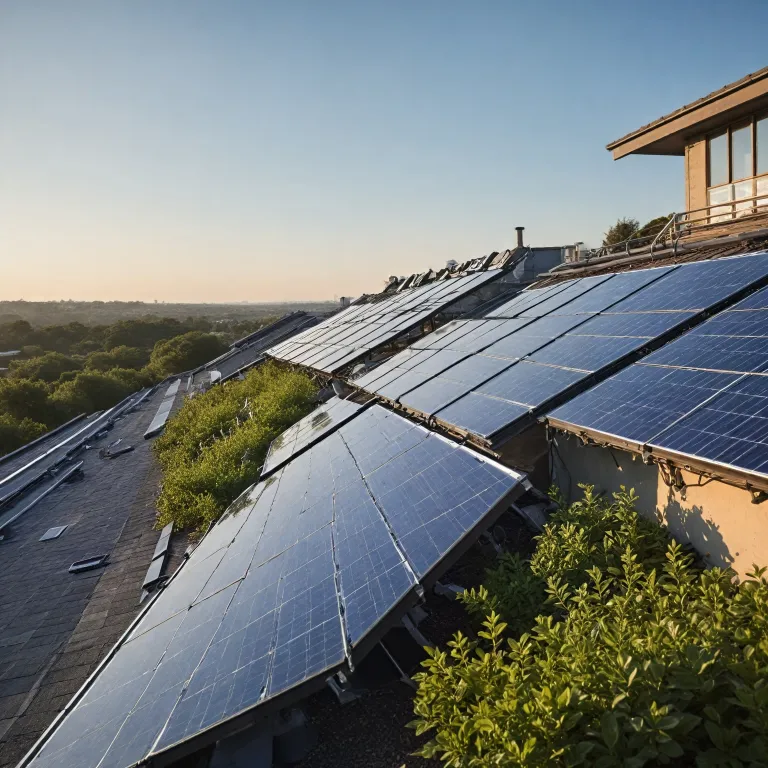
Strategic role of solar panel brackets in hotel ESG roadmaps
For hotel executives, the humble solar panel bracket is now a strategic asset. When a solar panel is correctly aligned through precise panel mounting, the hotel can save energy costs while strengthening its ESG narrative. In asset management terms, the right solar mounting system becomes a lever for long term value creation.
Solar panel brackets influence not only technical performance but also the perceived quality of the product in investor reviews. A robust mounting bracket set, with each bracket engineered for the specific roof structure, reduces operational risk and stabilises the current energy output of solar panels. This is why Solar Panel Manufacturers, Mounting System Suppliers, and Installation Contractors increasingly collaborate on integrated system design rather than isolated component sales.
For boards and compliance officers, the unit price of each solar panel bracket must be evaluated against lifecycle risk. A regular price that appears higher can still generate a better price save effect over time if mounting brackets reduce maintenance and incident costs. In markets where grid electricity prices are volatile, a well designed mount solar strategy on every metal roof or flat surface can materially improve the hotel’s risk profile.
From an ESG reporting perspective, the mounting solar approach should be documented as part of climate transition plans. Investors expect a clear view of how each solar panel, its mounting brackets, and the overall system contribute to decarbonisation targets. This requires that every product specification, from lightweight aluminum composition to aluminum corrosion resistance, is traceable and auditable.
Aligning solar panel brackets with compliance, safety, and governance
Compliance teams in hospitality must treat every solar panel installation as a regulated infrastructure project. The choice of mounting brackets, from corner bracket designs to adjustable tilt solutions, directly affects structural safety and regulatory conformity. When a panel mounting system fails, the reputational damage can outweigh any initial price save achieved during procurement.
Governance frameworks should therefore integrate technical criteria for solar mounting into investment approval processes. Policies can specify that only lightweight aluminum or corrosion resistant alloys are acceptable for any mounting bracket installed on a hotel roof. This approach aligns with the trend toward integration of lightweight, durable materials in mounting brackets observed across the global market.
Health and safety audits must verify that each solar panel bracket set respects manufacturer guidance on the number of brackets per panel. Industry data indicates that two to four brackets per panel are typically required, depending on panel size, weight, and environmental conditions. For hotels in coastal or high wind regions, additional mounting brackets or reinforced tilt mount systems may be necessary to protect both guests and staff.
To embed these practices, many groups now link their ESG hotel standards to detailed technical specifications for mounting solar systems. A dedicated policy can reference best practices from sustainable hotel ESG standards, ensuring that every solar panel, every mount, and every bracket is part of a documented risk management system. For boards, this creates a clear line of sight between capital expenditure on solar panels and the governance structures that safeguard long term performance.
Technical choices: materials, mounting typologies, and hotel architecture
Hotel architecture strongly shapes the optimal configuration of solar panel brackets and mounting systems. A heritage property with a complex roof will require a different mount solar strategy than a contemporary resort with a large flat surface. Asset managers must therefore align each solar panel installation with both architectural constraints and ESG objectives.
On pitched roofs, especially those with metal roof coverings, corner bracket solutions in lightweight aluminum can minimise structural impact. These brackets reduce aluminum corrosion risks when combined with appropriate coatings, extending the life of the solar panels and the mounting brackets themselves. On flat roofs, adjustable tilt systems allow each solar panel to reach a better angle, improving yield and supporting the hotel’s decarbonisation KPIs.
Ground mounted solar panels near resort complexes can use robust mounting solar frames that tolerate higher wind loads. In such cases, the unit price of each mounting bracket is offset by reduced structural risk and more stable current output from the solar panels. For off grid lodges or eco retreats, a flexible tilt mount system can help maintain performance throughout seasonal changes in solar exposure.
Brand specific solutions such as renogy solar or eco worthy kits often include a predefined bracket set and mount configuration. ESG and compliance teams should still verify that each product, from the smallest bracket to the full mounting system, meets local building codes and internal standards. Detailed technical reviews, ideally supported by independent auditors, ensure that every solar panel and its mounting brackets contribute to both sustainability and regulatory conformity.
From CAPEX to ESG value: pricing, TCO, and investor expectations
For investors and asset managers, the debate around solar panel brackets is fundamentally a discussion about total cost of ownership. The regular price of a high quality mounting bracket may appear higher than a basic alternative, yet the long term price save can be substantial. Reduced maintenance, fewer incidents, and longer system life all contribute to a superior financial and ESG outcome.
When evaluating a solar panel project, stakeholders should analyse the unit price of each component, including every bracket and mount. A transparent bill of materials allows comparison between different mounting brackets, tilt mount options, and panel mounting layouts. This level of detail supports more accurate modelling of cash flows, especially when hotels operate in markets with unstable grid tariffs.
Investor reviews increasingly focus on the resilience of solar panels and their mounting systems under climate stress. A robust mounting solar design, using corrosion resistant lightweight aluminum and well engineered corner bracket solutions, can materially reduce physical climate risk. This is particularly relevant for coastal resorts, island properties, and mountain hotels exposed to snow loads or strong winds.
In ESG reporting, hotels should present a clear view of how solar panel brackets contribute to risk mitigation and value creation. Metrics can include avoided roof repairs, reduced downtime of solar panels, and improved stability of current energy output. By linking these indicators to the original CAPEX decision on mounting brackets and mounts, boards can demonstrate disciplined stewardship of both financial and environmental capital.
Operational excellence: installation, maintenance, and performance monitoring
Operational teams in hotels play a decisive role in the real world performance of solar panel brackets. Even the best mounting brackets will underperform if installation quality is poor or maintenance is irregular. This is why collaboration between Solar Panel Manufacturers, Mounting System Suppliers, and Installation Contractors is critical for hospitality projects.
During installation, contractors must respect the specified number of brackets per panel and the recommended mount spacing. Incorrect panel mounting can create stress points that accelerate aluminum corrosion or damage the roof structure. For metal roof applications, using compatible corner bracket designs and appropriate sealants is essential to avoid leaks and long term structural issues.
Once the solar panels are operational, hotels should implement a monitoring system that tracks current output and flags anomalies. A sudden drop in performance may indicate a problem with a mounting bracket, a tilt mount misalignment, or damage to the roof interface. Regular inspections of each bracket set, especially on exposed flat surface installations, help maintain both safety and energy yield.
Training facility teams to recognise early signs of wear on mounting solar components is an important part of ESG risk management. Simple checklists can include visual inspection of lightweight aluminum brackets, verification of adjustable tilt mechanisms, and confirmation that every mount remains securely fixed. By integrating these routines into standard operating procedures, hotels ensure that their solar panels and mounting brackets continue to support both sustainability goals and guest safety.
Integrating solar panel brackets into holistic hotel ESG strategies
For general managers and ESG leaders, solar panel brackets should be framed as part of a broader sustainability and compliance ecosystem. Each solar panel, each mounting bracket, and each mount solar configuration contributes to the hotel’s climate strategy, resilience planning, and stakeholder communication. This systems view is increasingly expected by regulators, investors, and guests.
In ESG materiality assessments, the reliability of solar panels and their mounting brackets can be linked to climate risk, operational continuity, and guest safety. Hotels that operate extensive solar mounting infrastructure on every roof and flat surface should explicitly map these assets in their risk registers. This allows compliance teams to align maintenance schedules, insurance coverage, and emergency procedures with the technical realities of the mounting solar systems.
Stakeholder engagement can also highlight the role of high quality mounting brackets in delivering credible sustainability outcomes. When guests or corporate clients request information on renewable energy use, hotels can present a transparent view of their solar panels, panel mounting designs, and bracket specifications. This level of detail reinforces trust and demonstrates that sustainability claims are backed by robust engineering choices.
Finally, collaboration with public institutions and auditors can help standardise expectations around solar panel brackets in hospitality. Shared guidelines on acceptable materials, such as lightweight aluminum with proven aluminum corrosion resistance, and on minimum bracket densities per panel can raise the baseline across the sector. As more hotels adopt advanced mounting brackets, adjustable tilt systems, and resilient corner bracket solutions, the industry moves closer to a genuinely low carbon and compliant future.
Key quantitative insights on solar panel brackets in the global market
- Global market share of fixed brackets is estimated at 55 % of total solar mounting solutions.
- Global market share of tracking brackets represents approximately 45 % of installed mounting systems.
- Projected market growth for solar mounting and bracket systems is valued at around 30 billion USD over the coming decade.
Frequently asked questions about solar panel mounting brackets in hotels
What are the main types of solar panel mounting brackets?
The main types include roof mounted, ground mounted, pole mounted, and adjustable tilt brackets. In hotel applications, roof mounted and adjustable tilt solutions are the most common, especially on metal roof and flat surface structures. Ground mounted systems are often used for resorts with available land adjacent to buildings.
Which materials are commonly used for solar panel brackets?
Common materials include aluminum alloys, hot dip galvanised steel, magnesium aluminum zinc alloys, and stainless steel. For hotels, lightweight aluminum is particularly attractive because it reduces structural load while offering good resistance to aluminum corrosion. Stainless steel components are often used in high stress areas or coastal environments where corrosion risk is elevated.
How many mounting brackets are typically needed per solar panel?
Typically, two to four brackets per panel are used, depending on panel size, weight, and environmental conditions. Larger or heavier solar panels, or installations in high wind zones, may require additional mounting brackets or reinforced mount configurations. Compliance with manufacturer guidance and local building codes is essential to ensure safety and performance.
Why are adjustable tilt brackets relevant for hotel solar installations?
Adjustable tilt brackets allow hotels to optimise the angle of solar panels throughout the year. This can increase energy yield, especially in locations with significant seasonal variation in solar exposure. For flat roof properties, adjustable tilt systems also help manage shading and improve overall system efficiency.
How do solar panel brackets influence ESG reporting for hotels?
Solar panel brackets affect both the reliability and longevity of renewable energy assets, which are central to climate and energy KPIs. High quality mounting brackets reduce operational risk, maintenance costs, and potential safety incidents, all of which are relevant to ESG disclosures. By documenting bracket specifications, materials, and maintenance practices, hotels can provide more robust and credible sustainability reporting.