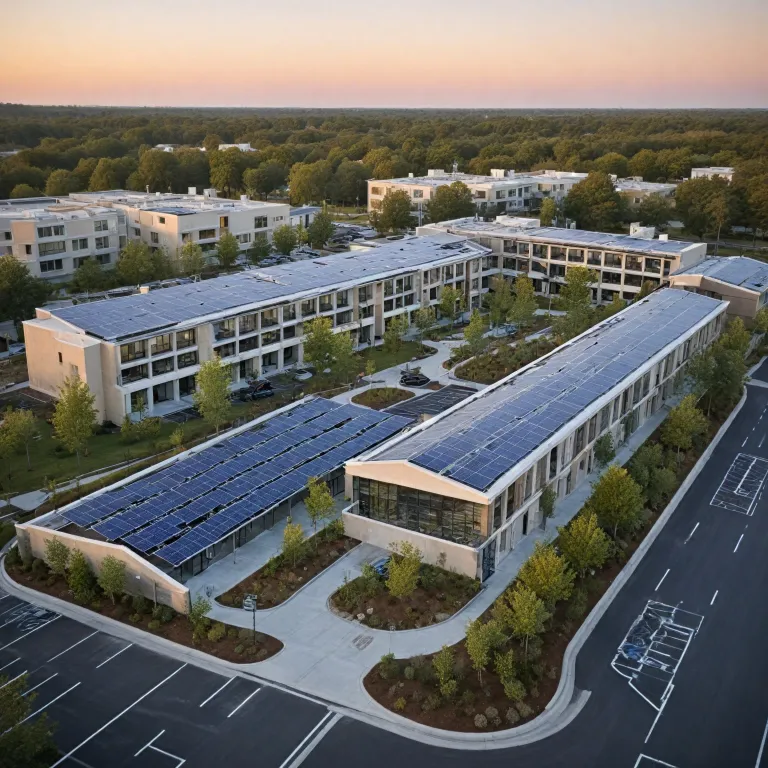
Hybrid solar architectures as a new ESG asset class for hotels
For hotel executives, a hybrid solar system is no longer a technical gadget but a strategic infrastructure decision. A hybrid solar system combines solar panels with battery storage and remains connected to the electrical grid, allowing for energy storage and grid interaction. This architecture links the solar panel array, the hybrid inverter, the battery storage and the electricity grid into one controllable power system that can be audited and financed.
In practice, the hotel’s roofs and façades host solar panels that feed direct current into an inverter, which converts it into alternating current for hotel operations. A dedicated solar inverter or hybrid inverter then arbitrates between solar energy, batteries and the grid solar connection, ensuring that the system delivers stable electricity even during peak demand. Because these hybrid systems are grid tied, they can export surplus solar power back to the electricity grid or import power when solar production and batteries are insufficient.
For asset managers and investors, the hybrid solar architecture becomes a tangible ESG asset with measurable performance indicators. The solar system and associated batteries can be valued based on expected energy savings, resilience benefits and the remaining lifespan of panels and lithium battery units. As one expert summary states, “A hybrid solar system combines solar panels with battery storage and remains connected to the electrical grid, allowing for energy storage and grid interaction.”
Hotel groups can structure these hybrid solar investments at portfolio level, aggregating multiple solar systems across properties into a single decarbonisation program. This allows Directions générales to negotiate better price conditions for each solar kit, inverter and battery, while standardising technical specifications and compliance documentation. The result is a coherent hybrid system strategy that supports both corporate climate targets and regulatory expectations.
From carbon footprint to compliance: integrating hybrid solar into ESG frameworks
Regulatory pressure on hotels increasingly focuses on energy, carbon and the resilience of critical systems. A well designed hybrid solar system directly addresses these expectations by reducing emissions, stabilising electricity supply and improving transparency on energy flows. Because the system connects solar panels, batteries and the electricity grid, it generates auditable data that can be integrated into ESG reporting systems.
Compliance officers can map each component of the hybrid system to specific regulatory requirements and voluntary standards. The solar energy produced by panels, the electricity imported from the grid and the charge or discharge of batteries can be tracked in kilowatt hours with time stamped precision. This enables robust reporting on Scope 2 emissions, while the hybrid inverter and charge controller logs provide evidence of system performance and maintenance.
For RSE and ESG managers, hybrid solar solutions also support climate risk management and business continuity. During grid outages, the battery storage and solar power combination can maintain essential hotel loads, from emergency lighting to critical IT systems. This resilience aspect is increasingly scrutinised by insurers and public institutions, which view hybrid systems as a way to reduce systemic risk in tourism destinations.
Strategic planning should also consider how panel configurations influence ESG outcomes and technical performance. Guidance on how series or parallel solar panel arrays reshape ESG strategies in hotels can help align engineering choices with sustainability objectives and compliance criteria. By embedding hybrid solar and grid tied architectures into formal ESG policies, hotel groups transform technical projects into verifiable commitments that withstand investor and auditor scrutiny.
Financial materiality, payback and the true price of hybrid solar in hotels
For investors and asset managers, the key question is not whether hybrid solar systems work, but whether they create durable financial value. The price of a hotel scale hybrid solar installation depends on the number of panels, the capacity of batteries, the rating of the hybrid inverter and the complexity of integration with existing power systems. While the average cost of battery storage remains significant, declining lithium battery prices and incentives for solar power installation improve the business case.
Financial models should separate the capital expenditure for panels, inverters and batteries from the operational savings on electricity bills. A grid solar connection allows the hotel to arbitrage between self generated solar energy, stored power and grid electricity, optimising costs according to time of use tariffs. The hybrid system’s ability to shave peak demand and provide backup power also reduces the financial impact of outages and voltage disturbances on sensitive equipment.
For compliance with sustainable finance frameworks, it is essential to quantify both environmental and financial returns. Asset managers can use the documented lifespan of solar panels and batteries to align depreciation schedules with technical reality and ESG disclosures. Detailed case studies on maximising sustainability and compliance in hotels with a 5 kW solar system illustrate how even modest hybrid solar kits can generate material savings and measurable emission reductions.
In multi property portfolios, standardised hybrid systems and solar kits simplify procurement, maintenance and reporting. Centralised monitoring of current flows, battery state of charge and inverter performance enables benchmarking across hotels and early detection of underperforming installations. Over time, this data rich approach allows investors to treat hybrid solar and battery storage as a mature infrastructure asset class rather than an experimental technology.
Designing resilient hybrid systems for hotel operations and guest experience
In hospitality, the operational design of a hybrid solar system must serve both technical resilience and guest comfort. Engineers need to map critical loads such as elevators, emergency lighting, HVAC controls and key IT servers that must remain powered during grid failures. The hybrid inverter, charge controller and battery storage must then be sized so that solar panels and batteries can sustain these loads for an agreed duration.
Because hotels operate around the clock, the interaction between solar power production, battery charging and grid electricity becomes a delicate balancing act. During sunny hours, panels feed the inverter, which supplies current to the hotel and charges batteries for evening peaks. At night or during low solar periods, the system draws from batteries first and then from the electricity grid, ensuring that essential services remain uninterrupted.
Hybrid systems also influence the perceived quality of the guest experience, particularly in sensitive areas such as air quality and thermal comfort. Stable electricity from a well configured power system supports advanced ventilation, filtration and monitoring solutions in rooms and public spaces. ESG and RSE teams can align hybrid solar investments with best air quality management solutions for the hospitality industry to create a coherent narrative around health, comfort and sustainability.
Technical specifications such as split phase capability, inverter redundancy and modular batteries should be evaluated not only for efficiency but also for resilience. Hotels in remote or climate exposed locations may require larger solar systems, additional panels and higher capacity lithium battery banks. By integrating these design choices into risk assessments and ESG roadmaps, hotel groups ensure that hybrid solar architectures reinforce both operational continuity and guest satisfaction.
Governance, data and auditability of hybrid solar in ESG reporting
Robust governance is essential if hybrid solar systems are to support credible ESG and compliance narratives in the hospitality sector. Boards and Directions générales should define clear responsibilities for the operation, maintenance and reporting of each solar system and associated batteries. This governance framework must align technical teams, RSE departments, finance, internal audit and external assurance providers.
Modern hybrid inverters, charge controllers and energy management software generate granular data on solar energy production, electricity grid exchanges and battery storage cycles. Hotels can integrate this data into central ESG platforms, enabling real time dashboards on solar power contribution, carbon intensity of consumed electricity and performance of hybrid systems. For auditors, time stamped logs of current, voltage and inverter status provide objective evidence of system operation and maintenance.
Compliance officers should ensure that data from solar panels, inverters and batteries is retained for periods consistent with regulatory and investor expectations. This includes documenting installation certificates, grid tied connection agreements, maintenance records and any incidents affecting the power system. When multiple solar kits and hybrid systems operate across a portfolio, standardised data structures and reporting templates become critical for comparability.
Public institutions and government agencies increasingly expect hotels to substantiate sustainability claims with verifiable metrics. By treating each hybrid solar installation as a monitored asset, hotel groups can respond to information requests from regulators, lenders and rating agencies with confidence. Over time, this disciplined approach to governance and data transforms hybrid solar from a technical project into a cornerstone of transparent ESG performance management.
Strategic partnerships and future proofing hybrid solar investments in hospitality
To fully leverage hybrid solar systems, hotel groups must cultivate strategic partnerships across the energy value chain. Solar energy companies, battery producers and software developers bring complementary expertise on panels, lithium battery technologies, hybrid inverter design and energy management algorithms. Long term framework agreements can stabilise the price of key components and ensure consistent quality across multiple installations.
Government agencies play a decisive role by setting regulations for grid tied systems, defining technical standards and offering incentives for solar energy adoption. Hotels that align their hybrid system designs with these frameworks can access financial support while demonstrating leadership on climate and energy resilience. Collaboration with public institutions also helps clarify requirements for connecting solar systems to the electricity grid and exporting surplus power.
For investors and asset managers, future proofing means anticipating technological and regulatory evolution over the lifespan of panels and batteries. Modular solar kits, scalable battery storage and flexible inverters capable of split phase operation or advanced grid services reduce the risk of obsolescence. Portfolio strategies should allow for incremental upgrades of panels, batteries and control systems as efficiency improves and new ESG criteria emerge.
Consulting firms and auditors can support hotel groups in translating technical hybrid solar choices into robust ESG narratives and compliance roadmaps. By aligning power system design, installation practices and operational procedures with recognised best practices, hotels strengthen their credibility with stakeholders. Ultimately, hybrid solar and hybrid systems become not only tools for reducing emissions and electricity costs, but also visible symbols of responsible governance and long term value creation in the hospitality industry.
Key quantitative insights on hybrid solar systems in hospitality
- The average cost of dedicated battery storage for a hybrid solar system is around 8 000 USD per installation, depending on capacity and technology.
- Solar panels used in hotel hybrid systems typically have an average operational lifespan of about 25 years under standard maintenance conditions.
- Incentive schemes for solar power installation can cover up to 30 percent of eligible project costs in some jurisdictions.
- Hybrid solar architectures that combine panels, inverters and batteries can significantly reduce reliance on fossil fuel based electricity in hotel operations.
Frequently asked questions on hybrid solar systems for hotels
What is a hybrid solar system in a hotel context ?
In a hotel, a hybrid solar system combines rooftop or façade mounted solar panels with on site battery storage while remaining connected to the public electricity grid. The hybrid inverter manages energy flows between panels, batteries and the grid to supply stable power to hotel loads. This configuration allows the property to use solar energy directly, store surplus electricity and rely on the grid as backup.
How much does a hybrid solar system typically cost for hotels ?
The total price depends on system size, number of panels, inverter rating and battery capacity. For reference, the average cost of a dedicated battery storage unit is around 8 000 USD, to which the hotel must add panels, inverters, installation and integration with existing power systems. Larger properties may invest in multiple solar kits and batteries, but economies of scale often improve the overall cost per kilowatt installed.
What are the main benefits of hybrid solar systems for hospitality assets ?
Hybrid solar systems reduce electricity purchases from the grid, lower greenhouse gas emissions and provide backup power during outages. Hotels gain greater control over their energy mix, which supports ESG commitments and can enhance resilience for critical services. In addition, visible solar panels and documented hybrid system performance strengthen the property’s sustainability positioning with guests, investors and regulators.
How do hybrid solar systems support ESG reporting and compliance ?
Because hybrid systems measure solar production, grid imports and battery usage, they generate detailed data for ESG metrics. Hotels can use this information to quantify Scope 2 emission reductions, track renewable energy shares and document resilience improvements. The traceable operation of inverters, panels and batteries also facilitates external audits and alignment with sustainable finance frameworks.
Which stakeholders should be involved when deploying hybrid solar in hotels ?
Successful projects typically involve Directions générales, RSE and ESG managers, compliance officers, technical teams and external partners such as solar energy companies and consultants. Investors, asset managers and public institutions may also participate through financing structures and incentive schemes. Early engagement of all stakeholders ensures that the hybrid solar system meets operational needs, regulatory requirements and long term ESG objectives.