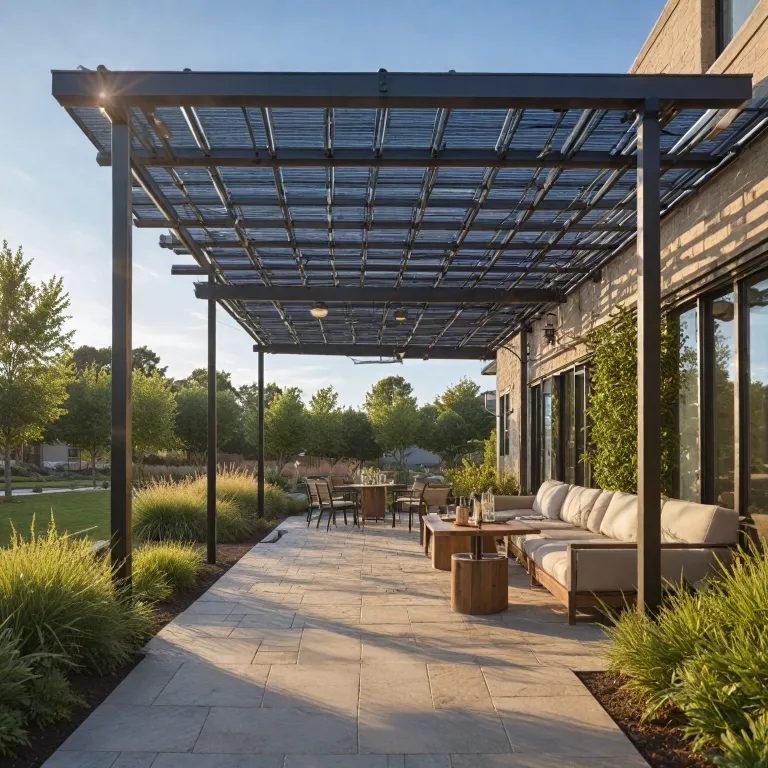
Integrating solar pergolas into hospitality: a new paradigm for sustainable outdoor living
Solar pergolas are transforming the hospitality sector by merging the elegance of traditional pergolas with the efficiency of integrated solar panels. These structures provide both shade and renewable energy, making them a compelling choice for hotels seeking to enhance outdoor living spaces while meeting sustainability and ESG objectives. The adoption of solar pergolas supports reduced reliance on grid electricity, aligns with renewable energy targets, and elevates the guest experience through innovative design.
Manufacturers such as OMBRA, EnVision Pergola, and Sola Outdoor are at the forefront, offering high quality aluminum pergola systems equipped with photovoltaic panels. These products are engineered for durability, weather resistance, and aesthetic appeal, ensuring long-term value for asset managers and investors. The integration of solar panels into pergolas enables hotels to generate solar power on-site, reducing operational costs and supporting compliance with evolving environmental regulations.
Solar pergolas are available in various sizes and configurations, from compact patio deck kits to expansive carport systems. This flexibility allows for tailored solutions that fit the unique needs of each property. The combination of outdoor comfort, energy generation, and compliance with ESG standards positions solar pergolas as a strategic asset for hospitality leaders.
ESG compliance and regulatory considerations for solar pergola installations
For hospitality executives, ESG compliance is a critical driver in the adoption of solar pergolas. The installation of these systems requires careful attention to local building codes, electrical permits, and grid tie regulations. "Most jurisdictions require both building permits (for the pergola structure) and electrical permits (for the solar components). It's advisable to consult local authorities for specific requirements." This expert guidance underscores the importance of due diligence in project planning.
Asset managers and compliance officers must assess the structural integrity of existing outdoor spaces before installation. The orientation and shading of the site directly impact the efficiency of solar panels, making site assessment a key step in the process. In the United States and other regions, incentives and tax credits can significantly offset the cost of solar pergola kits, enhancing the return on investment for hospitality properties.
Collaboration with reputable manufacturers and installers, such as those listed in the dataset, ensures that solar pergola systems meet both technical and regulatory standards. For more details on regulatory frameworks and best practices, visit this resource on hospitality compliance. By aligning solar pergola projects with ESG frameworks, hotels can demonstrate leadership in sustainability and regulatory adherence.
Solar pergola system design: optimizing energy yield and guest experience
The design of a solar pergola system is pivotal in maximizing both energy output and guest satisfaction. High quality photovoltaic panels are integrated into aluminum pergola frames, offering durability and modern aesthetics. Adjustable louvers, LED lighting, and smart climate control systems further enhance the functionality of these outdoor structures.
Customization options allow hotels to select the ideal pergola size, panel configuration, and system features to match their architectural style and operational needs. Bifacial solar panels, for example, increase energy yield by capturing sunlight from both sides, making them suitable for diverse climates. The use of grid tie systems enables seamless integration with existing electrical infrastructure, allowing excess solar power to be fed back into the grid.
Customer reviews consistently highlight the benefits of solar pergolas in outdoor living environments, from shaded patio decks to stylish carports. For a comprehensive overview of solar pergola system design and installation, refer to this detailed guide on solar energy solutions. By prioritizing both energy efficiency and guest comfort, hospitality leaders can create outdoor spaces that reflect their commitment to sustainability and innovation.
Operational benefits and ROI: solar pergolas as strategic hospitality assets
Investing in solar pergolas delivers tangible operational benefits for hotels and resorts. The generation of solar energy on-site reduces electricity costs, supports grid stability, and enhances the property's ESG profile. Solar pergola kits are designed for efficient shipping and installation, minimizing disruption to daily operations and accelerating project timelines.
Federal tax credits and local incentives in the United States can reduce the upfront cost of solar panel systems by up to 30%. "The cost of a solar pergola varies based on size and features. For example, a small 3kW system may cost between $15,000 and $22,000, while larger systems can range from $32,000 to $45,000. Federal tax credits can reduce these costs by up to 30%." This financial advantage, combined with long-term energy savings, makes solar pergolas an attractive investment for asset managers and investors.
Customer service and after-sales support from leading manufacturers ensure that solar pergola systems operate at peak performance throughout their lifecycle. By leveraging renewable energy and innovative design, hotels can achieve both financial and environmental objectives.
Customer experience and outdoor living: enhancing hospitality with solar pergolas
Solar pergolas redefine outdoor living in hospitality settings, offering guests comfortable, shaded environments powered by clean energy. The integration of solar panels into pergolas not only provides shelter but also demonstrates a visible commitment to sustainability. Features such as LED lighting, adjustable louvers, and climate control systems create versatile spaces for dining, relaxation, and events.
Customer reviews emphasize the positive impact of solar pergolas on guest satisfaction and property aesthetics. The ability to host outdoor activities year-round, regardless of weather conditions, enhances the value proposition for hotels and resorts. Aluminum pergolas with integrated solar panels are particularly popular for their low maintenance and high quality construction.
Manufacturers like Pavilion Solar and Sunshine Shelters offer customizable kits and systems designed for seamless installation and long-term durability. The use of renewable energy in outdoor spaces aligns with the expectations of environmentally conscious travelers and corporate clients. By investing in solar pergolas, hospitality leaders can create memorable guest experiences while advancing their sustainability agenda.
Future trends: smart technologies and the evolution of solar pergolas in hospitality
The future of solar pergolas in hospitality is shaped by advancements in smart technologies and design innovation. Integration with smart home systems enables remote control of lighting, shading, and energy management, providing operational flexibility and enhanced guest experiences. The use of bifacial panels and advanced inverters increases energy yield, supporting the transition to grid tie and off-grid solutions.
Customization remains a key trend, with hotels seeking pergola solar systems that match their unique brand identity and architectural vision. The expansion of product offerings, from patio deck kits to large-scale carports, reflects growing demand for versatile outdoor solutions. Manufacturers are responding with high quality, modular systems that simplify shipping, installation, and maintenance.
As regulatory frameworks evolve, compliance with ESG standards and renewable energy targets will become increasingly important for hospitality properties. The adoption of solar pergolas positions hotels as leaders in sustainability, innovation, and guest engagement. By staying ahead of industry trends, hospitality executives can ensure their properties remain competitive and compliant in a rapidly changing landscape.
Key statistics: solar pergolas in hospitality sustainability
- Average cost of a small (3kW) solar pergola system: 15,000 USD
- Federal tax credit percentage for solar installations: 30%
- Wind resistance rating of Pavilion Solar's EnPods: 180 MPH
Frequently asked questions about solar pergolas in hospitality
What is a solar pergola?
A solar pergola is an outdoor structure that combines the traditional design of a pergola with integrated solar panels, providing both shade and renewable energy generation.
How much does a solar pergola cost?
The cost of a solar pergola varies based on size and features. For example, a small 3kW system may cost between $15,000 and $22,000, while larger systems can range from $32,000 to $45,000. Federal tax credits can reduce these costs by up to 30%.
Do solar pergolas work in winter and cloudy weather?
Yes, solar pergolas can generate electricity in winter and cloudy conditions, though at reduced levels. Modern panels are efficient in temperatures down to -40°F and can produce 10-25% of peak output on overcast days.
What permits are required for solar pergola installation?
Most jurisdictions require both building permits (for the pergola structure) and electrical permits (for the solar components). It's advisable to consult local authorities for specific requirements.
References:
- https://solartechonline.com/blog/solar-panel-pergola-complete-guide/
- https://www.pavilionsolar.com/
- https://pergoladepot.com/products/big-kahuna-solar-ready/