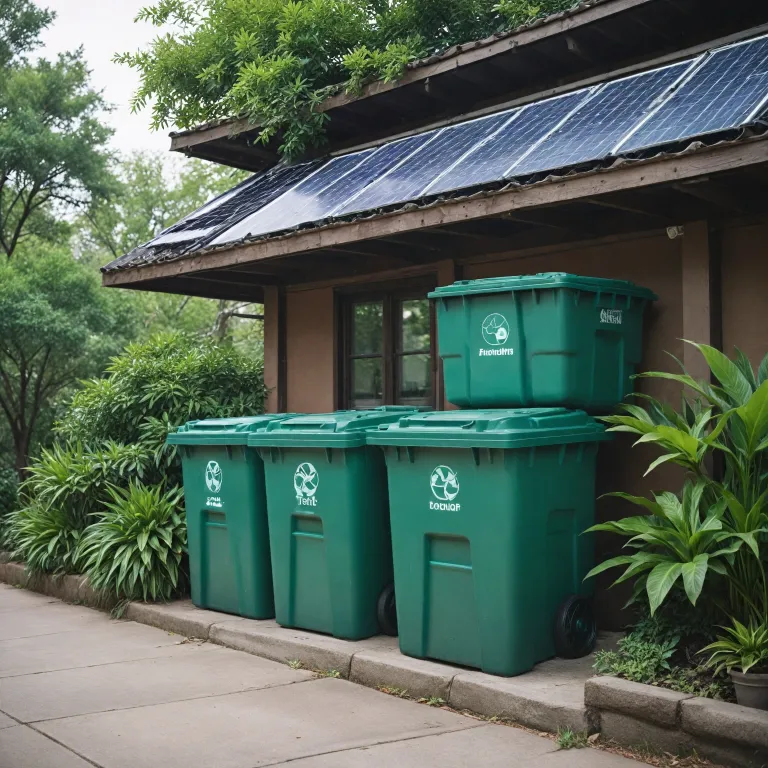
Integrating waste management means into hotel sustainability strategies
Hotels face increasing pressure to align their operations with robust sustainability, ESG, and compliance standards. Waste management means are central to this transformation, as the hospitality sector generates significant amounts of solid waste, including food, packaging, and demolition waste from renovations. Effective management practices require a comprehensive approach that addresses waste collection, segregation, recycling, reuse, and responsible disposal, ensuring that both hazardous and non-hazardous waste materials are handled according to environmental regulations.
Municipal authorities and private waste management companies play pivotal roles in supporting hotels with waste collection and disposal services. Environmental agencies further ensure that hotels comply with evolving environmental standards, particularly in developing countries where informal waste processes and limited infrastructure can complicate compliance. The adoption of circular economy principles and smart waste management technologies enables hotels to minimize the amount of waste generated, divert materials from landfills, and enhance resource recovery, all while protecting human health and the environment.
For asset managers and ESG officers, integrating waste management means into sustainability reporting is essential. This involves tracking the amount of waste generated, the proportion of waste diverted from landfills through reuse and recycling, and the effectiveness of waste reduction initiatives. By embedding these processes into daily operations, hotels can demonstrate leadership in environmental stewardship and compliance, meeting the expectations of investors, auditors, and public institutions.
Optimizing waste collection and segregation for compliance and ESG impact
Proper waste collection and segregation form the foundation of effective waste management means in hotels. Segregating solid waste at the source—such as separating food waste, recyclables, hazardous waste, and demolition waste—enables targeted treatment and maximizes the potential for recycling and reuse. This process not only reduces the amount of waste sent to landfills but also supports environmental and human health by preventing contamination and facilitating safe disposal.
Hotels in the United States and other developed countries often benefit from advanced municipal solid waste infrastructure, but developing countries may face challenges due to informal waste collection systems. Implementing standardized management practices and investing in staff training are critical steps to ensure compliance with local and international regulations. For example, the adoption of color-coded bins and clear signage can streamline waste collection and improve diversion rates.
Collaboration with local authorities and private waste management companies is essential for optimizing waste collection processes. By leveraging partnerships and digital tracking tools, hotels can monitor waste flows, identify opportunities for waste reduction, and benchmark their performance against industry standards. For further insights on compliance and operational excellence, explore our comprehensive guide to hotel waste compliance.
Innovative recycling and reuse strategies for the hospitality sector
Recycling and reuse are integral components of waste management means, offering hotels the opportunity to reduce environmental impact and advance ESG objectives. By implementing on-site recycling facilities and partnering with specialized service providers, hotels can divert significant volumes of waste materials from landfills. This approach not only conserves resources but also supports the circular economy by returning valuable materials to the production cycle.
Reuse initiatives, such as repurposing construction and demolition waste during renovations, further enhance sustainability outcomes. Hotels can also implement creative reuse recycling programs for guest amenities, textiles, and packaging, reducing the need for new products and minimizing waste generation. These strategies contribute to waste reduction and demonstrate a commitment to responsible management practices.
Innovations in recycling technologies and waste-to-energy processes are transforming the way hotels manage solid waste. For example, composting organic waste and converting it into energy or soil amendments can significantly reduce the environmental footprint of hotel operations. To learn more about integrating circular economy principles into your hotel’s waste management strategy, visit our resource on circular economy in hospitality.
Addressing hazardous waste and ensuring safe disposal in hotels
Hazardous waste management is a critical aspect of hotel compliance and ESG performance. Items such as cleaning chemicals, batteries, and electronic waste require specialized treatment and disposal processes to prevent harm to human health and the environment. Proper waste disposal protocols must be established, including secure storage, clear labeling, and partnerships with certified hazardous waste disposal providers.
Hotels must regularly assess the types and quantities of hazardous waste generated, ensuring that all materials are managed in accordance with local and international regulations. Training staff on safe handling procedures and emergency response is essential to mitigate risks and maintain compliance. In developing countries, where informal waste processes may be prevalent, hotels should advocate for improved infrastructure and support community initiatives to enhance hazardous waste management.
By prioritizing safe disposal and recovery of hazardous materials, hotels can reduce liability, protect their reputation, and contribute to broader environmental and public health goals. The integration of digital tracking and reporting tools further strengthens transparency and accountability in hazardous waste management.
Leveraging waste-to-energy and recovery processes for sustainable operations
Waste-to-energy conversion and material recovery are advanced waste management means that support hotels in achieving sustainability and ESG targets. By transforming solid waste into energy, hotels can reduce reliance on fossil fuels and lower greenhouse gas emissions. This process is particularly valuable for managing organic and non-recyclable waste streams, turning potential liabilities into valuable resources.
Material recovery facilities enable the extraction of recyclable materials from mixed waste, increasing diversion rates and supporting the circular economy. Hotels can collaborate with municipal authorities and private waste management companies to access these technologies and optimize their waste recovery processes. In the words of the expert dataset: "Effective waste management reduces environmental pollution, conserves resources, and protects public health."
Implementing waste-to-energy and recovery solutions requires careful planning, investment, and ongoing monitoring to ensure environmental compliance and operational efficiency. By integrating these processes into their waste management strategies, hotels can demonstrate innovation and leadership in sustainability, attracting environmentally conscious guests and investors.
Driving continuous improvement through data, reporting, and stakeholder engagement
Continuous improvement in waste management means relies on robust data collection, transparent reporting, and active stakeholder engagement. Hotels must track key metrics such as the amount of waste generated, diversion rates, and the effectiveness of recycling and reuse initiatives. This data informs decision-making and supports compliance with ESG reporting frameworks.
Engaging stakeholders—including staff, guests, suppliers, and local communities—is essential for building a culture of sustainability. Training programs, awareness campaigns, and incentives can encourage participation in waste reduction and recycling efforts. Asset managers and investors increasingly expect hotels to demonstrate measurable progress in waste management and environmental performance.
Regular audits and third-party assessments help identify areas for improvement and ensure alignment with industry best practices. By fostering a culture of transparency and accountability, hotels can strengthen their reputation and drive long-term value creation through effective waste management means.
Key statistics on waste management means in the hospitality industry
- Global municipal solid waste generation: 2.3 billion tonnes
- Projected global municipal solid waste generation: 3.8 billion tonnes
- Direct global cost of waste management: 252 billion USD
- Projected direct global cost of waste management: 640.3 billion USD
Frequently asked questions on waste management means in hotels
What are the main methods of waste disposal?
The primary methods include landfilling, incineration, recycling, composting, and waste-to-energy conversion.
Why is waste management important?
Effective waste management reduces environmental pollution, conserves resources, and protects public health.
What is the waste hierarchy?
The waste hierarchy prioritizes waste management practices: prevention, minimization, reuse, recycling, energy recovery, and disposal.
How can individuals contribute to waste management?
Individuals can reduce waste by practicing the 3Rs: Reduce, Reuse, and Recycle.
What challenges does waste management face?
Challenges include increasing waste generation, inadequate infrastructure, and the need for public awareness and participation.
- Global Waste Management Outlook
- National Environmental Agencies
- Hospitality Sustainability Reports