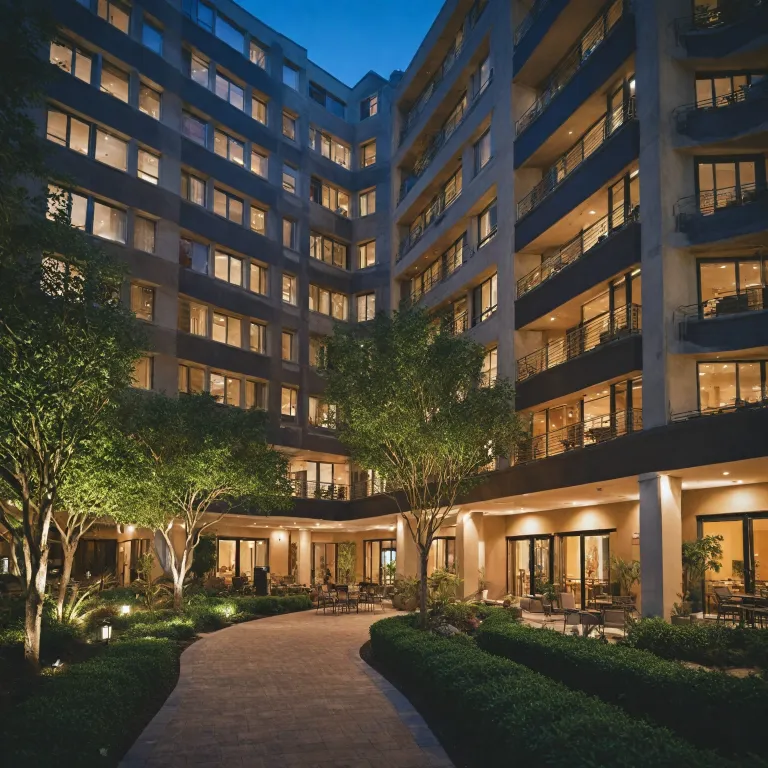
Integrating sustainability and ESG into the property improvement plan process
A property improvement plan (PIP) is essential for hotel owners aiming to maintain brand standards, enhance guest satisfaction, and ensure regulatory compliance. The process begins with a thorough assessment of the hotel property, focusing on areas such as guest rooms, electrical systems, and public spaces. By prioritizing sustainability and ESG principles within the improvement plan, owners can reduce long-term maintenance costs and align with evolving hospitality market expectations. The integration of energy-efficient technologies and sustainable materials during hotel renovations upgrades both the guest experience and the property’s operational efficiency. PIPs are not only about aesthetics; they address required changes that support compliance with brand standards and local regulations. For asset managers and investors, a well-executed plan pip will help protect and grow market share by ensuring the hotel property remains competitive and appealing. A focus on sustainability within property improvement plans also demonstrates a commitment to responsible business practices, which is increasingly valued by guests and institutional stakeholders. The process of developing improvement plans involves collaboration between property owners, contractors, and local government agencies, ensuring that all renovations meet stringent standards. This approach will help hotels in any city achieve both immediate and long-term benefits, from reduced costs to enhanced guest satisfaction.Aligning brand standards and compliance in hotel PIPs
Brand standards are at the core of every successful hotel property improvement plan. These standards dictate the level of quality, safety, and guest experience expected by both the brand and its clientele. When developing a PIP, hotel owners must ensure that all renovations and upgrades align with these requirements, from guest rooms to public amenities and electrical systems. Compliance with local regulations is equally critical, as non-conformity can result in costly delays or penalties. The plan pip process involves close coordination with local government agencies to secure necessary permits and verify that all property improvements meet regulatory standards. This dual focus on brand and compliance ensures that hotel renovations not only enhance the guest experience but also protect the property’s value and reputation. For those responsible for ESG and RSE, integrating compliance checks into every stage of the improvement plan will help identify potential risks early and streamline the approval process. For more insights on compliance best practices, refer to this detailed guide on hotel compliance strategies. By embedding compliance and brand standards into the DNA of property improvement plans, hotel owners and asset managers can ensure that every renovation delivers measurable value and supports long-term operational goals.Cost management and financing strategies for hotel renovations
Managing costs is a central concern for hotel owners and asset managers undertaking a property improvement plan. The average pip cost for hotels can reach significant levels, making financial planning and cost control essential. A detailed improvement plan will help identify priority areas for investment, such as guest rooms, electrical systems, and sustainability upgrades, ensuring that resources are allocated efficiently. Securing financing for hotel renovations often involves collaboration with financial institutions, which may offer tailored solutions for property improvements. Project management software and financial planning tools are invaluable for tracking costs, timelines, and progress throughout the renovation process. Transparent communication between owners, contractors, and financiers is key to minimizing unforeseen expenses and ensuring that the plan pip stays on track. To further optimize costs, hotel owners should consider phased improvement plans that allow for renovations to be completed in stages, reducing operational disruptions and spreading expenditures over time. For a comprehensive overview of cost-effective renovation strategies, explore this resource on hotel renovation budgeting. Effective cost management not only safeguards profitability but also supports the long-term sustainability of the hotel property.Enhancing guest experience and satisfaction through property improvements
A well-executed property improvement plan directly impacts guest satisfaction and loyalty. Upgrading guest rooms, modernizing public areas, and improving electrical systems all contribute to a superior guest experience. Hotels that invest in regular renovations and upgrades are better positioned to meet evolving guest expectations and maintain high occupancy rates. The process of implementing a plan pip should always keep the guest at the center, ensuring that every change enhances comfort, convenience, and safety. Incorporating smart technologies and sustainable features into property improvements can further differentiate the hotel in a competitive market. Guest feedback should be integrated into the planning process, allowing hotel owners to prioritize improvements that will have the greatest impact on satisfaction. By focusing on guest-centric renovations, hotel owners can increase positive reviews, drive repeat business, and strengthen their brand reputation. Ultimately, a strategic improvement plan will help hotels deliver memorable stays and secure long-term market share.Long-term value creation and market competitiveness through PIPs
Property improvement plans are not just about immediate upgrades; they are strategic tools for long-term value creation. Regularly scheduled PIPs, typically every 6 to 10 years, ensure that hotel properties remain aligned with brand standards and market trends. This proactive approach will help hotel owners extend the lifespan of their assets and maximize return on investment. "Are Property Improvement Plans mandatory? In many cases, especially within franchised businesses like hotels, PIPs are mandatory to maintain brand affiliation and compliance." This requirement underscores the importance of adhering to both brand and regulatory expectations. By investing in property improvements, hotels can enhance operational efficiency, reduce maintenance costs, and position themselves as leaders in sustainability and guest experience. Market competitiveness is further strengthened by the adoption of innovative solutions, such as energy-efficient systems and smart technologies. These enhancements not only appeal to environmentally conscious guests but also contribute to lower operating costs and improved profitability. A robust improvement plan will help hotels adapt to changing market dynamics and secure a strong foothold in their respective cities.Stakeholder collaboration and the future of property improvement plans
The success of any property improvement plan depends on effective collaboration among stakeholders, including hotel owners, contractors, local government agencies, and financial institutions. Each party plays a vital role in ensuring that the plan pip is executed efficiently and meets all required standards. Regular communication and transparent reporting are essential for managing expectations and addressing challenges as they arise. The future of property improvement plans in hospitality will be shaped by ongoing innovation and a heightened focus on ESG and sustainability. Incorporating smart technologies, sustainable materials, and health and safety enhancements will help hotels stay ahead of regulatory changes and guest preferences. As the industry evolves, improvement plans must remain flexible and responsive to new opportunities and risks. Hotel owners and asset managers should view PIPs as dynamic tools for continuous improvement, rather than one-time projects. By fostering a culture of collaboration and innovation, the hospitality sector can ensure that property improvements deliver lasting value for all stakeholders.Key statistics on property improvement plans in hospitality
- Average PIP cost for hotels: 1,000,000 USD
- Percentage of hotels undergoing PIPs annually: 20%
Frequently asked questions about property improvement plans
What is the typical duration of a Property Improvement Plan?
The duration varies but typically spans from several months to a few years, depending on the scope of improvements.
Are Property Improvement Plans mandatory?
In many cases, especially within franchised businesses like hotels, PIPs are mandatory to maintain brand affiliation and compliance.
How often should a property undergo a PIP?
It is common for properties to undergo a PIP every 6 to 10 years, but this can vary based on brand requirements and property condition.