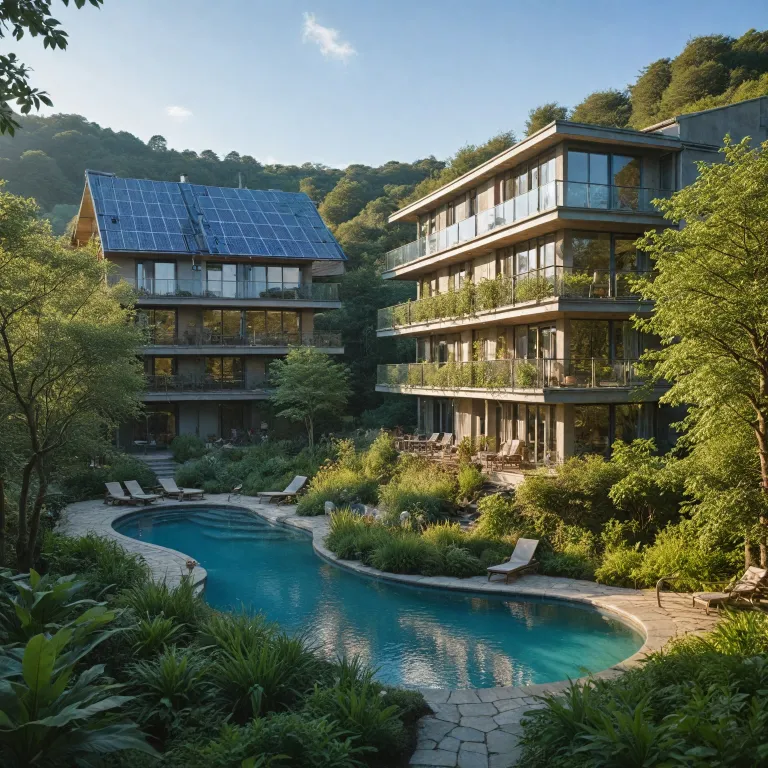
Defining the best green hotels in Europe: Sustainability benchmarks and ESG compliance
The best green hotels in Europe are setting new standards for sustainability, ESG, and compliance within the hospitality industry. These hotels and resorts are not only eco friendly but also demonstrate a deep commitment to responsible resource management, renewable energy, and transparent reporting. For general management, ESG officers, and compliance leaders, understanding the operational benchmarks that define eco hotels is essential for aligning with evolving regulatory frameworks and investor expectations.
Green hotels in Europe prioritize energy efficiency, water conservation, and waste reduction. Many luxury hotels and boutique hotels have adopted advanced technologies such as waste heat recovery systems, solar panels, and smart sensors to minimize their environmental impact. For example, the Crowne Plaza Copenhagen Towers in Denmark stands out as the first carbon dioxide-neutral hotel in the country, while the Boutique Hotel Stadhalle in Vienna features a roof garden and solar energy solutions. These initiatives not only appeal to guests seeking sustainable travel but also enhance the asset value for investors and asset managers.
Compliance with recognized certifications such as Green Key, LEED, or EarthCheck is a hallmark of sustainable hotels. As one verified expert states, "A green hotel implements practices that reduce its environmental impact, such as energy efficiency, waste reduction, water conservation, and use of sustainable materials." This approach ensures that both city hotels and mountain resorts meet the rigorous standards expected by auditors and public institutions. The integration of eco friendly practices is now a core element of the European hospitality landscape, shaping the future of family friendly and luxury hotels alike.
Innovative eco friendly practices in European hotels: From energy to guest experience
Innovation is at the heart of the best green hotels in Europe, with a focus on both operational efficiency and guest engagement. Hotels in Germany, Austria, and Italy are leading the way with creative solutions that balance luxury and sustainability. For instance, the Hotel Allegro Bern in Switzerland uses a waste heat recovery system and recycles 90% of its mattresses and furniture, demonstrating a holistic approach to eco friendly operations.
Family vacation destinations such as Hotel Plesnik in Slovenia offer natural pools cleaned by plants and fish, while the Inspira Santa Marta Hotel in Lisbon features a solar-heated pool and Feng Shui design principles. These features not only reduce environmental impact but also enhance the wellness and nature experience for guests. The rise of eco hotels and sustainable hotels in Europe is closely linked to the growing demand for authentic, nature-based experiences, including hiking, wellness retreats, and ski vacations.
Hotels Germany and hotels Austria are increasingly integrating local sourcing and organic products into their food and beverage offerings. The Melia Luxembourg Hotel, for example, provides over 50% organic beverages and educates guests on habitat conservation. For those seeking a luxury hotel or boutique hotel experience, the combination of sustainability and high-end amenities is now a key differentiator. For more insights on sustainable hospitality trends, visit our sustainable travel insights page.
Family friendly and luxury eco hotels: Balancing comfort, compliance, and sustainability
Family friendly hotels and luxury hotels in Europe are redefining what it means to offer a sustainable vacation. The best green hotels in Europe cater to families, couples, and solo travelers by providing eco friendly amenities without compromising on comfort or service. Resorts such as the Sani Resort in Greece and the São Lourenço do Barrocal in Portugal exemplify this balance, offering activities like horseback riding, beekeeping, and farm-to-table dining in harmony with nature.
Mountain resorts and ski hotels, including the renowned Cervo Mountain Resort, are integrating sustainable practices into their core operations. These hotels leverage their unique locations to promote hiking, wellness, and outdoor experiences that connect guests with the natural environment. As one verified expert notes, "No, many green hotels combine luxury with sustainability, offering high-quality amenities and services while maintaining eco-friendly practices."
Compliance officers and asset managers are increasingly involved in evaluating the sustainability credentials of family vacation destinations and luxury hotels. The adoption of eco certifications and transparent ESG reporting is now a prerequisite for attracting responsible investors and meeting regulatory requirements.
Nature, wellness, and the guest journey: The role of location and activities in sustainable hotels
The location of a hotel or resort plays a pivotal role in shaping its sustainability strategy and guest experience. Eco hotels in regions such as South Tyrol, private islands, and mountain settings are uniquely positioned to offer immersive nature and wellness experiences. These destinations encourage guests to engage in hiking, wellness therapies, and outdoor activities that foster a deeper connection with the environment.
Beach hotels and private island resorts are adopting innovative water conservation and waste management systems to protect fragile ecosystems. For example, hotels on islands and in coastal regions are investing in desalination plants, rainwater harvesting, and eco friendly waste treatment. The integration of sustainable travel options, such as bike rentals and electric vehicle charging, further reduces the carbon footprint of guests and supports broader ESG goals.
Family friendly hotels and city hotels are also reimagining urban hospitality by incorporating green spaces, rooftop gardens, and energy-efficient building designs. The Boutique Hotel Stadhalle in Vienna, with its lavender roof garden, is a prime example of how city hotels can combine sustainability with guest comfort.
Compliance, certifications, and investor perspectives: ESG in the European hotel sector
ESG compliance and sustainability certifications are now central to the investment strategies of asset managers, investors, and public institutions in the European hotel sector. The best green hotels in Europe are transparent about their eco friendly initiatives, providing detailed ESG reports and pursuing third-party certifications. This transparency builds trust with stakeholders and demonstrates a long-term commitment to responsible business practices.
Hotels Germany, hotels Austria, and hotels Italy are increasingly seeking certifications such as Green Key and EarthCheck to validate their sustainability claims. As one verified expert explains, "Look for recognized certifications like Green Key, LEED, or EarthCheck, and research the hotel's specific sustainability initiatives." This due diligence is essential for compliance officers and auditors tasked with verifying the authenticity of eco hotels and sustainable hotels.
Investors are also recognizing the value of sustainable hotels in terms of risk mitigation, brand reputation, and long-term asset appreciation. The integration of ESG criteria into hotel operations is not only a regulatory requirement but also a competitive advantage in attracting eco conscious guests and family vacationers. The future of the European hospitality industry will be shaped by those who lead in compliance, innovation, and sustainable travel.
Guest engagement and the future of sustainable travel in European hotels
Engaging guests in sustainability initiatives is a defining feature of the best green hotels in Europe. Hotels and resorts are increasingly involving guests in eco friendly programs, from recycling and energy conservation to supporting local businesses and nature conservation projects. As one verified expert advises, "Participate in the hotel's green programs, conserve water and energy, recycle when possible, and support local businesses that prioritize sustainability."
Family friendly hotels and boutique hotels are using guest education and interactive experiences to foster a culture of sustainability. The Conscious Vondelpark in Amsterdam, for example, encourages guests to make eco friendly choices without compromising on comfort or enjoyment. This approach not only enhances the guest experience but also supports the broader goals of sustainable travel and responsible tourism.
As demand for eco hotels and sustainable hotels continues to rise, the hospitality industry must prioritize transparency, innovation, and guest engagement. The best green hotels in Europe are leading the way, demonstrating that luxury, comfort, and environmental stewardship can coexist. The journey toward a more sustainable future in hospitality is a shared responsibility, with hotels, guests, and stakeholders all playing a vital role.
Key statistics on sustainable hotels and eco friendly travel in Europe
- 66% of travelers are willing to pay more for eco friendly accommodations.
- There has been a 45% increase in searches for 'eco friendly hotels' over recent years.
Frequently asked questions about the best green hotels in Europe
What defines a green hotel?
A green hotel implements practices that reduce its environmental impact, such as energy efficiency, waste reduction, water conservation, and use of sustainable materials.
How can I verify a hotel's eco friendly claims?
Look for recognized certifications like Green Key, LEED, or EarthCheck, and research the hotel's specific sustainability initiatives.
Do green hotels compromise on luxury?
No, many green hotels combine luxury with sustainability, offering high-quality amenities and services while maintaining eco friendly practices.
Trusted sources for sustainable hotels and eco friendly travel
- https://eluxemagazine.com/travel/most-eco-friendly-hotels-in-europe/
- https://www.visitmundus.com/post/green-travel-accommodations-in-europe-top-5-eco-friendly-hotels
- https://www.cpcopenhagen.dk/