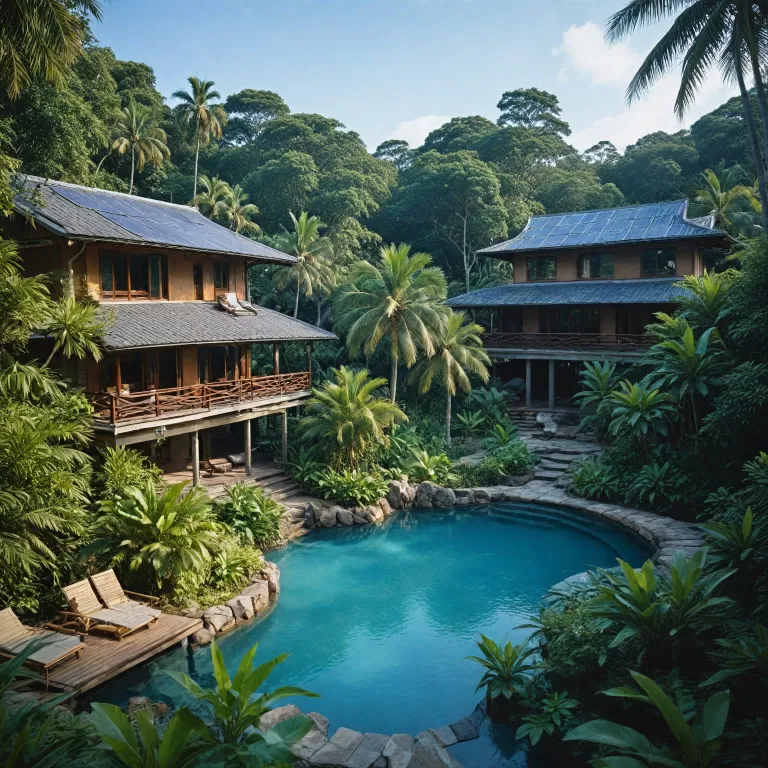
Redefining luxury: The rise of best eco resorts in Asia
Across Asia, the hospitality industry is undergoing a transformation as the best eco resorts in Asia set new benchmarks for sustainability, ESG compliance, and guest experience. These eco resorts are not just destinations; they are immersive environments where every detail, from water conservation to marine conservation, is meticulously addressed. The integration of eco friendly architecture, such as open-air terraces and energy-efficient systems, is now a hallmark of leading properties like Pan Pacific Orchard and Soneva Kiri.
Asset managers and investors are increasingly drawn to resorts Asia-wide that demonstrate measurable sustainability efforts. The demand for eco resort experiences is growing, with guests seeking to explore local cultures, ancient temples, and national parks while minimizing their environmental footprint. The best eco resorts in Asia, including iconic names like Nihi Sumba, Topas Ecolodge, and Bawah Reserve, offer unique opportunities to engage with coral reefs, participate in eco dive tours, and enjoy pristine beach settings.
Prices at these eco resorts reflect their commitment to both luxury and sustainability, with a focus on delivering value through responsible operations. Instagram-worthy photo moments abound, from the turquoise waters of Boulder Bay to the lush landscapes of Luang Prabang. As the industry evolves, compliance with international standards and local regulations ensures that each lodge or resort remains a leader in eco friendly hospitality.
Innovative design and compliance: How architecture shapes sustainability in eco resorts
Architectural innovation is central to the success of the best eco resorts in Asia, with firms like WOHA Architects pioneering sustainable design. The Pan Pacific Orchard in Singapore exemplifies this approach, featuring four open-air terraces—Forest, Beach, Garden, and Cloud—that enhance natural ventilation and reduce energy consumption. As stated in the dataset, "The hotel features four open-air terraces named Forest, Beach, Garden, and Cloud, designed to enhance natural ventilation and provide unique guest experiences." This architectural philosophy is mirrored in other leading eco resorts, where the use of eco friendly building materials and energy-efficient systems is standard practice.
Compliance teams and RSE & ESG managers are tasked with ensuring that every aspect of resort development aligns with both local and international sustainability standards. This includes rigorous monitoring of water usage, waste management, and marine conservation initiatives. Resorts like Soneva and Bawah Reserve have set industry benchmarks by integrating sustainability into their core operations, from sourcing local produce to supporting community-based conservation projects.
For asset managers and public institutions, the focus on compliance is not just about meeting regulatory requirements but about building long-term value. The best eco resorts in Asia demonstrate that luxury and sustainability can coexist, offering guests the chance to explore ancient temples, national parks, and vibrant local cultures while supporting responsible tourism. For more insights on sustainable hospitality practices, visit this comprehensive guide to ESG in hospitality.
Community engagement and local impact: The social dimension of eco resorts
Eco resorts in Asia are redefining their role within local communities, moving beyond traditional hospitality to become catalysts for social and environmental change. By partnering with local artisans, farmers, and conservationists, these resorts foster economic development and cultural preservation. Guests are encouraged to explore local markets, participate in eco dive tours, and learn about marine conservation efforts that protect coral reefs and coastal ecosystems.
Resorts such as Con Dao and Luang Prabang have established programs that address the needs of surrounding communities, from educational initiatives to infrastructure development. These efforts are integral to the sustainability strategies of the best eco resorts in Asia, ensuring that tourism benefits both visitors and residents. The integration of local culture into resort experiences, from culinary offerings to guided tours of ancient temples, enhances the authenticity and appeal of each destination.
Compliance officers and ESG managers play a crucial role in monitoring the social impact of resort operations, ensuring that community engagement is both meaningful and measurable. By aligning with international best practices, eco resorts in Asia set a standard for responsible tourism that resonates with asset managers, investors, and public institutions. For a deeper dive into the social impact of sustainable hospitality, explore this analysis of community engagement in eco resorts.
Marine conservation and water stewardship: Protecting Asia’s natural assets
Marine conservation is a defining feature of the best eco resorts in Asia, particularly those located on islands or near sensitive coastal environments. Resorts like Bawah Reserve and Nihi Sumba have implemented comprehensive programs to protect coral reefs, manage water resources, and promote eco friendly tourism. These initiatives are designed to preserve biodiversity while offering guests the opportunity to participate in guided eco dive tours and marine education activities.
Water stewardship is another critical area of focus, with resorts adopting advanced technologies to minimize consumption and ensure the long-term sustainability of local water supplies. The use of rainwater harvesting, greywater recycling, and low-flow fixtures is now standard practice among leading eco resorts. As highlighted in the dataset, "The hotel utilizes sustainable architectural design, eco-friendly materials, and energy-efficient systems to minimize its environmental impact."
Asset managers and compliance teams are increasingly evaluating the effectiveness of these sustainability efforts, using metrics such as water usage per guest and the health of local marine ecosystems. The best eco resorts in Asia demonstrate that proactive stewardship of natural resources is essential for long-term success, both environmentally and economically.
Technology, transparency, and ESG reporting in eco resorts
Transparency and data-driven decision-making are becoming standard in the management of the best eco resorts in Asia. Advanced monitoring systems track energy consumption, water usage, and waste generation, enabling resorts to optimize their sustainability efforts and demonstrate compliance with ESG standards. Publicly available ESG reports provide stakeholders with detailed insights into each resort’s performance, fostering trust and accountability.
Technology also enhances the guest experience, from smart room controls that reduce energy use to interactive platforms that allow guests to explore sustainability initiatives. Resorts like Soneva Kiri and Topas Ecolodge leverage digital tools to share real-time data on their environmental impact, reinforcing their commitment to transparency. Instagram and other social media platforms are used to showcase eco friendly practices, highlight community engagement, and inspire travelers to make responsible choices.
For asset managers, investors, and auditors, robust ESG reporting is essential for evaluating the long-term viability of eco resorts. The best eco resorts in Asia set the standard for transparency, using technology to address compliance challenges and drive continuous improvement. This approach ensures that sustainability remains at the core of the hospitality experience, benefiting both guests and the broader community.
Future trends: Scaling sustainability and compliance in Asian eco resorts
The future of the best eco resorts in Asia lies in the continued integration of sustainability, ESG compliance, and innovative guest experiences. As demand for eco friendly travel grows, resorts are expanding their offerings to include immersive tours, hands-on conservation activities, and educational programs focused on marine conservation and local culture. The use of technology will further enhance compliance monitoring, enabling real-time tracking of sustainability metrics and facilitating transparent reporting to stakeholders.
Collaboration between resorts, local governments, and public institutions will be critical in scaling sustainability efforts across the region. Initiatives such as the protection of national parks, restoration of coral reefs, and promotion of eco dive tourism will require coordinated action and shared investment. The best eco resorts in Asia are poised to lead this movement, setting new standards for luxury, compliance, and environmental stewardship.
As the industry evolves, the focus will remain on delivering exceptional guest experiences while addressing the complex challenges of sustainability and compliance. By embracing innovation, transparency, and community engagement, eco resorts in Asia will continue to redefine the future of hospitality.
Key statistics on eco resorts in Asia
- Number of rooms and suites at Pan Pacific Orchard: 343 rooms
- Height of the Pan Pacific Orchard hotel: 140 meters
Frequently asked questions about best eco resorts in Asia
What are the unique features of Pan Pacific Orchard?
The hotel features four open-air terraces named Forest, Beach, Garden, and Cloud, designed to enhance natural ventilation and provide unique guest experiences.
How does Pan Pacific Orchard incorporate sustainability?
The hotel utilizes sustainable architectural design, eco-friendly materials, and energy-efficient systems to minimize its environmental impact.