Redefining sustainable luxury: Integrating ESG and compliance in hospitality management
The hospitality industry is undergoing a profound transformation as sustainability in luxury hotels becomes a central pillar of management and guest experience. Luxury hotels are now expected to balance opulence with eco conscious practices, ensuring that environmental sustainability is embedded in every aspect of their operations. This shift is driven by both regulatory requirements and evolving guest expectations, with asset managers and investors increasingly prioritizing sustainable luxury as a core value proposition.
Luxury hospitality brands, such as Melia Hotels, are leading the way by integrating sustainable practices into their management systems and design philosophies. These hotels are adopting eco friendly materials, energy efficient systems, and water waste reduction strategies to minimize their environmental impact. The use of sustainable materials in hotel construction and renovation not only enhances the guest experience but also demonstrates a long term commitment to environmental stewardship.
Compliance with ESG standards is no longer optional for luxury hotels; it is a necessity for maintaining competitiveness in the hospitality industry. Responsible management teams are implementing robust systems to monitor energy consumption, waste generation, and water usage, ensuring that their operations align with global sustainability benchmarks. This holistic approach to sustainability in luxury hotels is setting new standards for the industry, positioning these properties as leaders in sustainable tourism destinations.
Innovative eco friendly design and operational practices in luxury hotels
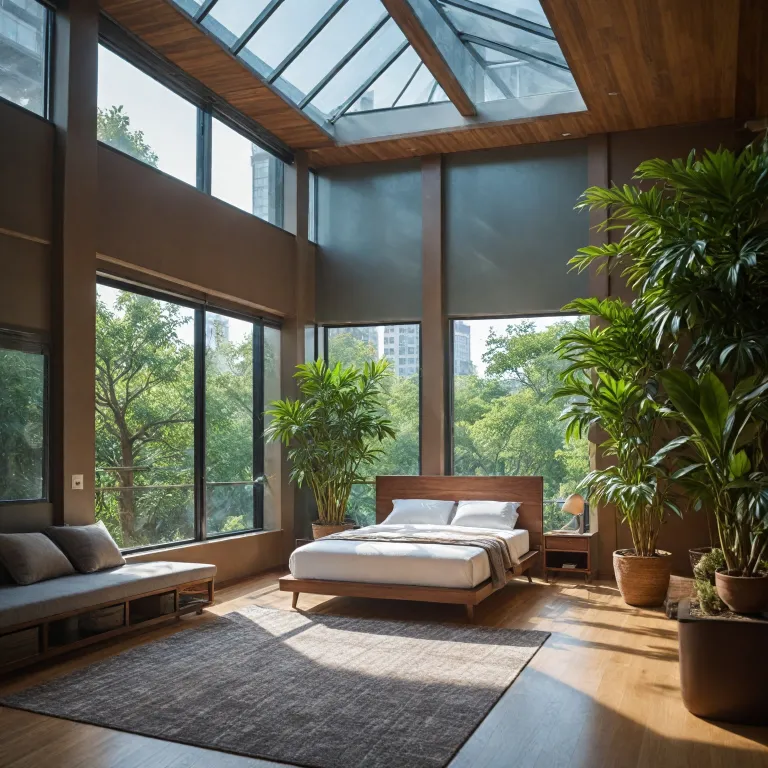
Design innovation is at the heart of sustainability in luxury hotels, with biophilic elements and eco conscious architecture enhancing both environmental impact and guest experience. Luxury hotel properties are increasingly utilizing sustainable materials, such as reclaimed wood and recycled glass, to create spaces that are both elegant and environmentally responsible. The integration of smart energy management systems allows hotels to optimize energy consumption, reducing operational costs while supporting environmental sustainability.
Operational practices in luxury hospitality have evolved to include comprehensive waste management programs, targeting both food waste and general waste streams. Hotels are partnering with local communities and environmental organizations to implement recycling, composting, and zero waste initiatives. These efforts not only reduce the environmental footprint of luxury hotels but also contribute to the well-being of the surrounding community and ecosystem.
Melia Hotels exemplifies the commitment to sustainable luxury through their adoption of renewable energy sources and water saving technologies. By prioritizing eco friendly systems and sustainable practices, luxury hotels are able to offer guests a unique blend of comfort and environmental consciousness. For further insights on sustainable hospitality management, explore best practices in eco friendly hotel operations.
Energy and water management: Reducing consumption and environmental impact
Energy consumption remains a critical focus for sustainability in luxury hotels, with the industry adopting advanced technologies to monitor and reduce usage. Smart systems enable real time tracking of energy and water consumption, allowing hotel management to identify inefficiencies and implement targeted improvements. The adoption of renewable energy sources, such as solar and wind, is becoming increasingly common in luxury hospitality, further reducing the environmental impact of hotel operations.
Water waste management is another key area where luxury hotels are making significant strides. The installation of low flow fixtures, greywater recycling systems, and rainwater harvesting solutions has become standard practice in many luxury hotel properties. These sustainable practices not only conserve vital resources but also enhance the overall sustainability luxury profile of the hotel.
Guests are encouraged to participate in eco friendly initiatives, such as reusing towels and minimizing water usage during their stay. These collaborative efforts between hotel management and guests reinforce the importance of environmental sustainability and contribute to a more responsible hospitality industry. For a deeper exploration of water and energy management in luxury hotels, visit sustainable resource management strategies.
Waste reduction and circular economy strategies in luxury hospitality
Waste management is a cornerstone of sustainability in luxury hotels, with a growing emphasis on circular economy principles. Luxury hotels are implementing comprehensive waste audits to identify opportunities for reduction, reuse, and recycling across all departments. Food waste, in particular, is being addressed through partnerships with local farmers and food banks, ensuring that surplus food is redirected to those in need rather than ending up in landfills.
Eco friendly practices extend to the procurement of sustainable materials and the elimination of single use plastics throughout the hotel. Melia Hotels and other leaders in luxury hospitality are investing in composting programs and digital platforms to minimize paper waste, further supporting their commitment to sustainable luxury. These initiatives not only reduce the environmental impact of hotel operations but also resonate with eco conscious guests seeking authentic green experiences.
By fostering a culture of sustainability among staff and guests, luxury hotels are creating long term value for stakeholders and the broader hospitality industry. The integration of circular economy strategies is positioning luxury hotels as innovators in environmental sustainability and responsible tourism destinations.
Enhancing guest experience through sustainable luxury and eco conscious services
Guest experience is at the core of luxury hospitality, and sustainability in luxury hotels is now a defining feature of exceptional service. Eco conscious guests are increasingly seeking out hotels that prioritize environmental sustainability, ethical sourcing, and community engagement. Luxury hotels are responding by offering green amenities, such as organic toiletries, plant based dining options, and curated experiences that highlight local culture and biodiversity.
Personalized guest services are being enhanced through the use of digital platforms, enabling seamless communication and reducing the need for printed materials. Sustainable practices, such as linen reuse programs and energy efficient room controls, empower guests to participate in the hotel’s sustainability journey. These initiatives not only improve operational efficiency but also create memorable experiences that align with the values of today’s luxury travelers.
As one expert notes, “Guests can participate by reusing towels, minimizing water and energy use, supporting local businesses, and choosing hotels with strong sustainability programs.” This collaborative approach to sustainability luxury ensures that both guests and hotel management contribute to a more responsible and impactful hospitality industry.
Long term value creation and industry leadership in sustainable luxury hospitality
Long term value creation is a strategic priority for luxury hotels committed to sustainability, ESG, and compliance. By investing in sustainable materials, energy efficient systems, and robust management practices, luxury hotels are enhancing their reputation and securing their position as industry leaders. Asset managers and investors recognize the financial and reputational benefits of sustainable luxury, driving further innovation and adoption of best practices across the sector.
Luxury hotel brands, including Melia Hotels, are leveraging their expertise in hospitality management to set new benchmarks for environmental sustainability and social responsibility. The integration of ESG criteria into decision making processes ensures that luxury hotels remain resilient and adaptable in a rapidly changing global landscape. This proactive approach to sustainability in luxury hotels is fostering a culture of continuous improvement and accountability within the hospitality industry.
As highlighted in the dataset, “To meet consumer demand for eco friendly options, reduce operational costs, and contribute positively to the environment and local communities,” luxury hotels must remain agile and forward thinking. The ongoing evolution of sustainable practices in luxury hospitality will continue to shape the future of tourism destinations worldwide.
Collaboration, certification, and the future of sustainable luxury hotels
Collaboration with local communities, environmental organizations, and certification bodies is essential for advancing sustainability in luxury hotels. These partnerships enable hotels to access expertise, resources, and innovative solutions that drive continuous improvement in environmental sustainability. Achieving recognized certifications, such as LEED, validates the commitment of luxury hotels to sustainable practices and enhances their credibility with guests, investors, and regulators.
The hospitality industry is witnessing a growing trend towards transparency and accountability, with luxury hotels openly reporting on their sustainability performance and progress. This culture of openness fosters trust among stakeholders and encourages the adoption of best practices across the industry. Melia Hotels and other leaders in luxury hospitality are setting the standard for responsible tourism destinations, inspiring others to follow suit.
Looking ahead, the integration of advanced technologies, circular economy principles, and guest centric sustainable services will define the next era of luxury hotel management. The collective efforts of all actors—management, staff, guests, and partners—will ensure that sustainability in luxury hotels remains at the forefront of the hospitality industry’s evolution.
Key statistics on sustainability in luxury hotels
- 75% of luxury hotels have implemented sustainability practices (International Luxury Hotel Association).
- Sustainable practices have led to a 20% reduction in energy consumption in luxury hotels (Green Hotelier).
Frequently asked questions about sustainability in luxury hotels
What are common sustainability practices in luxury hotels?
Common practices include using renewable energy, water conservation measures, waste reduction programs, and sourcing local materials and food.
Why are luxury hotels focusing on sustainability?
To meet consumer demand for eco friendly options, reduce operational costs, and contribute positively to the environment and local communities.
How can guests contribute to sustainability efforts during their stay?
Guests can participate by reusing towels, minimizing water and energy use, supporting local businesses, and choosing hotels with strong sustainability programs.
Trusted sources for sustainability in luxury hotels
- https://www.greenhotelier.org
- https://www.sustainablehospitalityalliance.org
- https://www.internationalhotelier.com