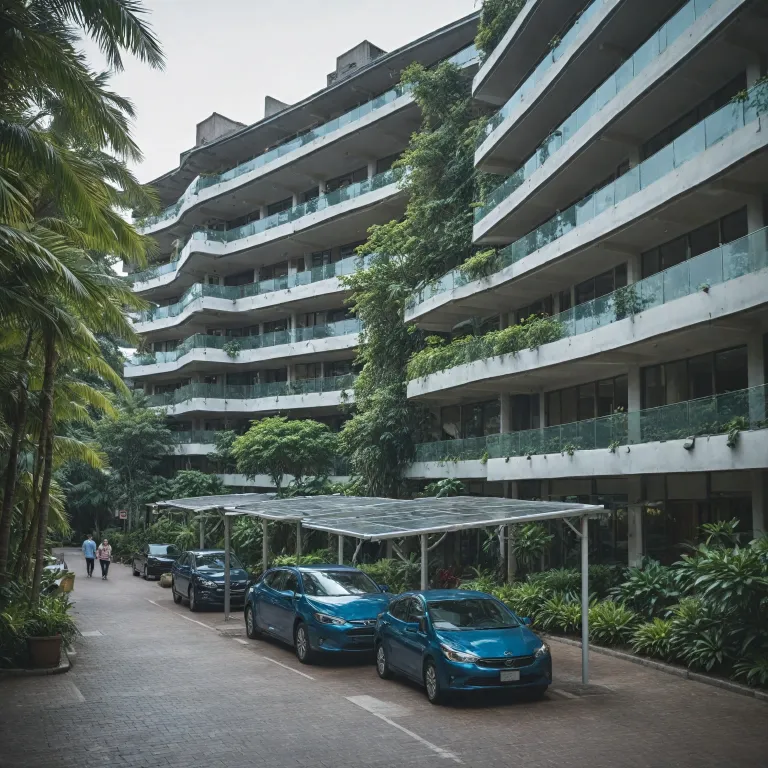
Integrating energy efficiency into hotel management: strategies for sustainable operations
Energy efficient hotels are redefining the hospitality sector by embedding sustainability, ESG, and compliance into their core management strategies. The integration of energy management systems, advanced HVAC systems, and renewable energy sources enables hotels to reduce energy consumption and enhance operational efficiency. For general managers and ESG officers, prioritizing energy efficiency not only aligns with global environmental standards but also supports long-term financial savings and regulatory compliance.
Hotels and resorts are increasingly adopting green practices such as LED lighting retrofits, water-saving fixtures, and waste reduction programs. These measures help reduce energy usage and water consumption, directly impacting the environmental footprint of each property. The hospitality industry’s commitment to energy efficient systems is evident in the widespread implementation of energy star appliances and eco friendly building materials, which contribute to both sustainability and guest satisfaction.
Asset managers and investors recognize that sustainable hotels offer improved risk management and enhanced asset value. The adoption of energy efficient technologies, such as smart energy management and renewable energy integration, positions hotels as leaders in environmental stewardship. These practices are not only beneficial for the environment but also resonate with guests seeking green hotels and sustainable accommodations.
Best practices for energy and water efficiency in hotels and resorts
Implementing best practices for energy and water efficiency is essential for hotels aiming to achieve sustainability and compliance. The hospitality industry has seen a surge in the use of energy management systems that monitor and optimize energy consumption across guest rooms, public spaces, and back-of-house operations. These systems help reduce energy waste and enable precise control over heating, cooling, and lighting.
Water management is another critical component of sustainable hotel operations. Hotels and resorts are investing in low-flow fixtures, greywater recycling, and smart irrigation systems to minimize water usage without compromising guest comfort. These initiatives not only help reduce operational costs but also support the broader goals of environmental conservation and resource efficiency.
To further enhance sustainability, many hotels participate in certification programs such as LEED and Green Seal, which set rigorous standards for energy efficiency, waste reduction, and sustainable practices. According to industry data, 99.1% of hotels have implemented energy efficiency measures in recent years, reflecting the sector’s commitment to continuous improvement. For more insights on sustainable hotel management, visit sustainable hospitality strategies.
Innovative technologies driving energy savings and compliance
The adoption of innovative technologies is transforming the way hotels achieve energy savings and regulatory compliance. Advanced HVAC systems, AI-powered energy management platforms, and thermal energy storage solutions are enabling hotels to optimize energy usage and reduce environmental impact. These technologies provide real-time data and analytics, allowing hotel management to make informed decisions that enhance efficiency and sustainability.
Lighting upgrades, such as the transition to LED fixtures, can reduce electricity use by up to 50%, significantly lowering energy costs and carbon emissions. The integration of renewable energy sources, including solar panels and wind turbines, further supports hotels in achieving energy efficient operations. Notable examples include the Crowne Plaza Copenhagen Towers, which generates all its power from renewable sources, and Hotel Marcel, a zero-energy hotel utilizing over 1,000 solar panels and a 1.5MW battery storage system.
Compliance with environmental regulations and ESG standards is increasingly facilitated by digital tools that track energy consumption, water usage, and waste generation. These systems help hotels demonstrate their commitment to sustainability and meet the expectations of investors, auditors, and public institutions. For a deeper dive into compliance and technology in hospitality, explore energy compliance solutions for hotels.
Case studies: leading energy efficient hotels and their impact
Examining the achievements of pioneering energy efficient hotels provides valuable insights for industry stakeholders. The Proximity Hotel in Greensboro, North Carolina, stands out as the first LEED Platinum-certified hotel in the United States, implementing over 70 sustainable practices. Its comprehensive approach to energy management, waste reduction, and water conservation has set a benchmark for the hospitality sector.
In Denmark, the Crowne Plaza Copenhagen Towers exemplifies the integration of renewable energy and advanced building systems to achieve energy efficiency. The ITC Grand Chola Hotel in Chennai operates entirely on renewable energy, including a 12.6-MW windmill, demonstrating the scalability of sustainable practices in large hotels and resorts. These examples highlight the role of innovative management and technology in driving energy savings and environmental stewardship.
Hotel Marcel in New Haven, Connecticut, leverages solar power and battery storage to operate as a zero-energy hotel, showcasing the potential for energy efficient design in new developments. These case studies illustrate how hotels can reduce energy consumption, enhance guest experiences, and achieve significant cost savings.
Guest engagement and the role of sustainable practices in hospitality
Engaging guests in sustainability initiatives is a key factor in the success of energy efficient hotels. Programs such as linen reuse, energy saving reminders, and waste sorting stations empower guests to participate in environmental conservation during their stay. These practices not only help reduce energy and water usage but also foster a culture of shared responsibility within the hospitality industry.
Hotels that communicate their green credentials and sustainability efforts effectively are more likely to attract environmentally conscious travelers. Certifications like LEED and Green Seal serve as trusted indicators of a hotel’s commitment to energy efficiency and eco friendly operations. As guest expectations evolve, hotels must continuously innovate and adapt their practices to maintain competitiveness and compliance.
According to industry recommendations, guests are encouraged to choose hotels with recognized green certifications, participate in sustainability programs, and be mindful of their own energy consumption. These actions contribute to the overall success of energy efficient hotels and support the broader goals of the hospitality sector.
Regulatory frameworks, certifications, and future trends in energy efficient hotels
The regulatory landscape for energy efficient hotels is evolving, with increasing emphasis on ESG reporting, environmental compliance, and sustainable management. Certifications such as LEED and Green Seal provide a structured framework for hotels to demonstrate their achievements in energy efficiency, waste reduction, and water conservation. These certifications are recognized by investors, asset managers, and public institutions as indicators of responsible management and long-term value.
Future trends in the hospitality industry include the widespread adoption of renewable energy, the integration of smart building technologies, and the development of net-zero hotels. The growing demand for green hotels and sustainable accommodations is driving innovation in energy management, lighting, and HVAC systems. As the sector continues to evolve, collaboration between hotel operators, technology providers, and regulatory bodies will be essential to achieving ambitious sustainability goals.
Industry experts note, "Hotels achieve energy efficiency through the use of renewable energy sources, energy-efficient appliances, smart energy management systems, and sustainable building materials." This perspective underscores the importance of a holistic approach to sustainability, encompassing technology, operations, and guest engagement.
Key statistics on energy efficiency in the hospitality sector
- 99.1% of hotels have implemented energy efficiency measures in the past three years.
- The average annual energy cost per room in U.S. hotels is 2,000 USD.
- Lighting retrofits can reduce electricity use by up to 50% in hotels.
Frequently asked questions about energy efficient hotels
What are some examples of energy-efficient hotels?
Examples include Crowne Plaza Copenhagen Towers, Hotel Marcel, Proximity Hotel, and ITC Grand Chola Hotel.
How do hotels achieve energy efficiency?
Hotels achieve energy efficiency through the use of renewable energy sources, energy-efficient appliances, smart energy management systems, and sustainable building materials.
What certifications indicate a hotel's commitment to energy efficiency?
Certifications such as LEED (Leadership in Energy and Environmental Design) and Green Seal indicate a hotel's commitment to energy efficiency and sustainability.
Trusted sources for further information on energy efficient hotels
- https://greenseal.org/programs/healthy-green-hotels/
- https://www.energystar.gov/buildings/resources-audience/small-biz/lodging
- https://www.responsiblestay.org/energy-efficiency/