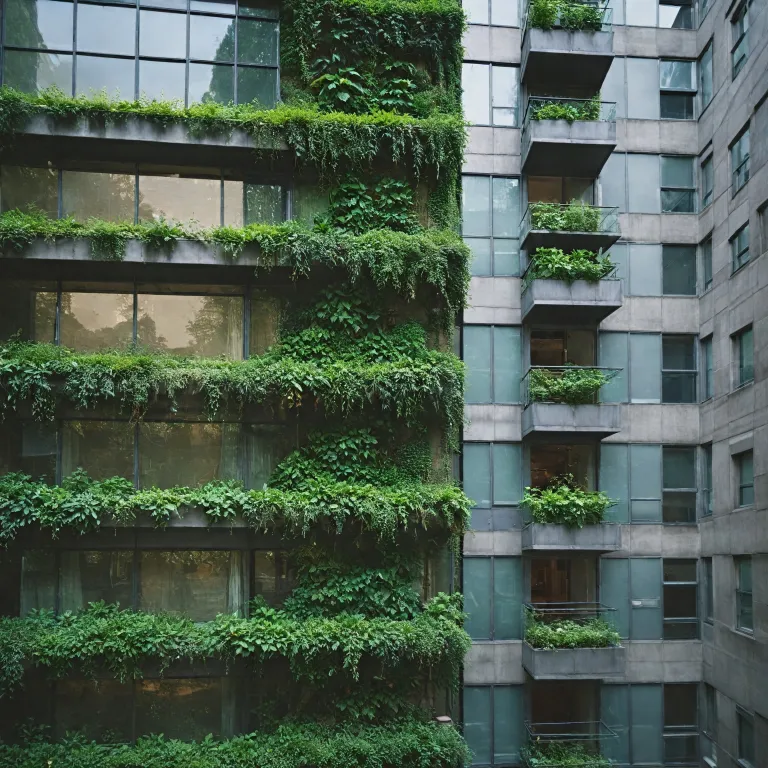
Green hotels in New York: redefining sustainability and guest experience
Green hotels in New York are transforming the hospitality landscape, combining luxury with environmental responsibility. These hotels, such as The Westin New York at Times Square and the InterContinental New York Times Square, have implemented advanced sustainability initiatives that minimize their carbon footprint while elevating the guest experience. Rooms and suites are designed to maximize natural light, often featuring floor to ceiling windows that offer stunning views of the city and central park, creating a harmonious balance between comfort and eco-consciousness.
Hotel guests can enjoy amenities like rain showers, queen beds, and spa facilities that use environmentally friendly products, including Malin Goetz toiletries. The integration of green spaces, such as rooftop gardens and park terraces, not only enhances the aesthetic appeal but also supports biodiversity within the urban environment. For asset managers and investors, these features signal a commitment to long-term value and compliance with evolving ESG standards, making green hotels in New York a model for responsible investment.
Midtown Manhattan properties are leading the way, with LEED-certified hotels setting benchmarks for energy efficiency and resource management. The focus on sustainable meetings and events spaces, equipped with advanced technology and natural ventilation, further demonstrates the sector’s dedication to reducing environmental impact. By prioritizing both guest comfort and environmental stewardship, green hotels in New York are redefining what it means to stay in a modern, responsible hotel.
ESG compliance and certification: building trust and transparency in New York’s hospitality sector
Environmental, social, and governance (ESG) compliance is at the heart of green hotels in New York, driving transparency and accountability across operations. Hotels like Conrad New York and Crosby Street Hotel have achieved LEED Gold certification, demonstrating their adherence to rigorous sustainability standards. These certifications are not merely symbolic; they require ongoing commitment to energy reduction, water conservation, and responsible sourcing throughout the hotel’s lifecycle.
For responsible RSE & ESG managers, the verification of these credentials is essential. As one expert notes, “Look for recognized certifications such as LEED or Green Seal, and review the hotel's official sustainability reports.” This approach ensures that claims of sustainability are substantiated, providing confidence to investors, asset managers, and public institutions. The number of LEED-certified hotels in New York City continues to rise, reflecting a broader industry shift toward measurable impact and continuous improvement.
Compliance extends beyond environmental metrics to include social responsibility, such as fair labor practices and community engagement. Green hotels in New York are increasingly partnering with local suppliers and supporting initiatives that benefit the wider community. For those seeking to understand the full scope of ESG in hospitality, resources like ESG reporting best practices offer valuable insights into effective strategies and compliance frameworks.
Innovative design and operations: integrating sustainability into every guest room and suite
Innovation is a defining feature of green hotels in New York, where design and operations are seamlessly integrated to promote sustainability. Guest rooms and suites are equipped with energy-efficient lighting, smart thermostats, and water-saving rain showers, ensuring that every stay minimizes environmental impact. The use of floor to ceiling windows not only provides breathtaking views of central park and the city skyline but also reduces the need for artificial lighting during daylight hours.
Terrace suites and park terrace rooms offer private outdoor spaces, allowing guests to connect with nature even in the heart of NYC. The inclusion of fitness centers and spa facilities with eco-friendly amenities, such as Malin Goetz products, further enhances the wellness experience for hotel guests. Art deco influences and natural materials create a sophisticated ambiance that reflects both the heritage and future of New York hospitality.
Operational excellence is achieved through advanced waste management, renewable energy integration, and continuous staff training on sustainable practices. Meetings and events spaces are designed for flexibility and efficiency, supporting both corporate and social gatherings with minimal environmental impact. For a deeper exploration of sustainable hotel operations, visit sustainable hospitality management to access case studies and best practices from leading green hotels in New York.
Guest engagement and the evolving expectations for sustainable stays in New York City
Today’s hotel guests are increasingly discerning, seeking accommodations that align with their values and expectations for sustainability. Green hotels in New York respond by offering immersive experiences that highlight their commitment to environmental stewardship. From guest rooms with queen beds and king suites featuring park views to spa treatments using organic products, every aspect of the stay is designed to promote well-being and sustainability.
Guests are encouraged to participate in green programs, such as towel reuse and recycling initiatives, which contribute to the hotel’s overall sustainability goals. As one expert advises, “Participate in the hotel's green programs, such as towel reuse and recycling.” This collaborative approach fosters a sense of shared responsibility, empowering guests to make a positive impact during their stay. The integration of local art, cuisine, and cultural experiences further enriches the guest journey, connecting visitors to the unique character of New York City.
For those interested in exploring the full range of sustainable offerings, the city’s green hotels provide detailed information on their websites and through dedicated sustainability reports.
Asset management, investment, and the business case for green hotels in New York
For asset managers and investors, green hotels in New York represent a compelling business case grounded in long-term value creation and risk mitigation. Sustainable practices, such as energy usage reduction and resource efficiency, directly contribute to operational savings and enhanced asset performance. The Westin New York at Times Square, for example, has achieved a 35% reduction in energy usage since 2008, demonstrating the tangible benefits of sustainability initiatives.
Investors are increasingly prioritizing ESG criteria when evaluating hotel assets, recognizing that compliance with environmental and social standards can drive higher occupancy rates and guest satisfaction. The presence of amenities like fitness centers, spa facilities, and terrace suites with panoramic views of central park appeals to a growing segment of eco-conscious travelers. These features not only differentiate green hotels in a competitive market but also support premium pricing and brand loyalty.
Strategic partnerships with organizations such as the U.S. Green Building Council and participation in programs like the NYC Carbon Challenge further reinforce the credibility and authority of green hotels in New York. By aligning investment strategies with sustainability objectives, stakeholders can unlock new opportunities for growth and resilience in the hospitality sector.
Compliance challenges and opportunities: navigating regulations and stakeholder expectations
The regulatory landscape for green hotels in New York is evolving rapidly, presenting both challenges and opportunities for compliance professionals. Hotels must navigate a complex web of local, national, and international standards, including LEED certification, energy codes, and reporting requirements. Proactive engagement with regulatory bodies and industry associations is essential to stay ahead of emerging trends and ensure ongoing compliance.
Responsible compliance officers and RSE managers play a critical role in monitoring performance, identifying areas for improvement, and communicating progress to stakeholders. Transparent reporting and third-party verification are key to building trust and demonstrating accountability. As one expert highlights, “Verify the hotel's sustainability certifications and initiatives before booking.” This diligence not only protects the hotel’s reputation but also enhances its appeal to discerning guests and investors.
Opportunities for innovation abound, from the adoption of renewable energy technologies to the integration of smart building systems that optimize resource use. By embracing a culture of continuous improvement and stakeholder engagement, green hotels in New York can turn compliance into a source of competitive advantage and industry leadership.
Future outlook: scaling sustainability and ESG impact across New York’s hotel industry
The future of green hotels in New York is defined by ambition and adaptability, as the sector seeks to scale its impact and set new benchmarks for sustainability. The growing number of LEED-certified hotels and the implementation of renewable energy sources reflect a citywide commitment to reducing the hospitality industry’s environmental footprint. As consumer demand for sustainable travel options continues to rise, hotels are responding with innovative offerings that cater to diverse preferences and needs.
Collaboration among stakeholders, including public institutions, consulting firms, and industry partners, is essential to drive systemic change and accelerate progress. The integration of sustainability into every aspect of hotel operations, from guest room design to meetings and events management, ensures that green hotels in New York remain at the forefront of ESG excellence. By fostering a culture of transparency, accountability, and continuous learning, the industry can inspire confidence and loyalty among guests, investors, and the wider community.
As the sector evolves, ongoing investment in technology, talent, and partnerships will be critical to sustaining momentum and achieving long-term goals. Green hotels in New York are not only setting new standards for hospitality but also shaping the future of sustainable urban living.
Key statistics on green hotels in New York
- There are 12 LEED-certified hotels in New York City.
- The Westin New York at Times Square has reduced energy usage by 35% since 2008.
Frequently asked questions about green hotels in New York
What is a green hotel?
A green hotel is an accommodation that implements environmentally friendly practices to reduce its carbon footprint and promote sustainability.
How can I verify a hotel's sustainability claims?
Look for recognized certifications such as LEED or Green Seal, and review the hotel's official sustainability reports.
Are green hotels more expensive?
Not necessarily. While some green hotels may have higher rates due to their initiatives, many offer competitive pricing, and the long-term savings from sustainable practices can offset initial costs.
Trusted sources for further information
- https://www.marriott.com/content/dam/marriott-digital/wi/us-canada/hws/n/nycsw/en_us/document/assets/wi-nycsw-sustainability-initiative-11462.pdf
- https://engine.com/travel-trends-tech/eco-friendly-stays-in-the-big-apple-new-yorks-top-leed-certified-hotels
- https://www.fourseasons.com/newyorkdowntown/services-and-amenities/sustainability/