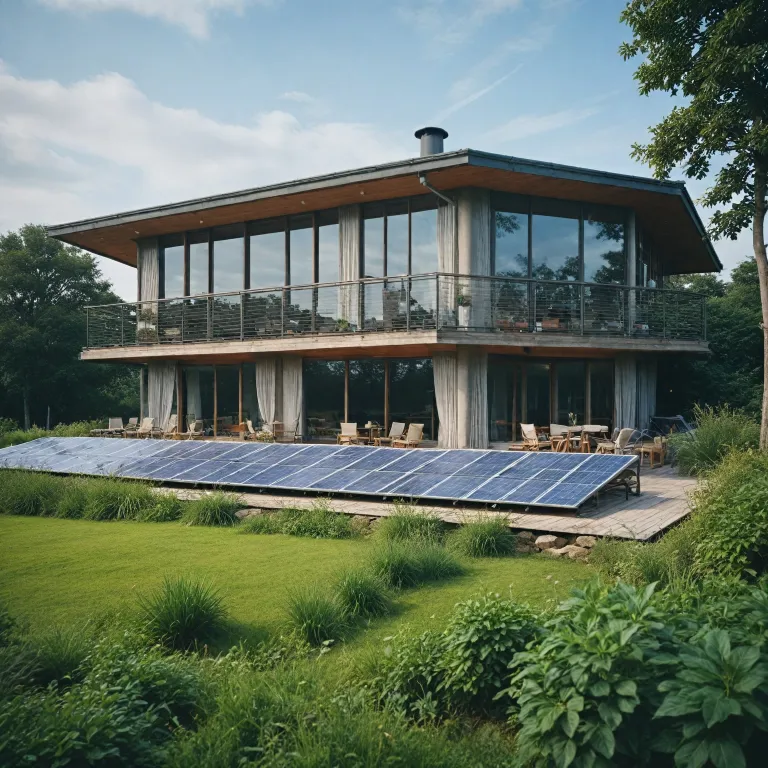
Renewable energy transformation in the hotel sector: a new era for sustainable hotels
Hotels that use renewable energy are redefining the landscape of sustainable hospitality. The transition from fossil fuels to renewable energy sources such as solar, wind, and hydroelectric power is now a strategic imperative for hotels, not just a trend. This shift is driven by the need to reduce energy consumption, lower carbon footprints, and respond to the growing expectations of guests, investors, and regulators regarding eco friendly practices.
High-profile examples like Crowne Plaza Copenhagen Towers and Hotel Marcel demonstrate how hotels can operate entirely on renewable energy. These hotels have integrated solar panels, advanced energy efficient systems, and green construction methods to minimize their environmental impact. The use of solar power and solar energy is not limited to electricity generation; it also supports water heating, lighting led systems, and even the operation of guest rooms.
Hotels resorts are increasingly adopting energy efficiency measures, such as led lighting and smart energy management systems, to further reduce energy consumption. Sustainable hotels are also focusing on waste reduction and water conservation, ensuring that every aspect of their operations aligns with sustainability goals. The adoption of renewable energy is not only about environmental responsibility but also about meeting the demands of eco conscious travelers who prioritize green hotels and sustainable stays.
Innovative technologies, such as battery storage and advanced solar panel facades, are enabling hotels to maximize their use of renewable energy. These systems ensure a reliable supply of electricity, even during periods of low solar or wind availability. As a result, hotels that use renewable energy are setting new benchmarks for the industry, inspiring others to follow suit and embrace sustainable practices.
Integrating ESG and compliance in hotels: aligning energy strategies with global standards
For hotel management, asset managers, and compliance officers, integrating ESG (Environmental, Social, and Governance) principles is essential for long-term success. Hotels that use renewable energy are at the forefront of this movement, aligning their operations with international sustainability frameworks and regulatory requirements. The adoption of renewable energy systems, such as solar panels and wind turbines, supports compliance with evolving environmental standards and reporting obligations.
Radisson Hotel Group and Hyatt Hotels Corporation exemplify how large hotel chains are leveraging renewable energy certificates (RECs) to offset their energy consumption and achieve sustainability targets. By purchasing RECs, hotels can ensure that a portion of their electricity comes from renewable sources, even if on-site generation is not feasible. This approach allows hotels to demonstrate their commitment to sustainability and reduce their carbon footprint.
Compliance with sustainability standards also involves transparent reporting and third-party certifications. Many sustainable hotels pursue LEED or Green Key certifications to validate their eco friendly practices and energy efficient operations. These certifications provide assurance to guests, investors, and regulators that the hotel is committed to reducing energy consumption and promoting green practices. For further insights on compliance and ESG integration, explore our dedicated resource on ESG compliance in hospitality.
Hotels resorts are also engaging with local communities and stakeholders to ensure that their sustainability initiatives have a positive impact beyond their own operations. By sourcing local materials, supporting local economies, and investing in community projects, hotels can enhance their social and environmental contributions. This holistic approach to sustainability strengthens the hotel's reputation and supports long-term value creation.
Innovative technologies driving energy efficiency in hotels
The adoption of innovative technologies is central to the success of hotels that use renewable energy. Solar panels, energy efficient HVAC systems, and advanced building management systems are transforming the way hotels manage their energy consumption. These technologies enable hotels to optimize their use of renewable energy, reduce waste, and improve overall sustainability performance.
Proximity Hotel in Greensboro stands out as a pioneer in integrating high-performance energy systems and sustainable construction methods. The hotel utilizes solar panels for water heating, led lighting throughout guest rooms and public spaces, and a comprehensive energy management system to monitor and control energy usage. These measures have resulted in significant reductions in energy consumption and operational costs.
Battery energy storage systems are another key innovation, allowing hotels to store excess solar power for use during peak demand periods or when sunlight is unavailable. This ensures a consistent supply of renewable electricity and enhances the resilience of the hotel's energy system. For a deeper dive into the latest technological advancements in sustainable hospitality, visit our feature on innovative energy solutions for hotels.
Hotels resorts are also exploring the use of smart water management systems to minimize water waste and improve efficiency. By integrating these technologies, sustainable hotels can achieve higher levels of energy efficiency, reduce their reliance on fossil fuels, and provide guests with a truly eco friendly experience. The combination of renewable energy, advanced technology, and sustainable design is setting a new standard for the industry.
Guest experience and the value of sustainable stays in green hotels
Guests are increasingly seeking hotels that use renewable energy and prioritize sustainability. The guest experience is enhanced by eco friendly practices, such as energy efficient guest rooms, led lighting, and locally sourced amenities. Sustainable hotels are responding to this demand by offering green stays that combine comfort, luxury, and environmental responsibility.
Hotels resorts are investing in education and engagement initiatives to inform guests about their sustainability efforts. Information about solar powered systems, waste reduction programs, and water conservation measures is often provided in guest rooms and public areas. This transparency helps guests understand the impact of their stay and encourages them to participate in eco friendly practices.
El Blok Hotel in Puerto Rico and URBN Hotel Shanghai are notable examples of hotels that have successfully integrated sustainability into the guest experience. These hotels offer unique design elements, local materials, and innovative energy systems that reflect their commitment to renewable energy and sustainable construction. Guests appreciate the opportunity to support hotels that align with their values and contribute to a greener future.
Hotels that use renewable energy are also leveraging digital platforms to communicate their sustainability achievements and engage with guests before, during, and after their stay. This approach builds loyalty and attracts environmentally conscious travelers who prioritize sustainable stays.
Operational challenges and solutions for implementing renewable energy in hotels
Transitioning to renewable energy presents several operational challenges for hotels, including the initial investment, integration with existing systems, and ongoing maintenance. However, the long-term benefits of reduced energy consumption, lower operating costs, and enhanced sustainability far outweigh these challenges. Hotels that use renewable energy are adopting a phased approach, starting with energy audits and feasibility studies to identify the most effective solutions.
Host Hotels & Resorts, Inc. demonstrates how a strategic approach to renewable energy can drive significant results. The company prioritizes on-site generation and market-based solutions, aiming to source 50% of its electricity from renewable sources. This commitment requires careful planning, investment in high-quality solar panels and energy efficient systems, and collaboration with technology partners.
Hotels resorts must also navigate regulatory requirements and secure the necessary permits for renewable energy installations. Engaging with local authorities and stakeholders is essential to ensure compliance and address any concerns related to construction or environmental impact. Training staff and building a culture of sustainability are critical for the successful implementation of eco friendly practices and energy efficient operations.
By sharing best practices and lessons learned, hotels that use renewable energy can support others in the industry on their sustainability journey. Collaboration with industry associations, technology providers, and local communities is key to overcoming challenges and achieving long-term success in sustainable hospitality.
Future outlook: scaling up renewable energy adoption in hotels and resorts
The future of sustainable hospitality depends on the widespread adoption of renewable energy across hotels and resorts. As technology advances and costs decrease, more hotels are expected to invest in solar power, wind energy, and other renewable sources. This trend is supported by increasing consumer demand for green hotels and sustainable stays, as well as regulatory pressures to reduce carbon emissions and energy consumption.
FIVE Hotels and Resorts exemplify the next generation of sustainable hotels, with all properties designed to achieve net zero electricity usage. The integration of solar panels, energy efficient systems, and eco friendly construction methods is becoming the norm for new hotel developments. Existing hotels are also retrofitting their operations to incorporate renewable energy and improve energy efficiency.
Industry collaboration and knowledge sharing are essential for accelerating the transition to renewable energy. Partnerships with organizations such as the U.S. Green Building Council and Green-e Energy provide hotels with access to best practices, certification programs, and technical support. As more hotels embrace renewable energy, the hospitality industry will play a leading role in advancing global sustainability goals.
In the words of the expert dataset: "RECs are proof that 1 megawatt-hour (MWh) of electricity has been generated from a renewable energy source and fed into the grid. They allow organizations to offset their energy consumption by supporting renewable energy generation." This highlights the importance of both on-site generation and market-based solutions in achieving sustainability objectives.
Key statistics: renewable energy adoption in hotels
- 6.6% of hotels generate power onsite from renewable sources.
- 14 Hyatt-owned U.S. hotels have transitioned to 100% renewable electricity.
- Radisson Hotel Group ranked 37th in Sustainability Magazine’s Top 250 World’s Most Sustainable Companies.
Frequently asked questions about hotels that use renewable energy
What are Renewable Energy Certificates (RECs)?
RECs are proof that 1 megawatt-hour (MWh) of electricity has been generated from a renewable energy source and fed into the grid. They allow organizations to offset their energy consumption by supporting renewable energy generation.
How can travelers identify eco-friendly hotels?
Travelers can look for hotels with recognized sustainability certifications such as LEED, Green Key, or EarthCheck. Additionally, hotels often provide information about their environmental initiatives on their websites.
Why is it important for hotels to use renewable energy?
Hotels are significant energy consumers. By using renewable energy, they can reduce their carbon footprint, contribute to global sustainability efforts, and meet the growing demand from consumers for environmentally responsible accommodations.