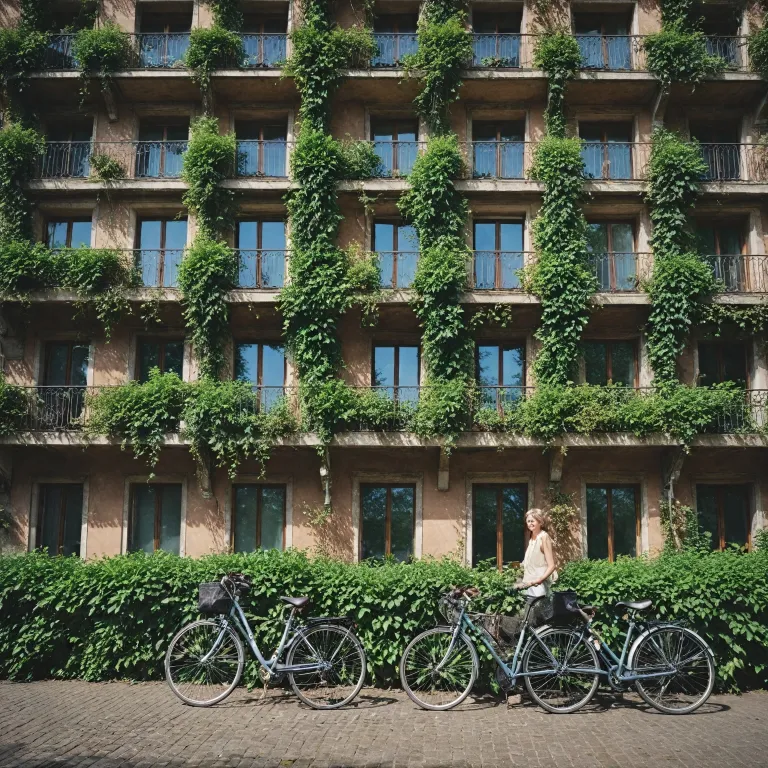
Driving environmental responsibility: the rise of sustainable hotels in Brussels
Brussels has emerged as a leading city for sustainable hotel practices, with a growing number of hotels embracing green certifications to reduce their environmental impact. The city centre, including the iconic Grand Place area, is home to hotels that prioritise energy consumption reduction, waste management, and water saving initiatives. Sustainable hotels in Brussels are not only responding to regulatory pressures but also to the increasing expectations of guests, asset managers, and public institutions for eco friendly operations. The integration of the Green Key label, an internationally recognised eco-certification, has become a key differentiator for hotels in Brussels city, especially for those seeking to demonstrate environmental and social responsibility.
Hotels Brussels, such as the renowned Thon Hotel and Stanhope Hotel, have adopted comprehensive environmental management systems. These systems address every aspect of hotel operations, from cleaning products to food waste reduction and responsible sourcing for breakfast and other meals. The commitment to sustainable hotel practices is evident in the city centre, where establishments are not only reducing their carbon footprint but also actively engaging guests in green initiatives. The adoption of the Green Key label is a testament to Brussels hotels’ dedication to environmental responsibility and their ambition to lead the hospitality industry in sustainable transformation.
Green Key certification: a benchmark for sustainable hotels in Brussels
The Green Key certification stands as a benchmark for sustainable hotels in Brussels, providing a clear framework for environmental responsibility and social responsibility. This internationally recognised label is awarded to hotels that meet stringent criteria in areas such as energy consumption, water management, and waste management. The certification process involves rigorous on-site audits and compliance checklists, ensuring that each hotel Brussels meets the highest standards of eco friendly operations. The Green Key label is not only a mark of environmental excellence but also a valuable asset for asset managers and investors seeking to align with ESG objectives.
Hotels in Brussels city, including Thon Hotels and Stanhope Hotel, have embraced the Green Key certification as a means to enhance their reputation and attract environmentally conscious guests. The certification process encourages hotels to implement innovative practices, such as reducing food waste, optimising cleaning products, and promoting energy saving measures throughout the property. The collaboration between local coordinators like GoodPlanet Belgium and Canopea ensures that the certification process is robust and tailored to the unique challenges of the Brussels hospitality sector. For more insights on how hotels are leveraging green certifications to drive value, visit this resource on sustainable hotel strategies.
Key strategies for reducing environmental impact in Brussels hotels
Effective environmental impact reduction in hotels Brussels requires a holistic approach that addresses every aspect of hotel operations. Energy consumption is a critical focus, with many sustainable hotels in Brussels city centre investing in energy efficient lighting, heating, and cooling systems. Water saving initiatives, such as low-flow fixtures and greywater recycling, are increasingly common in both large and boutique hotels. Waste management is another priority, with hotels implementing comprehensive recycling programmes and partnering with local organisations to minimise landfill contributions.
Food waste reduction has become a central pillar of sustainable hotel practices, particularly in breakfast and dining areas. Hotels are adopting portion control, sourcing local and seasonal food, and collaborating with food banks to redistribute surplus. The use of eco friendly cleaning products further reduces the environmental impact of daily operations. For a deeper exploration of waste management and food waste solutions in Brussels hotels, refer to this in-depth analysis of sustainable hospitality practices. These strategies not only support the city’s environmental goals but also enhance the guest experience by promoting transparency and responsibility.
Social responsibility and stakeholder engagement in sustainable hotels
Social responsibility is integral to the sustainable hotel movement in Brussels. Hotels are engaging with a wide range of stakeholders, including guests, employees, local communities, and public institutions, to foster a culture of environmental responsibility. Training programmes for staff focus on best practices in energy saving, waste management, and the use of green cleaning products. Guests are encouraged to participate in sustainability initiatives, such as reusing towels, reducing food waste, and supporting local eco friendly businesses in the city centre and Grand Place area.
Asset managers and investors are increasingly prioritising hotels that demonstrate a strong commitment to social responsibility and ESG compliance. The Green Key label serves as a key indicator of a hotel’s dedication to these principles. Collaboration with local partners, such as Visit Brussels and the Brussels Hotels Association, amplifies the impact of sustainability initiatives and ensures alignment with broader city and regional goals. The integration of social responsibility into every facet of hotel operations strengthens the reputation of Brussels as a leader in sustainable hospitality.
Innovative practices and the future of sustainable hotels in Brussels
Innovation is driving the evolution of sustainable hotels in Brussels, with new technologies and practices continually being adopted to further reduce environmental impact. Smart energy management systems, real-time monitoring of energy consumption, and advanced waste sorting technologies are becoming standard in leading hotels. The focus on reducing the carbon footprint extends to mobility solutions, with many hotels offering bicycle rentals, electric vehicle charging stations, and incentives for guests who use public transportation.
Hotels Brussels are also exploring new approaches to food sourcing, prioritising local, organic, and fair-trade products for breakfast and dining services. The integration of green spaces within hotel properties enhances biodiversity and provides guests with a tangible connection to nature. As the number of Green Key certified establishments continues to grow, the city is setting a benchmark for sustainable hotel practices across Europe.
Measuring success: certification, compliance, and continuous improvement
The success of sustainable hotels in Brussels is measured through a combination of certification, compliance, and ongoing improvement. The Green Key label provides a structured framework for hotels to assess and enhance their environmental and social responsibility. Regular audits and environmental impact assessments ensure that hotels maintain high standards in energy consumption, water saving, and waste management. The commitment to continuous improvement is evident in the increasing number of hotels Brussels achieving and maintaining Green Key certification.
As of the latest data, 70 establishments in Brussels hold the Green Key label, representing a 71% increase since the previous assessment period. This growth reflects the city’s dedication to reducing its carbon footprint and promoting eco friendly hospitality. The quote, “Choosing Green Key certified hotels ensures that travelers are supporting establishments committed to reducing their environmental impact and promoting sustainable tourism,” underscores the importance of certification for both hotels and guests. The ongoing collaboration between hotels, local coordinators, and public institutions ensures that Brussels remains at the forefront of sustainable hotel practices, setting a standard for cities worldwide.
Key statistics on sustainable hotels and green certifications in Brussels
- Number of Green Key certified establishments in Brussels: 70
- Percentage increase in Green Key certified establishments since previous period: 71%
- Percentage of hotel rooms in Brussels that are Green Key certified: 39%
Frequently asked questions about sustainable hotels and green certifications in Brussels
What is the Green Key certification?
Green Key is an international eco-label awarded to tourism establishments that meet strict environmental management criteria.
How can a hotel obtain Green Key certification?
Hotels can obtain Green Key certification by complying with criteria related to environmental management, waste, water, and energy management, and undergoing regular audits.
Why should travelers choose Green Key certified hotels?
Choosing Green Key certified hotels ensures that travelers are supporting establishments committed to reducing their environmental impact and promoting sustainable tourism.