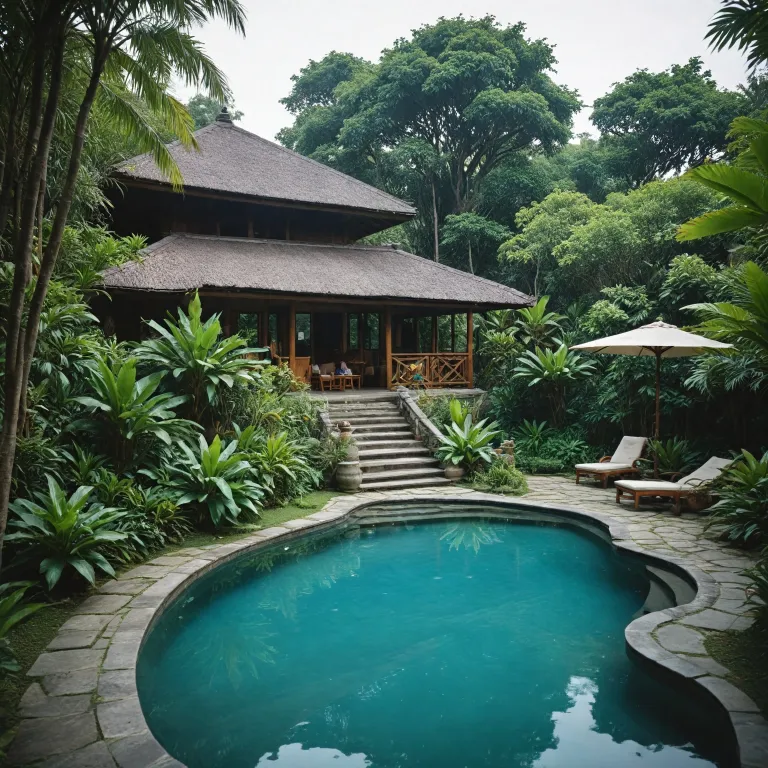
Eco friendly hotels in Bali: redefining luxury and sustainability
Eco friendly hotels in Bali have set a new standard for sustainable hospitality, blending luxury with environmental stewardship. These resorts and hotels are not only designed to minimize their ecological footprint but also to provide guests with an immersive experience in Bali’s natural beauty. From open air villas to resort spa sanctuaries, every aspect is crafted to harmonize with the island’s lush environment. The best eco resorts in Bali, such as Bambu Indah and Fivelements Retreat, utilize bamboo architecture, natural swimming pools, and locally sourced materials to create a sense of place that is both authentic and eco conscious.
Luxury and sustainability coexist seamlessly in these eco friendly hotels, where guests can enjoy spa treatments using natural ingredients and dine on organic cuisine sourced from local farms. The senses are heightened by the tranquil surroundings, whether at a retreat in Ubud or a resort perched above the cliffs of Uluwatu Bali. Eco conscious travelers are increasingly seeking these experiences, recognizing that their stay can contribute positively to the local community and environment. The integration of sustainable practices, such as solar energy and water conservation, ensures that each eco stay leaves a minimal impact while maximizing guest comfort and well-being.
For asset managers and investors, the rise of eco friendly hotels in Bali represents a compelling opportunity to align financial returns with ESG objectives. The commitment to sustainability is not just a marketing angle; it is embedded in operational processes, from waste management to the use of locally sourced products. As the demand for eco luxury accommodations grows, these hotels are setting benchmarks for responsible travel and redefining what it means to be the best in the hospitality sector.
Integrating ESG and compliance in Bali’s eco resorts
ESG (Environmental, Social, and Governance) integration is at the heart of Bali’s eco resort movement. Resorts Bali-wide, including iconic names like Suarga Padang and Alila Villas, have adopted robust frameworks to ensure compliance with international sustainability standards. These frameworks address not only environmental impact but also social responsibility and transparent governance, making them attractive to institutional investors and public bodies focused on long-term value creation. The implementation of eco conscious policies, such as the use of solar panels and rainwater harvesting, demonstrates a commitment to reducing resource consumption and protecting Bali’s fragile ecosystems.
Compliance officers and RSE managers are increasingly tasked with verifying that eco friendly hotels in Bali adhere to both local regulations and global best practices. This includes regular audits of water usage, waste management, and the sourcing of materials for resort spa facilities and villas Uluwatu. The best eco resorts are transparent about their sustainability metrics, publishing annual reports and engaging with stakeholders to ensure continuous improvement. For example, Suarga Padang Padang’s use of bamboo and solar energy is publicly documented, providing assurance to guests and investors alike.
For those seeking to benchmark their own properties, resources such as ESG compliance in hospitality offer valuable insights into the evolving landscape of sustainable travel. By aligning with the highest standards, Bali eco hotels not only enhance their reputation but also contribute to the global movement toward responsible tourism. The integration of ESG and compliance is no longer optional; it is a defining characteristic of the best eco friendly hotels in Bali.
Innovative sustainable practices: from water management to locally sourced cuisine
Innovation is a hallmark of eco friendly hotels in Bali, where sustainable practices are continuously refined to meet the highest standards. Water management is a critical focus, with resorts implementing advanced filtration systems, rainwater harvesting, and greywater recycling to reduce consumption. Natural swimming pools, such as those at Bambu Indah, eliminate the need for chemicals and provide a healthier, more eco conscious experience for guests. These initiatives not only conserve resources but also set a benchmark for other hotels in the region.
Locally sourced cuisine is another pillar of sustainability in Bali eco resorts. Chefs collaborate with nearby farmers and fishermen to create menus that celebrate the island’s rich biodiversity while supporting local economies. The use of organic, seasonal ingredients reduces the carbon footprint associated with food transportation and ensures that guests enjoy the freshest flavors. At Fivelements Retreat, plant-based dining and holistic wellness programs are seamlessly integrated, offering a retreat that nourishes both body and spirit.
For those interested in the intersection of sustainability and luxury, eco luxury travel in Bali provides a comprehensive overview of the best eco friendly hotels and their innovative practices. These resorts are not only places to stay but also living laboratories for sustainable hospitality, demonstrating how eco conscious design and operations can deliver exceptional guest experiences. The commitment to innovation ensures that Bali remains at the forefront of the global eco resort movement.
Guest experience: connecting with nature and culture
The guest experience at eco friendly hotels in Bali is defined by a deep connection to nature and local culture. Open air villas and resort spa facilities are designed to immerse guests in the sights, sounds, and scents of the island, fostering a sense of tranquility and well-being. Activities such as guided nature walks, traditional Balinese ceremonies, and wellness retreats allow guests to engage with the environment and community in meaningful ways. The senses are awakened by the natural beauty of Uluwatu Bali, the serenity of Padang, and the lush landscapes surrounding each eco stay.
Eco conscious travelers are increasingly seeking authentic experiences that go beyond conventional luxury. The best eco resorts in Bali, such as Puri Dajuma and Suarga Padang, offer curated programs that highlight local traditions, sustainable agriculture, and conservation efforts. Guests are encouraged to participate in workshops on bamboo construction, organic gardening, and water conservation, deepening their understanding of the island’s unique challenges and opportunities. These experiences not only enrich the stay but also inspire guests to adopt more sustainable practices in their own lives. As one expert notes, "You can verify a hotel's sustainability practices by checking for certifications, reading reviews, and visiting their official website for detailed information." This approach ensures that every aspect of the guest experience aligns with the principles of eco friendly travel and responsible tourism.
Investment and asset management in Bali’s eco hospitality sector
The rise of eco friendly hotels in Bali presents significant opportunities for asset managers, investors, and advisory firms. The growing demand for eco conscious accommodations is driving innovation in design, operations, and guest services, creating a competitive advantage for properties that prioritize sustainability. Investors are increasingly evaluating hotels based on their ESG performance, recognizing that eco luxury and responsible governance are key drivers of long-term value. The integration of sustainable practices, such as energy-efficient infrastructure and locally sourced materials, reduces operational costs and enhances brand reputation.
Asset managers must navigate a complex landscape of regulations, certifications, and stakeholder expectations. The best eco resorts in Bali, including Alila Villas and Fivelements Retreat, have demonstrated that it is possible to achieve both financial returns and positive environmental impact. By adopting transparent reporting and engaging with local communities, these hotels build trust with guests, regulators, and investors alike. The use of natural materials, open air designs, and water-saving technologies further strengthens their position as leaders in the eco resort sector.
For those seeking to invest in or manage eco friendly hotels in Bali, it is essential to stay informed about emerging trends and best practices. Resources such as industry reports and sustainability benchmarks provide valuable guidance for making informed decisions. The alignment of investment strategies with the principles of eco friendly travel ensures that Bali’s hospitality sector continues to thrive while preserving the island’s natural and cultural heritage.
Challenges and future outlook for eco friendly hotels in Bali
Despite significant progress, eco friendly hotels in Bali face ongoing challenges related to resource management, regulatory compliance, and market differentiation. Water scarcity, waste disposal, and the preservation of natural habitats require continuous innovation and collaboration among stakeholders. Compliance officers and ESG managers must ensure that hotels not only meet but exceed local and international standards, fostering a culture of accountability and transparency. The best eco resorts are proactive in addressing these challenges, investing in new technologies and engaging with local communities to drive positive change.
The future of eco friendly hotels in Bali is shaped by evolving guest expectations, technological advancements, and global sustainability trends. As travelers become more discerning, hotels must offer authentic experiences that reflect the island’s unique character and commitment to sustainability. The integration of digital tools, such as real-time monitoring of water and energy usage, enhances operational efficiency and guest satisfaction. The continued rise of eco conscious travel is expected to drive further investment in eco luxury accommodations, positioning Bali as a global leader in sustainable hospitality.
For industry leaders, the path forward involves embracing innovation, fostering partnerships, and maintaining a relentless focus on sustainability. The lessons learned from Bali’s best eco resorts can serve as a blueprint for other destinations seeking to balance growth with environmental stewardship. As one expert advises, "Research the sustainability practices of hotels before booking. Consider the environmental impact of your travel choices. Support local communities by choosing accommodations that engage in fair trade and local sourcing."
Key statistics on eco friendly hotels in Bali
- 70% of travelers are seeking eco-friendly accommodations.
- There has been a notable rise in eco-friendly accommodations and increased traveler awareness of sustainability.
- Integration of local culture and sustainability is a defining trend in Bali’s hospitality sector.
Frequently asked questions about eco friendly hotels in Bali
What are some eco-friendly hotels in Bali?
Some eco-friendly hotels in Bali include Bambu Indah, COMO Shambhala Estate, Fivelements Retreat Bali, and Suarga Padang Padang.
What sustainable practices do these hotels implement?
These hotels implement practices such as using bamboo architecture, solar energy, natural swimming pools, and organic, locally sourced food.
How can I verify a hotel's sustainability practices?
You can verify a hotel's sustainability practices by checking for certifications, reading reviews, and visiting their official website for detailed information.