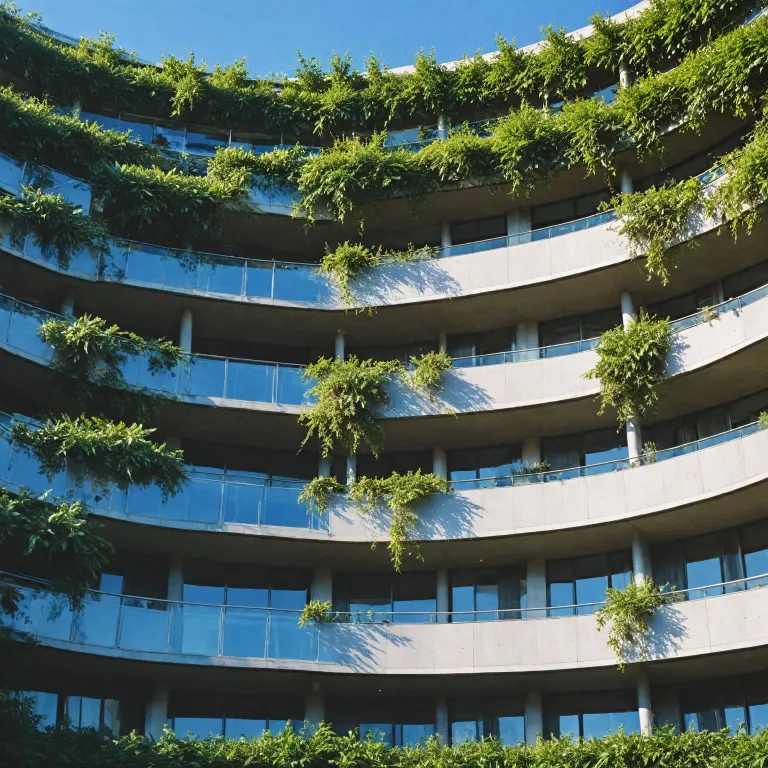
Green building design as a catalyst for sustainable hotels
Hotels with green building design are redefining the hospitality landscape by integrating sustainability, energy efficiency, and environmental stewardship into every aspect of their properties. These hotels, ranging from luxury establishments to boutique inns, are increasingly recognized for their commitment to sustainable practices and eco friendly features. The adoption of green building materials, efficient lighting, and advanced energy water management systems is not only a response to regulatory requirements but also a strategic move to attract environmentally conscious guests and investors. In cities like Los Angeles and Jackson Hole, properties such as the Proximity Hotel and Hotel Terra Jackson exemplify how sustainable hotels can achieve both operational excellence and environmental responsibility.
Green building design in hotels involves more than just architectural innovation; it encompasses a holistic approach to sustainability that includes water conservation, waste reduction, and the use of renewable energy. LEED certified hotels, such as the ITC Grand Chola Hotel and Seda Vertis North, demonstrate how gold certification and platinum standards can be achieved through meticulous planning and execution. These properties utilize eco friendly building materials, efficient lighting systems, and natural ventilation to minimize their environmental footprint while enhancing guest comfort. The integration of spa facilities and luxury amenities within these sustainable hotels further illustrates that environmental responsibility and guest satisfaction are not mutually exclusive.
For asset managers, investors, and compliance officers, the business case for hotels with green building design is compelling. Sustainable practices not only reduce operational costs through energy efficient technologies but also enhance brand reputation and asset value. As the demand for eco friendly accommodations grows, properties that prioritize green features and environmental certification are better positioned to meet evolving market expectations and regulatory standards.
Key certifications and standards driving green hotels
Certifications such as LEED, Green Seal, and other environmental standards play a pivotal role in shaping the sustainability agenda for hotels with green building design. Achieving LEED gold certification or platinum status requires a comprehensive approach to energy water management, sustainable building materials, and efficient lighting solutions. The Proximity Hotel, for example, stands as the first LEED Platinum-certified hotel in the United States, setting a benchmark for energy efficient and eco friendly hospitality. With over 100 solar panels and a 41% reduction in energy consumption compared to conventional hotels, it exemplifies the tangible benefits of green certification.
Green Seal certification further reinforces a hotel's commitment to sustainable practices by evaluating operational procedures, water conservation efforts, and the use of environmentally responsible products. Hotels in major urban centers like Los Angeles are increasingly seeking these certifications to demonstrate their leadership in sustainability and compliance. The integration of green features such as low-flow water fixtures, energy management systems, and natural landscaping not only supports environmental goals but also enhances the guest experience.
For compliance managers and RSE & ESG officers, understanding the nuances of these certifications is essential for aligning hotel operations with global best practices. The journey toward certification involves rigorous audits, continuous improvement, and stakeholder engagement. By partnering with organizations like the U.S. Green Building Council and the Global Sustainable Tourism Council, hotels can access resources and expertise to advance their sustainability objectives. For further insights into sustainable hotel certification, explore our comprehensive guide on sustainable hotel certification processes.
Innovative sustainable practices in luxury and boutique hotels
Luxury hotels and boutique properties are at the forefront of integrating innovative sustainable practices within their green building design. The ITC Grand Chola Hotel and Hotel Terra Jackson are prime examples of how luxury and eco friendly can coexist, offering guests spa experiences, natural materials, and energy efficient amenities. These hotels prioritize water conservation through advanced systems, such as rainwater harvesting and greywater recycling, ensuring that every drop is utilized efficiently.
Building materials play a crucial role in the environmental performance of hotels. The use of recycled, locally sourced, and low-emission materials not only reduces the carbon footprint but also supports local economies. Efficient lighting systems, such as LED technology, are standard features in sustainable hotels, contributing to significant energy savings and enhanced ambiance. The Palazzo in Las Vegas, with its LEED Silver certification, has achieved a 10% reduction in energy consumption through such measures.
For asset managers and investors, the integration of sustainable practices within luxury hotels presents a unique value proposition. These properties not only comply with environmental regulations but also appeal to discerning guests seeking eco friendly and socially responsible experiences. To learn more about the intersection of luxury and sustainability, visit our article on luxury sustainable hotel innovations.
Water conservation and energy efficiency: operational imperatives
Water conservation and energy efficiency are operational imperatives for hotels with green building design. Sustainable hotels implement a range of measures, from low-flow fixtures to advanced energy management systems, to optimize resource use and minimize waste. The Proximity Hotel's achievement of a 41% energy reduction is a testament to the effectiveness of these strategies. Efficient lighting, solar panels, and green roofs are now standard features in many eco friendly properties, contributing to both environmental and financial performance.
Energy water management is not limited to technology; it also involves staff training, guest engagement, and continuous monitoring. Hotels with green building design often provide guests with information on sustainable practices and encourage participation in energy and water conservation programs. This collaborative approach fosters a culture of environmental responsibility and enhances the overall guest experience. Properties in regions like Jackson Hole and Los Angeles are leading the way by integrating these practices into their daily operations.
For compliance officers and RSE & ESG managers, tracking performance metrics and reporting on energy water usage are critical components of sustainability reporting. The use of digital platforms and smart technologies enables real-time monitoring and data-driven decision-making.
Case studies: global leaders in green hotel design
Examining case studies of global leaders in green hotel design provides valuable insights for industry stakeholders. The Proximity Hotel in Greensboro, North Carolina, is renowned for its LEED Platinum certification, 100 solar panels, and innovative use of sustainable building materials. Its commitment to energy efficient operations and eco friendly features has set a new standard for sustainable hotels worldwide. Similarly, Hotel Terra Jackson in Jackson Hole integrates natural materials, efficient lighting, and advanced water conservation systems to deliver a luxury experience with minimal environmental impact.
In Asia, the ITC Grand Chola Hotel and Seda Vertis North have achieved gold and platinum certifications by implementing comprehensive sustainability strategies. These properties utilize renewable energy, eco friendly spa facilities, and green features such as green roofs and biophilic design elements. The Populus Hotel in Denver stands out as the nation's first carbon-positive hotel, demonstrating the potential for hotels with green building design to go beyond neutrality and actively contribute to environmental restoration.
These case studies highlight the importance of leadership, innovation, and collaboration in advancing sustainability within the hospitality sector. Asset managers, investors, and public institutions can draw lessons from these examples to inform their own strategies and drive continuous improvement in sustainable hotel development.
Future trends and compliance challenges in sustainable hotel development
The future of hotels with green building design is shaped by evolving trends and compliance challenges. Increased adoption of renewable energy sources, the pursuit of LEED certification, and the integration of biophilic design elements are transforming the industry. The development of carbon-neutral and carbon-positive hotels, such as the Populus Hotel, signals a shift toward more ambitious environmental goals. Compliance with local and international regulations remains a critical concern for hotel operators, requiring ongoing investment in sustainable practices and transparent reporting.
For responsible compliance officers, RSE & ESG managers, and asset managers, staying abreast of regulatory changes and emerging best practices is essential. The implementation of rule evenodd principles, efficient lighting, and advanced building materials ensures that hotels remain at the forefront of sustainability and environmental compliance. Collaboration with industry partners, certification bodies, and local communities is key to achieving long-term success.
As guest expectations continue to evolve, hotels with green building design must balance luxury, comfort, and environmental responsibility. The integration of eco friendly features, spa amenities, and natural materials will remain central to the guest experience. By prioritizing sustainability, hotels can enhance their competitive advantage and contribute to a more sustainable future for the hospitality industry.
Key statistics on hotels with green building design
- Proximity Hotel achieved a 41% reduction in energy use compared to conventional hotels.
- The Palazzo realized a 10% energy savings due to its green design.
- Proximity Hotel utilizes 100 solar panels as part of its energy strategy.
Frequently asked questions about hotels with green building design
What is a green building design in hotels?
Green building design in hotels refers to the incorporation of environmentally sustainable practices and materials in the construction and operation of hotel facilities to reduce their environmental impact.
Why are hotels adopting green building designs?
Hotels are adopting green building designs to reduce their environmental footprint, achieve cost savings through energy efficiency, comply with regulations, and meet the growing demand from eco-conscious travelers.
What are some examples of green building features in hotels?
Examples include the use of renewable energy sources like solar panels, energy-efficient lighting and HVAC systems, water conservation fixtures, sustainable building materials, and waste reduction programs.
Trusted sources for sustainable hotel practices and certifications
- U.S. Green Building Council: https://www.usgbc.org/
- Global Sustainable Tourism Council: https://www.gstcouncil.org/
- Green Seal: https://www.greenseal.org/