Eco lodges in South America: Setting benchmarks for sustainability and ESG compliance
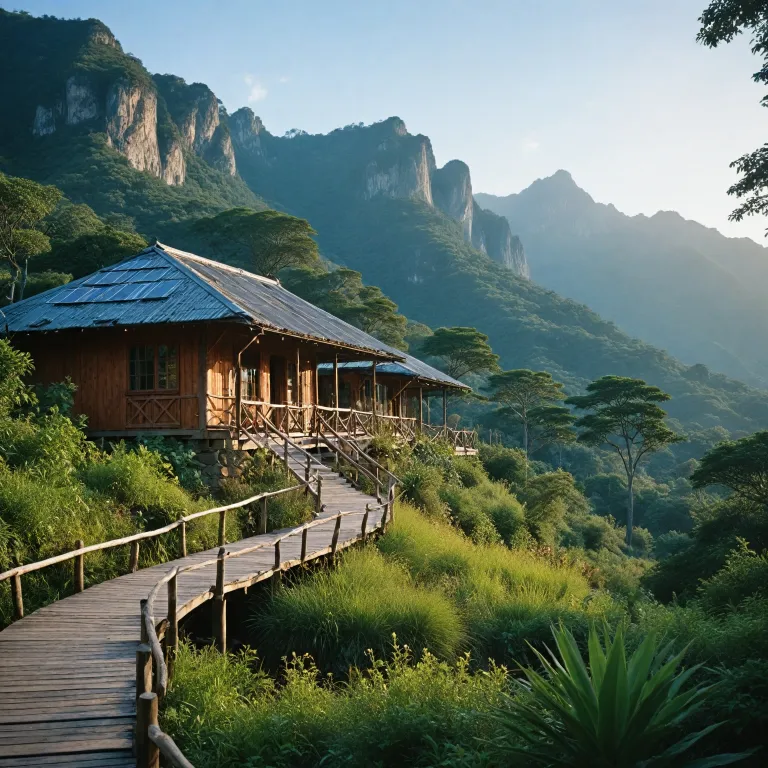
South America’s best eco lodges are redefining the standards for sustainability, ESG, and compliance in the hospitality sector. These lodges, such as Mashpi Lodge, Inkaterra Reserva Amazonica, and Tambopata Research Center, integrate eco-friendly infrastructure and renewable energy sources to minimize their environmental footprint. Their commitment extends beyond architecture, encompassing partnerships with local communities and conservation organizations to ensure that both nature and people benefit from responsible tourism.
Asset managers and investors are increasingly prioritizing properties that demonstrate measurable ESG outcomes. The best eco lodges in South America excel in this regard, offering transparent reviews and guest feedback that highlight their positive impact on wildlife, rainforest preservation, and community development. For example, Mashpi Lodge, nestled in Ecuador’s cloud forest, is renowned for its biodiversity, with over 500 bird species recorded in the area. This focus on nature and wildlife viewing is not only a draw for guests but also a key metric for ESG reporting and compliance audits.
For compliance officers and RSE managers, the integration of sustainable practices is not just a marketing tool but a necessity for regulatory alignment. These lodges often undergo rigorous third-party audits to ensure adherence to international standards, providing assurance to institutional investors and public bodies. The growing trend of day tours and wildlife-focused experiences, such as those offered at Ecocamp Patagonia and Yacutinga Lodge, further reinforces the importance of sustainable operations in sensitive ecosystems like Patagonia, the Amazon, and the national parks of South America.
Innovative approaches to environmental stewardship in eco lodges
Innovation is at the heart of the best eco lodges in South America, where luxury and minimal environmental impact coexist. Lodges like Mashpi Lodge and Pikaia Lodge in the Galapagos have pioneered the use of solar power, rainwater harvesting, and locally sourced materials in their construction and daily operations. These methods not only reduce the carbon footprint but also serve as educational tools for guests and industry professionals alike.
Guided tours and day trips are designed to immerse guests in the local environment while promoting conservation. For instance, wildlife viewing platforms and canopy walkways at Mashpi Lodge allow guests to explore the rainforest without disturbing its delicate balance. Similarly, Ecocamp Patagonia in Torres del Paine National Park offers private tours and photo safaris that highlight the region’s unique flora and fauna, encouraging a deeper appreciation for nature and responsible travel.
Collaboration with indigenous communities is another cornerstone of sustainable hospitality in South America. Lodges such as Inkaterra Reserva Amazonica and Lapa Rios in Costa Rica engage local partners to deliver authentic cultural experiences, support economic development, and foster environmental stewardship. This holistic approach ensures that sustainability, ESG, and compliance are embedded in every aspect of the guest journey, from booking to wildlife tours and beyond. For further insights on sustainable hospitality, visit this resource on ESG best practices.
ESG compliance and reporting: Challenges and opportunities for hotel leaders
For general managers, RSE & ESG officers, and asset managers, navigating the complexities of ESG compliance in eco lodges requires a nuanced understanding of both local and international regulations. The best eco lodges in South America have established robust frameworks for monitoring and reporting on key sustainability indicators, such as energy consumption, waste management, and biodiversity protection. These frameworks are essential for meeting the expectations of investors, auditors, and public institutions.
Transparency is a critical component of ESG compliance. Leading lodges regularly publish reviews and guest testimonials, providing stakeholders with real-world insights into their operational impact. For example, Tambopata Research Center’s recognition as the Best Green Hotel in South America underscores its commitment to conservation and research, particularly in the Amazon region. This recognition is not only a testament to their efforts but also a valuable asset for compliance reporting and marketing.
Technology plays an increasingly important role in ESG data collection and analysis. From digital guest feedback platforms to advanced wildlife monitoring systems, eco lodges are leveraging innovation to enhance their reporting capabilities. This data-driven approach enables hotel leaders to identify areas for improvement, benchmark against industry standards, and demonstrate progress to investors and regulatory bodies. For a comprehensive guide on ESG compliance in hospitality, refer to this compliance resource.
Guest experience and the role of eco lodges in responsible tourism
Guest experience is central to the success of the best eco lodges in South America. These lodges offer immersive day tours, wildlife viewing excursions, and educational programs that connect travelers with the natural world. Activities such as guided rainforest walks, birdwatching in the Amazon, and photo safaris in Patagonia are designed to foster a sense of stewardship and respect for nature.
“Activities typically include guided nature walks, wildlife observation, cultural exchanges with local communities, and educational programs on conservation.” This quote encapsulates the holistic approach taken by leading eco lodges to engage guests in meaningful, sustainable experiences. Whether exploring the sacred valley near Machu Picchu, embarking on a private tour of Iguazu Falls, or staying at Yacutinga Lodge in Argentina, guests are encouraged to participate in conservation efforts and learn about local ecosystems.
Reviews and guest feedback consistently highlight the transformative impact of these experiences. Many guests cite their stays at eco lodges as their favorite travel memories, praising the balance between comfort, nature, and responsible tourism. For those seeking to explore the diverse landscapes of South and Central America, from the Salar Uyuni to the national parks of Costa Rica, eco lodges offer an unparalleled opportunity to connect with wildlife and support sustainable travel.
Community engagement and economic impact of eco lodges
The best eco lodges in South America are not only stewards of the environment but also catalysts for local economic development. By partnering with indigenous communities and employing local staff, these lodges create sustainable livelihoods and foster cultural exchange. This approach ensures that the benefits of tourism are shared equitably, supporting long-term conservation goals and social well-being.
Community engagement initiatives often include educational programs, capacity-building workshops, and support for local enterprises. For example, Lapa Rios in Costa Rica and Mashpi Lodge in Ecuador have established partnerships with nearby villages to promote environmental education and sustainable business practices. These efforts contribute to the resilience of local economies and enhance the overall guest experience by providing authentic cultural interactions.
“They engage in practices such as habitat preservation, wildlife research, sustainable resource use, and community education to promote environmental stewardship.” This quote highlights the multifaceted role of eco lodges in advancing both environmental and social objectives. By integrating ESG principles into their operations, these lodges set a benchmark for the hospitality industry in South America and beyond.
Future trends: Technology, innovation, and the evolving landscape of eco lodges
The future of eco lodges in South America is shaped by ongoing advancements in technology, sustainability, and guest expectations. Increased interest in eco-tourism and sustainable travel is driving innovation in lodge design, operations, and guest engagement. For instance, the adoption of smart energy systems, digital wildlife monitoring, and eco-friendly transportation options is enhancing the sustainability profile of leading lodges.
Growing partnerships between eco lodges and local communities are fostering new models of responsible tourism. These collaborations enable lodges to offer unique experiences, such as wildlife research participation and cultural immersion tours, that appeal to discerning travelers and ESG-focused investors alike. The integration of luxury amenities with minimal environmental impact is becoming a defining feature of the best eco lodges in South America, setting new standards for the industry.
As the demand for sustainable travel continues to rise, eco lodges are well positioned to lead the way in ESG compliance, guest satisfaction, and community development. By embracing innovation and maintaining a strong commitment to nature, wildlife, and local culture, these lodges will remain at the forefront of the hospitality industry’s evolution.
Key statistics on eco lodges and sustainability in South America
- There are over 500 bird species recorded in the Mashpi Lodge area, highlighting the region’s exceptional biodiversity.
- Inkaterra Reserva Amazonica has been a pioneer in eco-lodge hospitality since its establishment in 1975.
- Tambopata Research Center was recognized as the Best Green Hotel in South America, underscoring its leadership in conservation and sustainable tourism.
Frequently asked questions about eco lodges in South America
What activities can I expect at these eco-lodges?
Activities typically include guided nature walks, wildlife observation, cultural exchanges with local communities, and educational programs on conservation.
How do these lodges contribute to conservation efforts?
They engage in practices such as habitat preservation, wildlife research, sustainable resource use, and community education to promote environmental stewardship.
Are these eco-lodges suitable for families?
Yes, many eco-lodges offer family-friendly activities and accommodations, providing educational and engaging experiences for all ages.
Trusted sources for further information on eco lodges and sustainability
- https://www.mashpilodge.com/
- https://www.inkaterra.com/inkaterra/inkaterra-reserva-amazonica/
- https://www.rainforestexpeditions.com/lodges/tambopata-research-center/