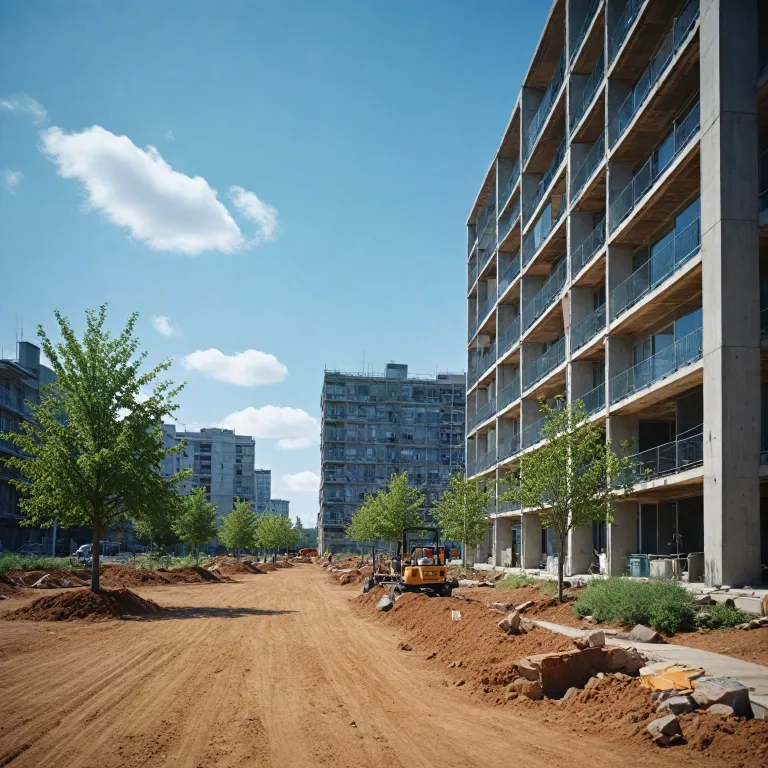
Driving sustainability in hotel construction: ESG priorities and compliance frameworks
Hotel construction is experiencing unprecedented growth, with global pipelines reaching record levels. This surge is driven by increased travel demand and the hospitality sector’s ambition to expand facilities and enhance guest experiences. For general management, ESG officers, compliance managers, asset managers, investors, consulting firms, public institutions, and auditors, integrating sustainability and ESG principles into hotel construction projects is now a strategic imperative.
Construction firms and contractors must align their work with evolving environmental regulations and stakeholder expectations. The design and architecture of new hotels increasingly reflect sustainability goals, from energy-efficient building envelopes to responsible sourcing of materials. Government policies and international standards are shaping the construction phase, requiring rigorous compliance and transparent reporting throughout the project delivery process. The cost of hotel construction is no longer measured solely in financial terms; it also encompasses the environmental and social impact of each project.
Upper midscale and upscale hotels dominate the current construction pipeline, accounting for over half of all projects. This trend highlights the sector’s focus on delivering high-quality, sustainable rooms and facilities. Construction management teams are leveraging advanced analytics to monitor construction costs and optimize project outcomes, ensuring that new hotels meet both operational and ESG objectives. The integration of sustainability into hotel construction is not only a compliance requirement but a competitive advantage in the top hospitality markets.
Innovative design and engineering for sustainable hotel projects
Design and engineering are at the heart of sustainable hotel construction. Firms specializing in architecture and engineering are reimagining the way hotels are built, prioritizing energy efficiency, water conservation, and indoor environmental quality. The design construction process now incorporates lifecycle assessments to evaluate the long-term impact of building materials and systems. This approach supports the creation of resilient facilities that can adapt to changing climate and regulatory landscapes.
Construction firms and general contractors are collaborating closely with hotel developers to implement green building certifications and ESG benchmarks. These partnerships ensure that each construction project aligns with the latest sustainability standards and delivers measurable benefits. The cost to build a hotel is influenced by the selection of sustainable technologies and materials, but these investments often result in lower operational costs and enhanced asset value over time.
Government incentives and public-private partnerships are accelerating the adoption of sustainable practices in hotel construction. Consulting firms play a critical role in guiding project teams through complex compliance requirements and ESG reporting frameworks. For those seeking detailed guidance on sustainable project delivery, the hotel construction compliance guide offers practical insights into regulatory alignment and best practices for the sector.
Managing construction costs and optimizing project delivery in hospitality
Effective cost management is essential in hotel construction, especially as sustainability and ESG requirements become more stringent. Construction costs are influenced by a range of factors, including site selection, design complexity, and the integration of green technologies. Construction management teams must balance the need for high-quality facilities with the imperative to control costs and deliver projects on schedule.
General contractors and construction groups are adopting innovative project delivery models to enhance efficiency and transparency. These models facilitate collaboration among stakeholders, streamline procurement, and reduce waste during the construction phase. The cost to build a hotel varies significantly by region and segment, with upper midscale hotels often offering the best balance between investment and return.
Rooms construction and office building integration are key considerations in mixed-use hospitality projects. Construction services providers are leveraging digital tools to monitor progress, manage risks, and ensure compliance with ESG standards. For a comprehensive overview of sustainable construction management strategies, visit the hospitality project management resource for actionable advice tailored to the sector.
Compliance, risk management, and ESG reporting in hotel construction
Compliance with environmental, social, and governance standards is a cornerstone of modern hotel construction. Regulatory frameworks require construction firms and general contractors to document their adherence to sustainability criteria throughout the project lifecycle. This includes transparent reporting on construction costs, resource use, and the social impact of building new hotels.
Risk management is integral to successful project delivery, particularly in regions with evolving regulatory landscapes. Construction firms must anticipate potential compliance challenges and implement robust controls to mitigate risks. ESG reporting is increasingly demanded by investors, asset managers, and public institutions, who seek assurance that hotel construction projects align with global best practices.
Consulting firms and auditors provide essential support in navigating complex compliance requirements and verifying ESG performance. The integration of digital compliance tools streamlines data collection and enhances the accuracy of ESG disclosures.
Trends in upper midscale and top hospitality construction projects
The dominance of upper midscale and top hospitality projects is reshaping the hotel construction landscape. These segments prioritize guest comfort, operational efficiency, and sustainability, setting new benchmarks for the sector. Construction firms and contractors are responding by developing innovative solutions that reduce construction costs while enhancing the quality of rooms and facilities.
Early planning stage projects have reached record highs, reflecting strong investor confidence and robust demand for new hotels. Construction management teams are leveraging advanced analytics to forecast market trends and optimize project delivery. The integration of ESG criteria into the design and construction process is now standard practice for top hospitality brands.
As one expert insight from the dataset highlights, "Early planning stage projects reached a record-high of 5,744 projects with 798,792 rooms globally in Q2 2025, marking a 10% increase in projects year-over-year." This growth underscores the importance of strategic planning and compliance in the construction phase. The sector’s commitment to sustainability is evident in the increasing adoption of green building certifications and responsible sourcing practices.
Future outlook: sustainable growth and innovation in hotel construction
The future of hotel construction is defined by sustainability, innovation, and compliance. Construction firms and general contractors are investing in new technologies and methodologies to enhance project delivery and reduce environmental impact. The cost to build a hotel will continue to be shaped by evolving ESG standards and stakeholder expectations.
Government policies and industry partnerships are fostering a culture of continuous improvement in the hospitality sector. Construction services providers are expanding their offerings to include integrated design construction and project management solutions. The focus on upper midscale and top hospitality projects will drive further innovation in rooms construction, facilities design, and operational efficiency.
As the sector evolves, asset managers, investors, and public institutions will play a critical role in shaping the future of hotel construction. Their commitment to sustainability and compliance will ensure that new hotels deliver lasting value for guests, communities, and the environment.
Key statistics on hotel construction, ESG, and compliance
- Global hotel construction pipeline reached a record-high of 15,871 projects, encompassing 2,436,225 rooms.
- The United States leads with 6,376 hotel construction projects, followed by China with 3,779 projects.
- Upper midscale and upscale chain scales dominate, accounting for 52% of projects in the global pipeline.
- Early planning stage projects reached a record-high of 5,744 projects with 798,792 rooms globally, marking a 10% increase in projects year-over-year.
Frequently asked questions about sustainable hotel construction
What is the current state of the global hotel construction pipeline?
As of Q2 2025, the global hotel construction pipeline reached a record-high of 15,871 projects, encompassing 2,436,225 rooms.
Which countries are leading in hotel construction projects?
The United States leads with 6,376 projects, followed by China with 3,779 projects as of Q1 2025.
What segments are driving hotel construction growth?
Upper midscale and upscale chain scales dominate, accounting for 52% of projects in the global pipeline as of Q2 2025.