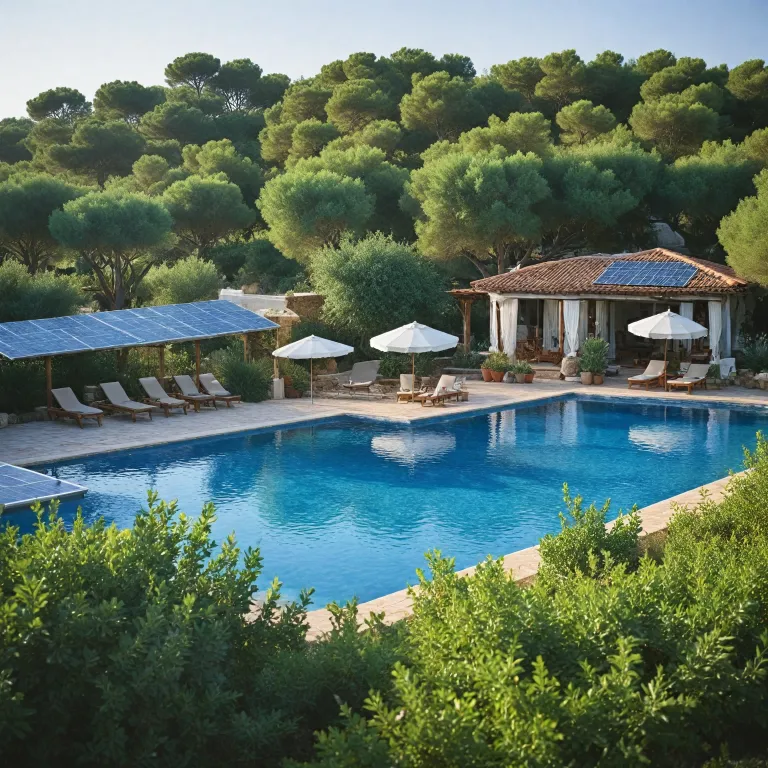
Driving sustainability in Balearic Islands hotels: leadership, compliance, and vision
The Balearic Islands, encompassing Mallorca, Menorca, Ibiza, and Formentera, have become a benchmark for sustainable hotels, integrating ESG principles and strict compliance into their operations. Hotel leaders and asset managers recognize that the region’s unique environment—ranging from the mountain landscapes of Sierra Tramuntana to the pristine beaches of Menorca—demands a robust commitment to sustainability. The adoption of renewable energy, such as solar panels, and the reduction of energy consumption are now central to the operational strategies of hotels across the islands.
General managers and compliance officers are increasingly focused on aligning their hotels with Spain’s evolving environmental regulations. This includes rigorous checks on water usage, energy consumption, and the implementation of privacy policy standards that respect both guest data and environmental reporting. The integration of eco friendly technologies, such as water filtration systems and energy-efficient appliances, is not only a regulatory requirement but also a competitive advantage for hotels in the Balearic Islands. The commitment to protect environment and reduce carbon footprint is evident in the daily operations of both boutique and chain hotels, with a growing emphasis on transparency and accountability.
For asset managers and investors, the shift towards sustainable hotels in the Balearic Islands is more than a trend—it is a strategic imperative. The value of properties that prioritize ecological practices and community engagement is rising, especially as guests increasingly check availability and accommodation offers based on sustainability credentials. The region’s hotels are setting industry standards by fostering a culture of environmental stewardship, ensuring that every room, spa, and public space reflects a genuine commitment environmental to both guests and the local community.
Integrating renewable energy and water management in Balearic Islands hotels
Renewable energy adoption is a cornerstone of sustainability for hotels in the Balearic Islands. Leading chains such as RIU Hotels & Resorts have signed agreements to supply all their hotels in the region with locally sourced renewable electricity, dramatically reducing their carbon footprint. Solar panels are now a common sight on hotel rooftops in Mallorca and Menorca, powering rooms, spas, and communal areas with clean energy. This transition not only supports Spain’s national sustainability goals but also delivers tangible benefits for the local environment and community.
Water management is another critical area of focus. Hotels in the Balearic Islands are implementing advanced water filtration systems and promoting responsible water usage among guests and staff. The use of greywater recycling and rainwater harvesting helps to reduce overall water consumption, ensuring the islands’ limited resources are preserved for future generations. Compliance officers regularly check systems to guarantee they meet both local and EU environmental standards, reinforcing the hotel’s commitment environmental to sustainability.
Incorporating these practices into daily operations requires ongoing investment and training. Asset managers and ESG leaders work closely with local suppliers and renewable energy providers to ensure that hotels maintain their eco friendly credentials. For example, Garden Hotels has eliminated single-use plastics and uses 95,000 kg of Balearic-origin products each season, while Destino Five Ibiza sources 40% of its produce locally. These efforts not only protect environment but also strengthen the relationship between hotels and the local community. For more insights on effective ESG strategies in hospitality, visit ESG best practices for hotels.
Enhancing guest experience through eco friendly design and local integration
Modern travelers increasingly seek sustainable hotels in the Balearic Islands that offer both luxury and environmental responsibility. Hotels are responding by integrating eco friendly design elements, such as natural materials, energy-efficient lighting, and smart room controls that minimize energy consumption. The focus extends beyond the rooms to include communal spaces, spas, and even mountain-view terraces overlooking the Sierra Tramuntana, all designed to harmonize with the island’s natural beauty.
Local integration is a key differentiator for hotels in Menorca, Mallorca, and beyond. By partnering with local farmers, artisans, and wildlife organizations, hotels support the community and offer guests authentic experiences. Initiatives such as guided tours to view local wildlife, farm-to-table dining, and workshops on ecological practices foster a deeper connection between guests and the environment. These experiences not only enhance guest satisfaction but also reinforce the hotel’s commitment to sustainability and compliance.
Transparency is essential in building trust with guests and stakeholders. Hotels provide clear information about their sustainability initiatives, including details on renewable energy use, water conservation, and carbon footprint reduction. Guests are encouraged to check availability and accommodation offers that align with their values, while privacy policy updates ensure that all data related to sustainability and guest preferences is handled responsibly. For a comprehensive overview of sustainable hotel design, see eco friendly hotel architecture in Spain.
Compliance, reporting, and ESG frameworks in Balearic Islands hospitality
Compliance with ESG standards is a top priority for hotels in the Balearic Islands. Responsible officers and auditors are tasked with ensuring that all operations adhere to both local and international regulations, from energy consumption reporting to the management of ecological impacts. The implementation of standardized frameworks allows hotels to measure and communicate their progress in sustainability, providing stakeholders with reliable data on their environmental performance.
Hotels are increasingly adopting digital tools to streamline compliance and reporting processes. Systems for tracking renewable energy usage, water consumption, and waste reduction are integrated into daily operations, enabling real-time monitoring and swift corrective action when needed. This proactive approach not only supports regulatory compliance but also enhances the hotel’s reputation among guests, investors, and public institutions.
Asset managers and consultants play a crucial role in guiding hotels through the complexities of ESG compliance. By conducting regular audits and providing strategic advice, they help hotels maintain their eco friendly status and identify new opportunities for improvement. The commitment environmental to transparency and accountability is further demonstrated by the publication of annual sustainability reports, which detail achievements in areas such as carbon footprint reduction, solar panels installation, and support for local wildlife.
Community engagement and the economic impact of sustainable hotels
The success of sustainable hotels in the Balearic Islands is closely linked to their engagement with the local community. By sourcing products and services from local businesses, hotels in Menorca and Mallorca contribute to the economic vitality of the region. This approach not only reduces the carbon footprint associated with transportation but also fosters a sense of shared responsibility for the environment.
Hotels are actively involved in initiatives to protect environment and preserve local wildlife. Collaborations with environmental organizations and participation in community clean-up events demonstrate a genuine commitment to sustainability. Guests are invited to participate in eco friendly activities, such as guided hikes in the Sierra Tramuntana or workshops on renewable energy and water conservation, further strengthening the bond between hotels and the community.
The economic impact of these efforts is significant. Sustainable hotels attract environmentally conscious travelers who are willing to pay a premium for accommodation offers that align with their values. This, in turn, drives investment in eco hotels and supports the long-term viability of the hospitality sector in the Balearic Islands. The integration of sustainability into every aspect of hotel operations ensures that the benefits are shared by all stakeholders, from local suppliers to international investors.
Innovative technologies and future trends in sustainable hospitality
Innovation is at the heart of the sustainable hotels movement in the Balearic Islands. Hotels are leveraging advanced technologies, such as smart energy management systems and AI-driven analytics, to optimize energy consumption and reduce environmental impact. The installation of solar panels and electric vehicle charging stations is becoming standard practice, reflecting a broader shift towards renewable energy and eco friendly infrastructure.
Future trends point to even greater integration of sustainability into hotel design and operations. The use of biodegradable materials, expansion of green roofs, and adoption of circular economy principles are expected to further enhance the ecological credentials of hotels in Mallorca, Menorca, and beyond. The focus on protecting the environment and supporting the local community will remain central to the region’s hospitality strategy.
Hotels are also exploring new ways to engage guests in sustainability initiatives. Interactive apps allow guests to check their own water and energy usage during their stay, while loyalty programs reward eco friendly behavior. The commitment environmental to continuous improvement ensures that the Balearic Islands will remain at the forefront of sustainable hospitality, setting an example for other regions in Spain and across Europe.
Key statistics on sustainability in Balearic Islands hotels
- Garden Hotels has reduced single-use plastics by 1.5 tons per season.
- Destino Five Ibiza sources 40% of its produce locally, supporting the community and reducing carbon footprint.
- RIU Hotels & Resorts achieved a 64% reduction in emissions per stay over three years through renewable energy adoption.
Frequently asked questions about sustainable hotels in the Balearic Islands
What are some sustainable hotels in the Balearic Islands?
Some sustainable hotels in the Balearic Islands include RIU Hotels & Resorts, Dunas de Formentera, Destino Five Ibiza, By Steh Hotels, Iberostar Group, and Garden Hotels.
How are hotels in the Balearic Islands promoting sustainability?
Hotels in the Balearic Islands are promoting sustainability by utilizing renewable energy sources, eliminating single-use plastics, sourcing local and organic products, promoting sustainable commuting options, and implementing eco-friendly design and operations.
Why is sustainability important for tourism in the Balearic Islands?
Sustainability is important for tourism in the Balearic Islands to reduce the environmental impact of tourism, preserve natural resources, support local economies, enhance guest experience through sustainability, and set industry standards for eco-friendly practices.
What can guests do to support sustainability in Balearic Islands hotels?
Guests can choose accommodations that prioritize sustainability, participate in eco-friendly activities offered by hotels, support local businesses and markets, use public transportation or eco-friendly commuting options, and be mindful of water and energy usage during their stay.