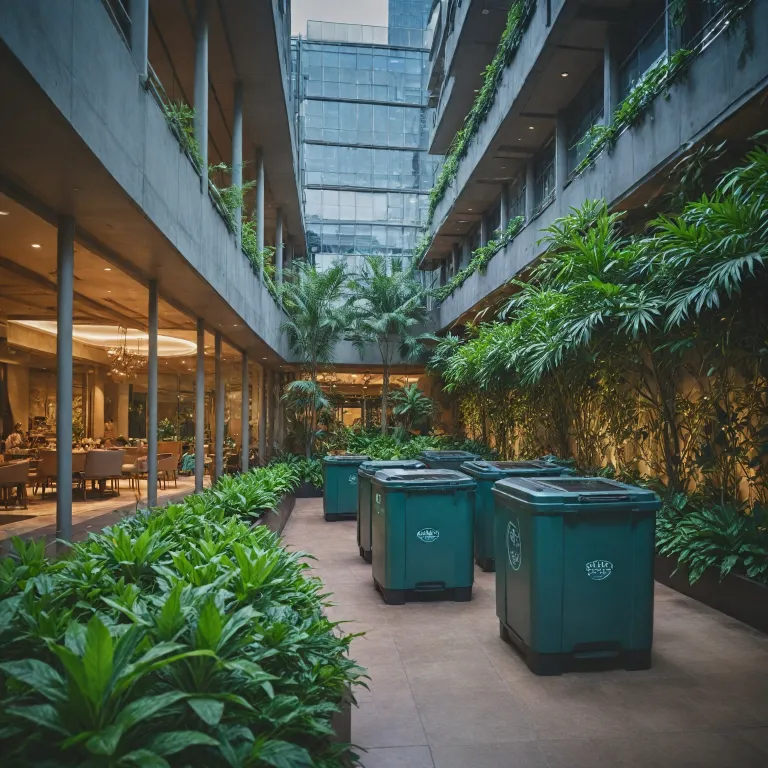
Driving sustainability: How hotels in Singapore are redefining waste management
Hotels in Singapore are setting new benchmarks in sustainable waste management practices, integrating advanced technologies and holistic strategies to reduce their environmental footprint. The Grand Hyatt Singapore, for example, has pioneered an in-house waste management plant, converting up to 1,000 kg of food waste daily into organic fertilizers. This initiative not only diverts significant waste from landfills but also supports urban farm projects within the hotel, contributing to a circular economy model. The PARKROYAL COLLECTION Marina Bay stands out as the first hotel in Singapore to achieve three major sustainability certifications, demonstrating a strong commitment to green operations and resource efficiency. Across the city, hotels are investing in energy-efficient air conditioning systems, water conservation measures, and the reduction of single-use plastics, aligning with the Hotel Sustainability Roadmap developed by the Singapore Hotel Association and Singapore Tourism Board. These efforts are transforming both guest experiences and operational standards, making Singapore a leader in sustainable hospitality.
Mandarin Oriental Singapore and Sofitel Singapore Sentosa Resort & Spa have adopted smart food waste tracking systems, such as the Winnow System, to monitor and minimize food waste in their kitchens. By leveraging data analytics, these hotels can identify patterns in food consumption and adjust procurement, further reducing unnecessary waste. The integration of plant-based menu options and partnerships with local urban farms also supports sustainable food sourcing and minimizes the carbon footprint associated with food transport. As a result, hotels in Singapore with sustainable waste management practices are not only meeting regulatory requirements but also exceeding guest expectations for responsible hospitality. The collective impact of these initiatives is evident in the growing number of sustainable hotels Singapore is home to, each contributing to the city’s ambitious environmental goals.
Innovative solutions: Technologies and certifications shaping sustainable hotels in Singapore
Innovation is at the heart of Singapore’s approach to sustainable hotels, with a focus on integrating cutting-edge technologies and achieving recognized certifications. The adoption of aerobic food digesters and smart tracking systems enables hotels to efficiently manage food waste, converting it into valuable resources for landscaping and urban farm projects. For instance, the Grand Hyatt Singapore’s in-house waste management plant exemplifies how hotels can close the loop on food waste, supporting both environmental and operational objectives. The PARKROYAL COLLECTION Marina Bay has set a new standard by attaining three prestigious sustainability certifications, reflecting its leadership in energy, water, and waste management. These certifications not only validate the hotel’s efforts but also enhance its appeal to environmentally conscious travelers and investors.
Hilton Singapore Orchard has implemented an in-house water filtration and glass bottling system, eliminating the need for over 1.2 million single-use plastic bottles annually. This initiative, combined with the hotel’s commitment to green cleaning programs and energy-efficient air conditioning, underscores the importance of holistic sustainability strategies. The Singapore Hotel Association’s Hotel Sustainability Roadmap provides a clear framework for hotels to follow, emphasizing the achievement of net-zero emissions and the reduction of single-use plastics. Asset managers and investors are increasingly prioritizing hotels in Singapore with sustainable waste management practices, recognizing the long-term value and resilience these properties offer. For further insights on the evolving landscape of sustainable hospitality, explore our comprehensive guide on ESG compliance in the hotel sector.
Reducing food waste: From kitchen innovation to guest engagement
Food waste remains a critical challenge for hotels in Singapore, but innovative solutions are driving measurable progress. The use of smart food waste tracking systems, such as those implemented at Sofitel Singapore Sentosa Resort & Spa and Mandarin Oriental Singapore, allows hotels to monitor waste generation in real time. By analyzing this data, culinary teams can adjust portion sizes, menu offerings, and procurement practices, significantly reducing food waste at the source. Grand Hyatt Singapore’s conversion of 1,000 kg of food waste daily into organic fertilizers is a testament to the effectiveness of these strategies, supporting both sustainability and operational efficiency. Hotels are also partnering with local urban farms to source fresh, plant-based ingredients, further minimizing the environmental impact of food transport and supporting Singapore’s vision of a resilient food system.
Guest engagement plays a vital role in the success of food waste reduction initiatives. Hotels in Singapore with sustainable waste management practices are educating guests about responsible consumption, encouraging participation in food waste reduction programs, and offering plant-based menu options. The integration of food digesters and composting systems not only diverts waste from landfills but also produces valuable resources for hotel landscaping and urban farm projects. As a result, sustainable hotels Singapore are creating a culture of environmental stewardship that extends beyond their operations. For more on best practices in waste management, visit our resource on sustainable waste management strategies for hotels.
Water and energy conservation: Essential pillars of sustainable hotel operations
Water and energy conservation are fundamental to the sustainability strategies of hotels in Singapore. Hilton Singapore Orchard’s in-house water filtration and glass bottling system exemplifies how hotels can significantly reduce single-use plastic waste while ensuring high-quality water for guests. The adoption of energy-efficient air conditioning systems, LED lighting, and smart building management technologies further enhances resource efficiency and reduces operational costs. PARKROYAL COLLECTION Marina Bay and Grand Hyatt Singapore have both invested in solar panels and advanced energy management systems, demonstrating a commitment to renewable energy and carbon footprint reduction. These measures are aligned with the goals outlined in the Hotel Sustainability Roadmap, which calls for net-zero emissions and comprehensive resource management across the hospitality sector.
Hotels in Singapore with sustainable waste management practices are also focusing on greywater recycling, rainwater harvesting, and the use of eco-friendly cleaning products to minimize their environmental impact. The integration of these solutions not only supports regulatory compliance but also enhances the overall guest experience, as travelers increasingly seek out sustainable hotels Singapore for their stays. Asset managers and investors recognize the long-term value of properties that prioritize water and energy conservation, as these initiatives contribute to operational resilience and cost savings.
Compliance, certifications, and stakeholder engagement in Singapore’s hotel sector
Compliance with international and local sustainability standards is a key priority for hotels in Singapore. The achievement of certifications such as ISO14001, Green Mark, and other recognized sustainability benchmarks demonstrates a hotel’s commitment to responsible operations. PARKROYAL COLLECTION Marina Bay’s attainment of three major certifications highlights the rigorous processes involved in meeting these standards, from waste management to energy and water conservation. The Singapore Hotel Association and Singapore Tourism Board have played a pivotal role in guiding hotels through the certification process, providing resources and support to ensure alignment with the Hotel Sustainability Roadmap. Stakeholder engagement is equally important, with hotels collaborating with guests, suppliers, and local communities to drive continuous improvement in sustainability performance.
Asset managers, investors, and public institutions are increasingly evaluating hotels based on their sustainability credentials, recognizing the reputational and financial benefits of responsible hospitality. The reduction of single-use plastics, implementation of in-house waste management systems, and adoption of plant-based menu options are all factors that contribute to a hotel’s ESG profile. As one expert notes, “The Hotel Sustainability Roadmap is an initiative by the Singapore Hotel Association and Singapore Tourism Board to guide hotels in integrating sustainability into their operations.” This collaborative approach ensures that hotels in Singapore with sustainable waste management practices remain at the forefront of industry innovation and compliance.
Future outlook: Scaling sustainable waste management across Singapore’s hospitality landscape
The future of sustainable hotels Singapore is defined by a commitment to continuous improvement and innovation. As more hotels adopt advanced waste management technologies and achieve sustainability certifications, the industry is poised to make significant strides toward net-zero emissions and resource efficiency. The integration of urban farm projects, plant-based menu offerings, and circular economy principles will further enhance the environmental performance of hotels in Singapore. Asset managers and investors are expected to play a critical role in driving the adoption of sustainable practices, as they seek properties that deliver both financial returns and positive environmental impact. The Hotel Sustainability Roadmap provides a clear vision for the sector, emphasizing the importance of collaboration, innovation, and stakeholder engagement.
Hotels in Singapore with sustainable waste management practices are also exploring new opportunities for guest engagement, from educational programs to hands-on sustainability initiatives. The reduction of food waste, elimination of single-use plastics, and investment in renewable energy are all areas where hotels can differentiate themselves and build lasting brand value. As the hospitality industry continues to evolve, sustainable hotels Singapore will serve as models of responsible tourism and environmental stewardship, inspiring others across the region and beyond.
Key statistics on sustainable waste management in Singapore hotels
- 60% of hotel room stock in Singapore is targeted to achieve sustainability certification by 2025.
- Hilton Singapore Orchard has reduced single-use plastic bottles by 1,200,000 per year through in-house water filtration and glass bottling.
- Grand Hyatt Singapore converts 1,000 kg of daily food waste into organic fertilizers, supporting urban farm initiatives.
Frequently asked questions on sustainable hotels in Singapore
What is the Hotel Sustainability Roadmap?
The Hotel Sustainability Roadmap is an initiative by the Singapore Hotel Association and Singapore Tourism Board to guide hotels in integrating sustainability into their operations.
Which hotels in Singapore have achieved sustainability certifications?
Hotels such as PARKROYAL COLLECTION Marina Bay, Grand Hyatt Singapore, and Fairmont Singapore have achieved sustainability certifications.
How do hotels in Singapore manage food waste?
Hotels implement food digesters, smart food waste tracking systems, and in-house waste management plants to manage food waste.
What are some sustainable practices adopted by hotels in Singapore?
Practices include reducing single-use plastics, installing solar panels, using eco-friendly products, and sourcing sustainable seafood.
Why are hotels in Singapore focusing on sustainability?
To reduce environmental impact, meet global standards, and appeal to eco-conscious travelers.