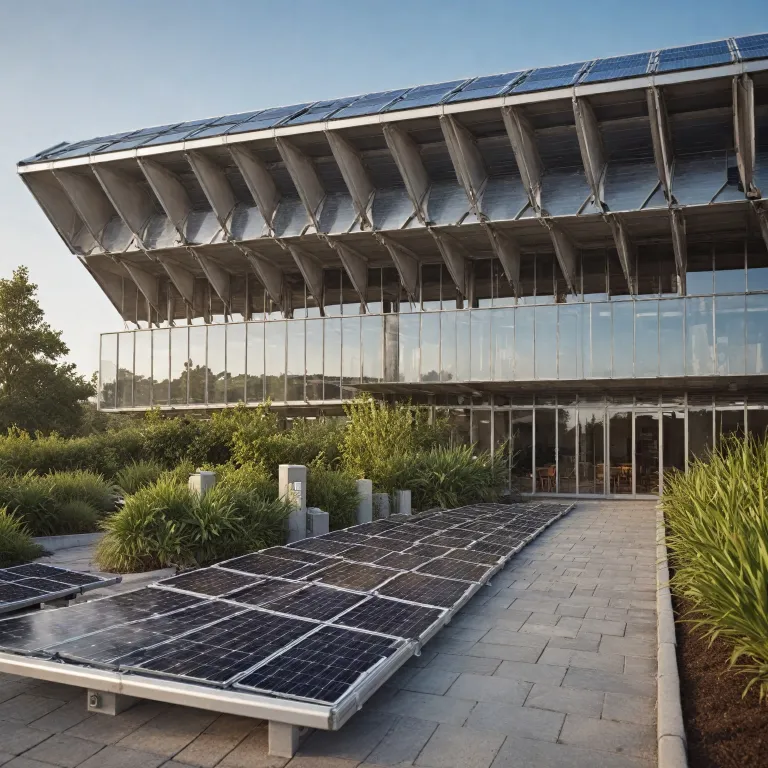
Solar cellular technology: redefining energy efficiency and compliance in hotels
Solar cellular integration is transforming the hospitality sector by merging solar energy generation with advanced cellular connectivity. Hotels are increasingly adopting solar panels and photovoltaic cells to reduce reliance on conventional electricity, supporting both sustainability and regulatory compliance. The synergy between solar power and cellular technology enables real-time monitoring of energy consumption, optimizing efficiency and ensuring that properties meet evolving ESG standards.
Solar cells, both in singular and plural forms, are now embedded in various hotel systems, including security cameras and trail cameras. These solar powered devices utilize sunlight to generate electricity, storing surplus energy in high-capacity batteries for uninterrupted operation. The integration of LTE and SIM card-enabled cellular modules allows for seamless data transmission, enhancing the remote management of solar panels and security camera systems. This approach not only improves operational efficiency but also aligns with the growing demand for renewable energy solutions in the hospitality industry.
Asset managers and ESG officers are leveraging solar cellular advancements to track electricity generation and consumption data across multiple properties. By deploying solar security cameras and powered cellular devices, hotels can maintain high picture quality and security standards while minimizing their carbon footprint. The use of solar panels and solar energy systems is further supported by cellular security networks, which ensure continuous data flow and compliance with local and international regulations.
Enhancing asset value and guest experience through solar cellular solutions
Hotels that invest in solar cellular infrastructure experience a measurable increase in asset value and guest satisfaction. Solar powered security cameras and cellular security systems provide robust surveillance, ensuring safety while reducing operational costs. The efficiency of modern solar cells, such as perovskite solar cell technology, allows for greater electricity generation even on limited surface areas, making them ideal for urban hotel rooftops and facades.
Battery life and price efficiency are critical considerations for asset managers evaluating solar cellular deployments. Advanced solar panels and batteries offer extended operational periods, reducing maintenance frequency and costs. Cellular data loggers, like those offered by Solis, enable continuous monitoring of solar energy generation and consumption, providing actionable insights for optimizing energy use and meeting ESG targets.
Integrating solar cellular systems also enhances the guest experience by ensuring reliable power supply and uninterrupted security camera operation. Hotels can promote their commitment to renewable energy and sustainability, appealing to environmentally conscious travelers. For more on sustainable hospitality practices, visit sustainable hotel operations for in-depth strategies and case studies.
Regulatory compliance and ESG reporting: leveraging solar cellular data
Compliance with environmental regulations and ESG frameworks is a top priority for hotel operators and investors. Solar cellular technology provides granular data on electricity generation, consumption, and system efficiency, supporting transparent ESG reporting. Cellular-enabled solar panels and security cameras transmit real-time data to centralized platforms, facilitating compliance audits and regulatory submissions.
Hotels in the United States and other regions benefit from cellular security systems that meet stringent data privacy and security requirements. The use of SIM card-enabled devices ensures secure transmission of sensitive information, protecting both guest privacy and operational integrity. Solar powered LTE cameras and data loggers offer reliable connectivity, even in remote or off-grid locations, supporting compliance with local and international standards.
Asset managers and compliance officers can leverage solar cellular data to benchmark performance, identify areas for improvement, and demonstrate progress toward sustainability goals. For a comprehensive overview of compliance strategies, explore ESG compliance in hospitality to access best practices and regulatory updates.
Optimizing operational efficiency with solar cellular monitoring and control
Operational efficiency is paramount in the hospitality industry, and solar cellular systems play a crucial role in achieving this objective. The integration of solar panels, batteries, and cellular modems enables hotels to monitor and control energy systems remotely. This approach reduces downtime, enhances electricity generation, and ensures optimal battery life for critical devices such as security cameras and trail cameras.
SolarEdge and similar manufacturers provide cellular communication devices that facilitate remote monitoring and control of solar inverters. This capability allows hotel engineers and facility managers to respond swiftly to system alerts, minimizing energy losses and maintenance costs. The combination of solar energy and cellular connectivity supports predictive maintenance, extending the lifespan of solar panels and batteries.
Hotels can further optimize efficiency by analyzing data from solar cell and solar panel systems, identifying trends in energy consumption and generation. The use of powered cellular devices ensures continuous operation, even during periods of low sunlight or adverse weather conditions.
Security and resilience: solar cellular systems for robust hotel operations
Security is a critical concern for hotels, and solar cellular technology offers innovative solutions for safeguarding guests and assets. Solar powered security cameras and cellular security networks provide continuous surveillance, even during power outages or network disruptions. The integration of LTE and SIM card modules ensures reliable connectivity, enabling real-time data transmission and remote monitoring.
Solar security cameras and trail cameras are particularly valuable for properties with extensive grounds or remote locations. These devices harness solar energy to maintain long battery life and high picture quality, supporting comprehensive security coverage. Cellular security systems also enhance resilience against external threats, such as cyberattacks or natural disasters, by maintaining independent communication channels.
The deployment of solar cellular technology aligns with ESG objectives by reducing reliance on grid electricity and minimizing environmental impact. Hotels can demonstrate their commitment to sustainability and security, attracting investors and guests who prioritize responsible business practices. The use of solar panels and solar power systems further supports the transition to renewable energy in the hospitality sector.
Future trends: innovation and scalability in solar cellular hospitality solutions
The future of solar cellular technology in hospitality is marked by continuous innovation and scalability. Advancements in solar cell efficiency, such as the development of perovskite solar cells, are driving higher electricity generation rates and improved price performance. Hotels are increasingly adopting scalable solar panel systems that can be expanded to meet growing energy demands and regulatory requirements.
Manufacturers like Nokia and SolarEdge are pioneering new solutions that integrate solar energy harvesting with cellular communication, enabling self-sustaining and remotely monitored devices. The use of cellular data loggers and powered cellular accessories supports the seamless expansion of solar energy systems across hotel portfolios. As the hospitality industry embraces renewable energy and digital transformation, solar cellular solutions will play a pivotal role in achieving sustainability and compliance objectives.
"The Nokia 1611, announced in January 1997, was the world's first solar-powered mobile phone." This milestone underscores the long-standing relationship between solar and cellular technologies, paving the way for modern innovations in hotel operations. "While solar flares can impact communication systems, their effects on cellular networks are typically minimal." This resilience is crucial for maintaining uninterrupted service in hospitality environments. "Perovskite solar cells are a type of solar cell that includes a perovskite-structured material as the active layer, known for their rapidly increasing efficiency." These advancements are shaping the future of solar cellular applications in hotels.
Key statistics: solar cellular efficiency and environmental impact in hospitality
- Efficiency of perovskite solar cells: 25.5%.
- Estimated solar panel electronic waste by 2050: 78 million metric tons.
Frequently asked questions about solar cellular in hospitality
What was the first solar-powered mobile phone?
The Nokia 1611, announced in January 1997, was the world's first solar-powered mobile phone.
How do solar flares affect cellular networks?
While solar flares can impact communication systems, their effects on cellular networks are typically minimal.
What are perovskite solar cells?
Perovskite solar cells are a type of solar cell that includes a perovskite-structured material as the active layer, known for their rapidly increasing efficiency.