PPWR as a catalyst for circular economy hospitality in packaging
PPWR turns packaging from a background cost into a strategic lever for circular economy hospitality. For hotel procurement leaders, the regulation will force a shift from linear purchasing habits toward circular practices that cut waste and protect margin. The hospitality sector now needs packaging strategies where sustainability, compliance and business performance are designed together, not traded off.
The Regulation EU 2025/40 on packaging and packaging waste sets binding targets that reshape how every hotel manages its packaging supply chain. From August 12, most provisions will apply, and the environmental impact of single use items in HORECA will be under direct regulatory scrutiny. Article 25 and Annex V go further by banning single use cosmetics and toiletry packaging in accommodation from January 1, which means hotels must redesign amenities systems around reuse, refill and waste reduction.
For procurement and ESG teams, PPWR is not just another environmental rule ; it is a structural change in how the hospitality industry thinks about packaging as part of its circular economy. The regulation hard wires economy principles of prevention, reuse and high quality recycling into purchasing decisions, forcing hotels to align waste management, product design and supply chains. In practice, this means every contract, from food suppliers to housekeeping amenities, must now support sustainable development goals and measurable reductions in environmental impact.
Mapping packaging flows: the audit that reveals your real waste baseline
The first step toward PPWR ready circular economy hospitality is a forensic packaging audit across the entire property. Procurement officers should map every packaging item entering the hotel by category, covering food and beverage, housekeeping, maintenance, guest amenities and back of house logistics. This granular view of waste streams turns anecdotal sustainability conversations into data driven management decisions.
For each item, capture quantitative données on volumes, materials, formats, suppliers, unit costs and current waste management routes. Link these data points to operational realities such as minibar replenishment, breakfast buffet service, conference catering and in room amenities, because packaging design and usage patterns drive both cost and environmental impact. When you see that individual jam portions, coffee capsules and amenity bottles together generate several tonnes of plastic waste per year, the business case for circular practices becomes very concrete.
Classifying packaging by regulatory exposure is the next layer of analysis in this audit. Identify which items fall under immediate PPWR restrictions for single use plastic in HORECA, which are affected by the future amenities ban, and which remain outside the current scope but still undermine sustainable practices. This structured mapping supports better decision making, because procurement, RSE équipes and compliance officers can jointly prioritise high impact categories where circular business models, refill systems or reusable packaging will deliver both waste reduction and cost savings.
Classifying risk: which hotel packaging is most exposed under PPWR
Once the audit is complete, procurement teams need a clear risk classification that links each packaging type to PPWR obligations and circular economy opportunities. High risk items include single use plastic packaging for food and drink in HORECA, such as individual condiment sachets, plastic cups and single serve breakfast items. Medium risk items include non plastic formats that may still face future restrictions or carry a heavy environmental impact when not integrated into effective waste management systems.
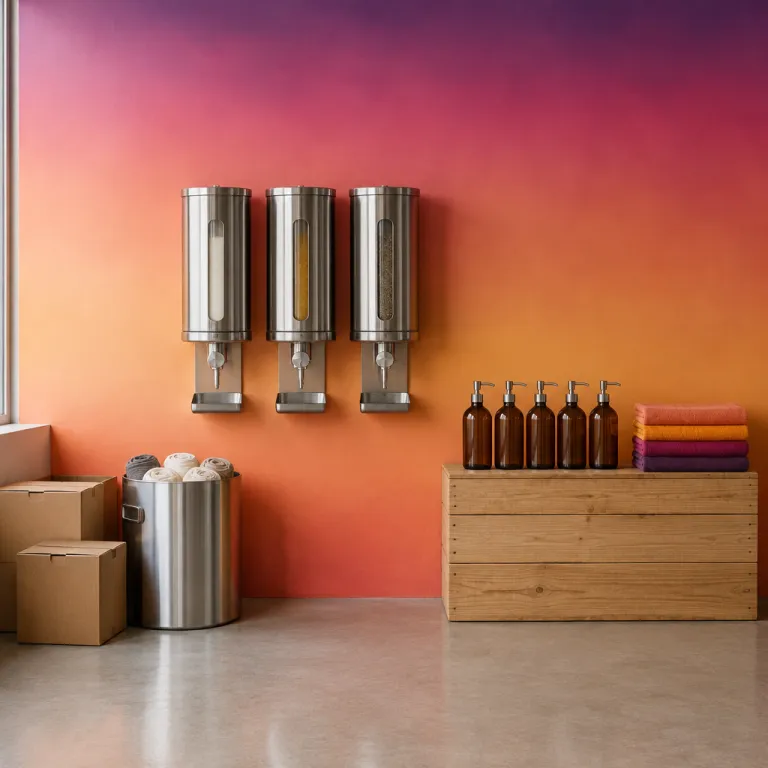
Guest amenities require a dedicated analysis, because the amenities ban from January 1 will eliminate single use cosmetic and toiletry packaging in accommodation. Hotels that still rely on miniature bottles for shampoo, conditioner and body lotion will need to transition toward dispensers, refillable containers or reusable systems that align with circular economy principles. This is where circular economy hospitality becomes very tangible for guests, as packaging design, product quality and hygiene protocols must work together to maintain brand standards.
To operationalise this classification, many procurement leaders are building internal PPWR risk matrices that score each packaging line on regulatory exposure, environmental impact and cost. These tools support structured decision making and help justify investments in new business models such as refill stations, bulk purchasing or reusable container pools. For a deeper legal and contractual perspective, the article on PPWR as a procurement problem and supplier terms shows how to embed compliance clauses, data sharing and circular practices into hotel supplier contracts.
Sourcing PPWR compliant and circular alternatives: from amenities to food packaging
With risks mapped, the sourcing phase is where circular economy hospitality moves from strategy to purchase orders. Procurement officers should start with high volume, high impact categories where PPWR pushes the hospitality sector away from single use plastic and toward reusable or recyclable formats. Food and beverage packaging is a priority, because food waste and packaging waste often rise together when portioning and service models are misaligned.
For breakfast and banqueting, bulk dispensers for cereals, jams and spreads can replace thousands of individual portions each month, cutting both packaging waste and product loss. Reusable crates, kegs and refillable containers in the food supply chain reduce cardboard and plastic film, while also improving handling efficiency and reducing damage. These changes support sustainable development objectives and can be paired with renewable energy powered dishwashing and logistics to further reduce environmental impact across hotel operations.
Guest amenities require a shift toward well designed dispensers and refill systems that respect brand positioning and hygiene expectations. Here, circular practices mean choosing durable dispenser hardware, concentrated refill formats and suppliers willing to share data on material composition, recyclability and take back schemes. Some hotel groups are already piloting circular business models where suppliers retain ownership of dispensers and refill containers, aligning incentives for waste reduction, better maintenance and long term performance.
Documenting compliance: building the PPWR paper trail and data backbone
PPWR compliance in a hotel is only as strong as the documentation that proves it, especially when auditors or public authorities request evidence. Procurement and ESG teams should build a structured data backbone that links each packaging item to supplier declarations, material certifications and waste stream destinations. This documentation is not just a legal shield ; it is the foundation for credible sustainability reporting and circular economy hospitality metrics.
At minimum, hotels should request from suppliers detailed specifications on packaging materials, recycled content, recyclability, and any reuse or take back schemes. These data should be integrated into procurement systems so that decision making on new tenders or product switches automatically considers environmental impact and PPWR alignment. Waste management partners should also provide quantitative données on collection, sorting and recycling performance, enabling hotels to track real waste reduction outcomes rather than relying on assumptions.
For multi property portfolios, standardised templates and digital workflows are essential to keep documentation consistent and audit ready. Linking this packaging data to broader scope 3 supply chain analyses strengthens ESG reporting and helps asset managers and investors understand how circular practices affect long term value. For a more comprehensive view on supplier traceability and scope 3 reporting, the guide on sustainable hotel supply chain management and data traceability offers a practical framework that procurement leaders can adapt.
Financial logic of circular packaging: from cost centre to circular business model
Many procurement officers still see circular economy hospitality as a cost driver, yet PPWR aligned packaging can strengthen margins when designed intelligently. Reusable systems, bulk formats and refill stations often require higher upfront investment in hardware and change management, but they reduce per unit costs over time. When combined with lower waste management fees and fewer deliveries, these models can outperform traditional single use packaging on total cost of ownership.
Food and beverage operations illustrate this financial logic particularly well, because food waste and packaging waste are tightly linked. Switching from individual yoghurt pots and juice cartons to bulk dispensers reduces packaging volumes and allows more flexible portioning, which cuts food waste at breakfast buffets. The operational maths of these changes, including labour, equipment and waste fees, is explored in depth in the analysis on hotel food waste valorisation and operating margins, which many hotel finance teams now use as a reference.
For asset managers and investors, the shift toward circular business models in packaging is increasingly part of ESG due diligence. They look for hotels where packaging and waste management strategies are integrated into long term business models, not treated as isolated sustainability projects. Properties that align procurement, design, supply chains and waste reduction under clear economy principles are better positioned to manage regulatory risk, protect brand equity and unlock financing linked to sustainable practices.
Building internal capability: from bachelor degree theory to operational decision making
Delivering PPWR compliant circular economy hospitality is not just a matter of buying new products ; it requires new skills and governance. Many procurement leaders and RSE managers have a bachelor degree or a business school background that covered sustainability theory, but the regulation now demands operational fluency in packaging design, waste management and supply chain optimisation. Hotels that invest in targeted training for procurement, operations and finance teams will move faster and avoid costly missteps.
Internal capability building should focus on three areas that connect sustainability with day to day business decisions. First, teams need to understand how circular economy principles translate into concrete packaging specifications, supplier requirements and contract clauses. Second, they must be able to interpret environmental data, from life cycle assessments to waste audits, and integrate these insights into procurement decision making and supplier negotiations.
Third, governance structures must align procurement, ESG, compliance and operations so that circular practices are embedded in standard processes, not left to isolated champions. This is where the hospitality industry can move beyond marketing narratives and build hotels where packaging choices, supply chains and waste reduction targets are managed with the same rigour as revenue and labour costs. Over time, this integrated approach will define the most resilient economy hospitality business models, where environmental performance and financial performance reinforce each other rather than compete.
Key figures on PPWR, packaging and circular economy in hotels
- According to the European Commission, packaging waste in the European Union reached around 79 million tonnes, representing roughly 177 kilograms per inhabitant, which underpins the urgency of PPWR for the hospitality sector.
- Studies from the Ellen MacArthur Foundation indicate that reuse models can reduce packaging material use by up to 80 percent in certain food service contexts, a level of waste reduction that hotel F&B operations can realistically target with bulk and refill systems.
- Research by the World Resources Institute shows that for every 1 euro invested in food waste reduction programmes, companies save on average 14 euros, highlighting the strong business case for integrating packaging and food waste strategies in hotel management.
- Lifecycle assessments published by various national environment agencies consistently find that refillable dispensers for bathroom amenities can cut the environmental impact of packaging by more than 50 percent over several years of use, compared with single use miniature bottles.
- Industry surveys of hotel groups in Europe report that properties implementing circular packaging initiatives, such as reusable crates and bulk amenities, often achieve waste management cost reductions of 10 to 20 percent within the first two to three years.
FAQ on PPWR compliant sourcing and circular packaging in hotels
How should a hotel start preparing for PPWR packaging requirements ?
The most effective starting point is a comprehensive packaging audit that maps every item entering the property by category, material and supplier. This audit should quantify volumes, costs and current waste management routes, then classify each item by PPWR exposure and environmental impact. With this baseline, procurement and ESG teams can prioritise high risk categories and design a phased transition plan toward compliant and circular alternatives.
Which hotel packaging categories are most affected by PPWR ?
Single use plastic packaging for food and drink in HORECA is directly targeted, covering items such as condiment sachets, cups and individual portions. Guest amenities in accommodation are also heavily impacted, because single use cosmetic and toiletry packaging will be banned from January 1 under Article 25 and Annex V. Other packaging types may not be immediately restricted but still face pressure to align with circular economy principles and higher recycling performance.
Can circular packaging solutions really reduce hotel operating costs ?
Yes, when designed and implemented carefully, circular packaging systems often reduce total costs over time despite higher initial investment. Bulk dispensers, reusable containers and refill systems cut material use, lower waste management fees and can streamline logistics, which together improve the cost per guest night. The key is to evaluate total cost of ownership, including labour, equipment, waste fees and potential revenue impacts, rather than focusing only on unit purchase prices.
What documentation do regulators expect for PPWR compliance in hotels ?
Regulators may request evidence that packaging used in the hotel meets PPWR requirements, which means supplier declarations on materials, recycled content and recyclability are essential. Hotels should maintain structured records linking each packaging item to its specifications, certifications and waste stream destinations, ideally integrated into procurement systems. Consistent documentation across properties makes audits smoother and strengthens the credibility of ESG reporting to investors and public institutions.
How can smaller independent hotels access circular packaging solutions ?
Independent hotels can join purchasing consortia, local hotel associations or city level circular economy programmes to gain access to vetted suppliers and better pricing for reusable or refill systems. They can also collaborate with neighbouring properties to pilot shared logistics for reusable crates, bulk deliveries or amenity refill services. Starting with one or two high impact categories, such as breakfast packaging or bathroom amenities, allows smaller hotels to build experience and demonstrate quick wins before scaling further.