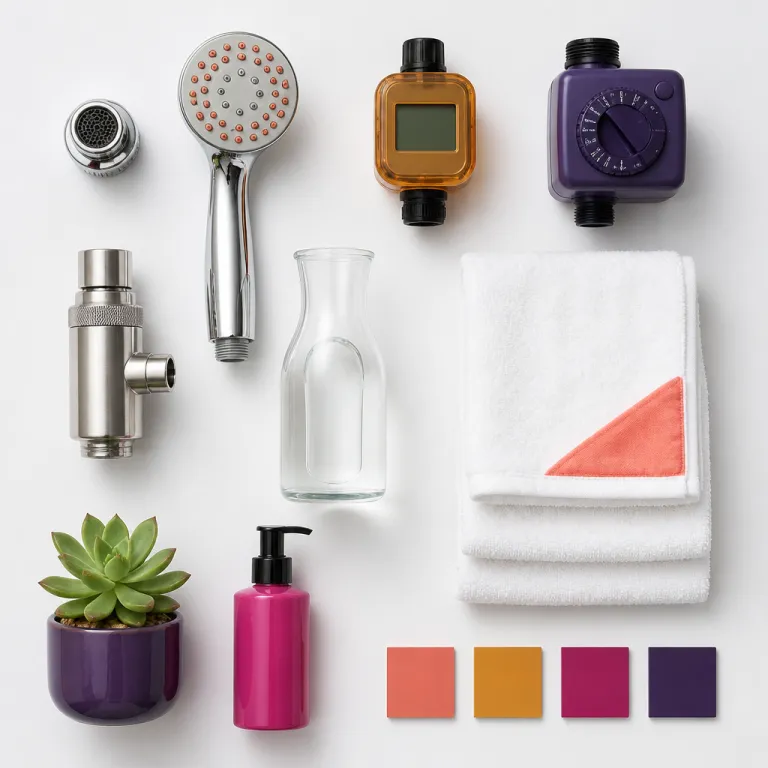
Why hotel water efficiency is now a core pillar of hotel sustainability
Water efficiency has moved from a side project to a core pillar of hotel sustainability. For any hotel in a water stressed market, the link between water, energy and environmental risk is now a board level topic. In the wider hospitality industry, investors increasingly assess sustainable practices in hotels through hard metrics on water, energy and waste.
For asset managers and Directions générales, water is no longer just an operational line item ; it is a strategic exposure that shapes long term value. The same hotel that optimises energy consumption and water waste today will be better positioned when regulations tighten and sustainable tourism expectations harden. ESG focused guests already compare green hotels on their published environmental impact per guest night, not on a generic eco friendly label.
Water efficiency also unlocks direct cost savings that reinforce the business case for hotel sustainability. Every cubic metre of water saved usually reduces both water and energy bills, because hot water requires energy water inputs for pumping and heating. When management teams connect water, energy management and waste reduction in one integrated strategy, they create a resilient platform for future sustainability trends.
From compliance risk to strategic opportunity
Regulatory pressure on hotels is tightening, from local abstraction limits to building codes. For compliance leaders, water stewardship now sits alongside energy efficiency and single plastics bans as a core environmental obligation. Certification schemes such as Green Key and EarthCheck translate these obligations into structured criteria that reward robust management systems.
Hotels that treat water only as a compliance checkbox miss a strategic opportunity to strengthen their sustainability positioning. A hotel that publishes water, energy and food metrics per occupied room sends a clear signal to ESG analysts and auditors. That same transparency also helps guests understand how their stay contributes to sustainable tourism rather than to unchecked environmental impact.
For investors, water efficiency in hotels is increasingly assessed together with energy star ratings, carbon intensity and waste performance. Portfolios that combine green hotels with strong energy management and water stewardship are better aligned with emerging sustainability trends. In practice, this means prioritising properties where management can show real time data on water waste, energy consumption and food waste reduction.
Fixture level upgrades: fast payback levers in rooms and back of house
Most hotel water efficiency journeys start with fixtures, because they are cheap, fast and measurable. Low flow showerheads, tap aerators and dual flush toilets can reduce water use in each room by 20 to 40 percent without harming guest satisfaction. When these sustainable upgrades are combined with basic energy management, hot water related energy consumption also falls.
For a 200 room hotel, retrofitting showers and taps can save thousands of cubic metres of water each year. That same project usually cuts the energy required to heat water, improving overall energy efficiency and supporting broader hotel sustainability goals. In many hotels, these green fixture investments pay back in less than two years, which appeals to asset managers and compliance focused management teams.
Back of house fixtures matter as much as guest facing ones in sustainable operations. Sensor activated taps in kitchens and staff areas reduce both water waste and unnecessary energy water use for hot water. When combined with staff training on sustainable practices, these systems help reduce waste across water, energy and food handling.
Guest experience and behavioural nudges
Water efficient fixtures only deliver their full potential when guests understand and accept them. Clear, respectful communication in the room can explain how the hotel balances comfort, sustainability and environmental responsibility. Guests increasingly expect eco friendly choices, but they still want strong showers and reliable hot water.
Hotels that frame water efficiency as part of a broader sustainability narrative tend to see better engagement. For example, a hotel can link water saving fixtures to local watershed protection and to reduced energy consumption from boilers. This approach connects individual practices in the room to the wider environmental impact of the hospitality industry.
Behavioural nudges also extend to food and beverage operations, where water and food waste are tightly linked. Smaller buffet plates, à la carte options and better food sourcing can reduce both food waste and the water embedded in that food. When management systems track these flows, they reveal new opportunities to reduce waste and strengthen sustainable tourism credentials.
System level interventions: irrigation, cooling and kitchen technologies
Once fixture level gains are captured, the next frontier is system level efficiency. Smart irrigation controls, soil moisture sensors and drought tolerant landscaping can dramatically reduce outdoor water use in hotels. These green systems are especially relevant for resorts and urban hotels with large planted areas or green roofs.
Cooling towers and HVAC systems are another major source of water waste and energy consumption. Optimised water treatment, improved cycles of concentration and better controls can reduce blowdown volumes while maintaining equipment efficiency. When energy management and water management are aligned, hotels can cut both energy water use and overall environmental impact.
In kitchens, modern combi ovens and high efficiency dishwashers use less water and energy per cover. These technologies support sustainable practices by reducing both direct water use and the energy required for heating and pumping. When combined with food waste tracking, they help hotels reduce waste across the full food and beverage value chain.
Certification, claims and the hotel certification ecosystem
System level interventions often unlock points in certification schemes such as Green Key, LEED or EarthCheck. For compliance teams, these frameworks provide a structured way to align water, energy and waste initiatives with recognised standards. They also reduce the risk of greenwashing by requiring evidence based documentation of sustainable practices.
Regulators in Europe are tightening rules on environmental marketing claims, which directly affects hotel sustainability communications. ESG and legal teams need to understand how the EU Green Claims Directive will reshape the hotel certification ecosystem and which labels will retain recognised status. A detailed analysis of the hotel certification ecosystem under the Green Claims Directive is now essential reading for any hospitality industry compliance leader.
For investors and auditors, the most credible green hotels are those that combine third party certifications with transparent data. That means publishing water, energy and waste metrics, not just displaying a logo at the reception desk. When management systems can show real time performance against targets, stakeholders gain confidence in the underlying sustainability trends.
Property wide stewardship: from greywater to condensate recovery
Beyond fixtures and systems, leading hotels are moving towards property wide water stewardship programmes. These programmes treat the hotel as part of a local watershed, not as an isolated building. They integrate water, energy, food and waste decisions into a single environmental management strategy.
Greywater reuse for irrigation, toilet flushing or cooling tower make up can significantly reduce potable water demand. Rainwater harvesting systems can supply non potable uses, while condensate recovery from HVAC units provides a surprisingly clean water source. When these sustainable practices are combined, a hotel can reduce its reliance on municipal supplies and improve resilience to drought.
Property wide stewardship also means engaging with local communities and authorities on shared water challenges. Hotels can support watershed restoration, agricultural water efficiency or urban green infrastructure that reduces flood risk. These initiatives strengthen the social licence to operate and align hotel sustainability with broader sustainable tourism goals.
Integrating water with energy and food strategies
Water stewardship cannot be separated from energy and food strategies in serious ESG programmes. Hot water use drives a significant share of hotel energy consumption, especially in spas, pools and laundry. Food sourcing decisions also carry a large embedded water footprint that rarely appears in traditional management reports.
Hotels that integrate water, energy and food data into unified management systems gain a sharper view of their environmental impact. For example, switching to plant forward menus can reduce both food waste and the water embedded in animal protein. At the same time, optimising laundry cycles and linen reuse programmes can reduce water waste and the energy required for drying.
Technology leaders in the hospitality industry are now exploring how to connect building management systems with kitchen, laundry and irrigation controls. The goal is to orchestrate energy water use, food production and waste reduction in real time. This integrated approach turns sustainable practices into a continuous optimisation process rather than a one off project.
The technology layer: IoT, real time data and management systems
For CTOs and innovation leaders, the real leverage point is data. Sub metering by department rooms, kitchens, laundry, pool and spa creates the foundation for serious water and energy management. Without this granularity, management teams cannot reliably reduce waste or benchmark performance across hotels.
IoT leak detection sensors and smart meters now allow hotels to monitor water use in real time. When these systems are integrated into building management systems, they can trigger automated alerts for abnormal consumption patterns. This reduces the risk of catastrophic leaks, but it also helps identify chronic water waste in cooling towers, irrigation or guest room fixtures.
Dashboards that combine water, energy and waste data give ESG leaders a single view of environmental performance. They can track energy efficiency, water waste and food waste reduction against targets, certification thresholds and lender covenants. For investors, this level of transparency turns hotel sustainability from a narrative into a measurable asset.
Building the digital business case
Digital water management systems must compete for capital with other hotel technology projects. To win that competition, CTOs need a clear business case that links water savings to energy savings, maintenance costs and risk reduction. In many hotels, the avoided cost of one major leak can justify a full IoT leak detection deployment.
Integrating water data with energy star benchmarking and carbon reporting strengthens the strategic argument. When hotels can show how water efficiency contributes to lower energy consumption and reduced emissions, sustainability trends become visible in financial models. This is particularly relevant for lenders that link financing terms to environmental impact metrics.
Technology leaders should also consider how water data interacts with renewable energy strategies. A detailed guide on renewable energy procurement for hotels shows how energy sourcing decisions affect both emissions and operating risk. Combining these insights with water stewardship data creates a more complete picture of hotel sustainability performance.
Financing, certification and portfolio level strategy
At portfolio level, water efficiency is now a material driver of value in hotels. Institutional investors and asset managers increasingly ask for property level data on water, energy and waste, not just aggregated ESG scores. They want to understand how each hotel contributes to portfolio wide environmental impact and regulatory risk.
Green loans and sustainability linked financing often include key performance indicators on water and energy efficiency. Hotels that can demonstrate credible baselines, realistic reduction trajectories and robust management systems are better positioned to access this capital. Certification schemes such as Green Key or EarthCheck can support these discussions, but they must be backed by transparent data.
For public institutions and auditors, the priority is ensuring that sustainability claims reflect real performance. They look for alignment between reported water savings, energy consumption data and observed practices on site. When hotels can show real time dashboards, documented procedures and third party verification, trust in their sustainable tourism narrative increases.
From pilot projects to scalable programmes
Many hotel groups start with pilot projects on water efficiency before scaling across portfolios. A single flagship hotel might test greywater reuse, advanced leak detection and food waste analytics in one integrated programme. The lessons from that property then inform group wide standards and investment criteria.
Scaling requires standardised metrics, clear governance and robust digital infrastructure. Management must define how each hotel reports water, energy and waste data, and how these metrics feed into ESG reporting. Over time, this creates a feedback loop where sustainability trends are tracked, compared and refined across hotels.
For technology and innovation leaders, the challenge is to design systems that are flexible enough for diverse hotel types yet standardised enough for portfolio analytics. That means choosing platforms that can handle data from rooms, kitchens, laundry, pools and external suppliers. When done well, this approach turns water stewardship into a core capability of hotel sustainability, not a niche project.
Key statistics on hotel water efficiency and stewardship
- According to the World Sustainable Hospitality Alliance, water use in hotels typically ranges from 100 to 400 litres per guest night, depending on property type and location, which highlights the wide efficiency gap between leaders and laggards.
- Studies of low flow fixtures in hotels show potential reductions of 20 to 40 percent in guest room water use, with payback periods often under two years, making them one of the fastest returning sustainability investments.
- Cooling towers can account for up to 30 percent of total hotel water consumption in warm climates, so optimising cycles of concentration and treatment can deliver significant savings without affecting guest experience.
- Research on commercial kitchens indicates that high efficiency dishwashers can reduce water use per rack by 25 to 50 percent compared with older models, while also lowering the energy required for water heating.
- Portfolio level analyses by major hotel groups have found that properties with advanced sub metering and real time monitoring achieve 10 to 20 percent lower water use per guest night than comparable hotels without such systems.
FAQ on hotel water efficiency and stewardship
How should hotels measure water efficiency performance ?
The most robust metric for hotels is litres of water per guest night, complemented by departmental indicators for rooms, kitchens, laundry, pools and irrigation. Sub metering is essential to separate these uses and identify where water waste occurs. Many hotel groups also track water use per square metre to compare properties with different occupancy patterns.
Which water efficiency measures deliver the fastest payback in hotels ?
Fixture level upgrades such as low flow showerheads, tap aerators and dual flush toilets usually deliver the fastest payback. Sensor activated taps in public areas and staff facilities also reduce unnecessary water use at low capital cost. These measures often pay back in less than two years through combined water and energy savings.
How does water efficiency interact with hotel energy management ?
Hot water use is a major driver of hotel energy consumption, especially in guest rooms, kitchens and spas. Reducing water use in these areas directly lowers the energy required for heating and pumping. Integrating water and energy data in shared management systems helps identify projects that improve both energy efficiency and water stewardship.
What role do certifications like Green Key play in water stewardship ?
Certifications such as Green Key provide structured criteria for water, energy and waste management in hotels. They require evidence of sustainable practices, from fixture efficiency to leak detection and staff training. While certification alone is not sufficient, it can support investor confidence when combined with transparent performance data.
When should hotels consider advanced measures like greywater reuse ?
Advanced measures such as greywater reuse, rainwater harvesting or condensate recovery make most sense in water stressed regions or large resort properties. They require higher capital expenditure and careful regulatory compliance, so they should follow strong basic efficiency measures. A detailed feasibility study should assess local water tariffs, infrastructure constraints and long term environmental benefits before investment.