Why Scope 1 is the controllable core of the hotel carbon footprint
For a general manager, Scope 1 is where the hotel carbon footprint can move fastest. While Scope 2 electricity and Scope 3 supply chains dominate ESG headlines, on site combustion still defines the operational greenhouse gas profile of many hotels. In a typical mid scale property, direct fuel emissions from boilers, kitchens and laundries can represent close to one third of the total greenhouse gas footprint.1
Across the global hotel industry, benchmarking studies such as the Cornell Hotel Sustainability Benchmarking Index indicate that hotels often fall in the range of roughly 0.16 to 0.20 tonnes of carbon dioxide equivalent per square metre each year, depending on climate and asset type.2 Industry reviews suggest that around 30 percent of this environmental impact frequently comes from on site fuels, which means Scope 1 is a primary lever to reduce the hotel carbon footprint between major retrofit cycles. Because energy typically accounts for around 60 percent of utility expenditure, cutting gas consumption directly improves the P&L while strengthening hotel sustainability credentials.
The Sustainable Hospitality Alliance and the World Travel and Tourism Council created the Hotel Carbon Measurement Initiative, usually called the HCMI methodology, to standardise how hotels measure and report their carbon footprint.3 Under this measurement initiative, all on site fuels, refrigerants and other direct carbon emissions are included in the HCMI tool, which allows a hotel to calculate carbon intensity per room night and per square metre. Because the same hospitality alliance also developed the Hotel Water Measurement Initiative, or HWMI, properties can align carbon water metrics and build integrated sustainability benchmarking across portfolios.
Using HCMI and HWMI data to target boilers before the next retrofit
For Scope 1, the most audit ready way to manage the hotel carbon footprint is to anchor decisions in HCMI and HWMI data. The HCMI methodology requires hotels to collect activity data on all fuels burned on site, then apply recognised conversion factors to calculate carbon emissions per room night and per square metre. When this carbon measurement is combined with HWMI water data, a general manager can see how hot water loads, space heating and laundry cycles interact in the total footprint.
In many hotels, internal energy audits show that roughly half of gas use goes to water heating, with the balance split between space heating and cooking. A commonly cited pattern is around 40 to 50 percent for domestic hot water, 25 to 35 percent for space heating and 15 to 20 percent for kitchens, although the exact mix varies by climate and asset design.4 This reinforces that boiler performance is central to any plan to reduce the hotel carbon footprint. Regular maintenance, flue gas analysis and combustion tuning can often cut gas consumption by several percent with minimal capital expenditure. More advanced boiler diagnostics, including condensing efficiency checks, burner sequencing and weather compensation controls, typically unlock a further 8 to 15 percent reduction in fuel use and related carbon emissions.
To make these savings count for sustainability reporting, the hotel industry needs a clean evidence trail that auditors can trust. That means storing HCMI HWMI spreadsheets, fuel invoices, maintenance logs and engineering reports in a structured data room, aligned with the CSRD and Science Based Targets initiative expectations. For groups building a full Scope 3 inventory, the same discipline around activity data and emission factors should extend to upstream and downstream categories, and resources on building a hotel Scope 3 inventory that survives an audit can help align Scope 1 work with broader carbon footprint governance.
Kitchen and laundry: where operational choices reshape the hotel carbon footprint
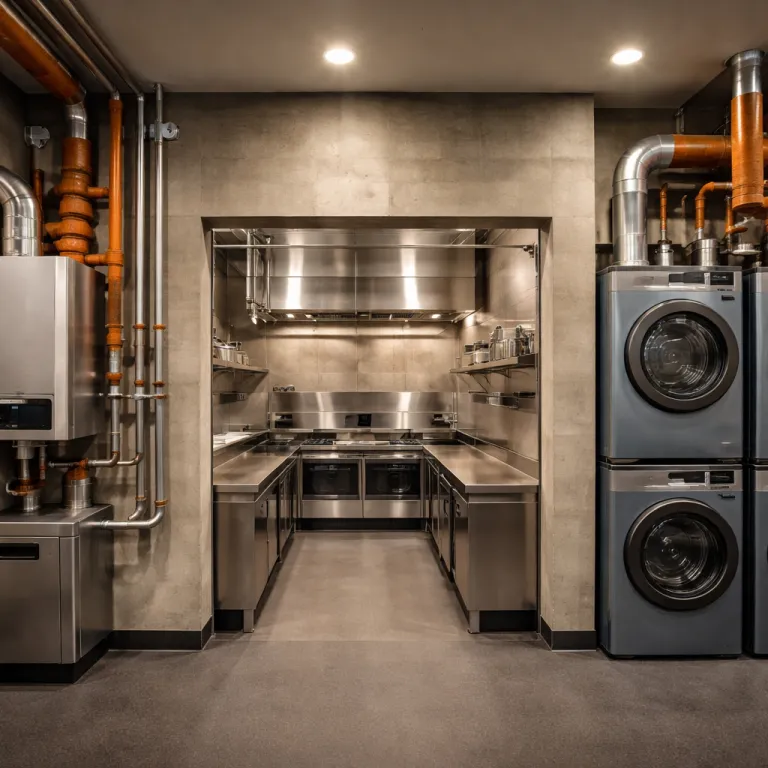
Beyond the boiler room, the kitchen and laundry define a large share of Scope 1 emissions in many hotels. Gas fired ranges, ovens and fryers drive both direct carbon emissions and indirect electricity loads through extraction hoods and cooling systems. On the laundry side, gas dryers, hot water for washing and sometimes on site combined heat and power units all contribute to the total carbon footprint of hotel stays.
In the kitchen, migrating from gas to induction cooking gradually shifts part of the hotel carbon footprint from Scope 1 to Scope 2, which can then be decarbonised through renewable energy contracts or on site solar. Demand controlled ventilation on hoods reduces fan energy consumption and cuts the volume of heated air that must be replaced, which lowers both gas and electricity use. Refrigerant containment and leak detection are essential because F gas losses can dwarf the carbon impact of fuel use, so a tight refrigerant management plan is now a core element of hotel sustainability strategies.
Laundry operations offer similar opportunities to reduce the hotel carbon footprint while protecting guest experience and brand standards. Heat recovery on dryers, ozone washing systems and the gradual conversion from gas fired equipment to high efficiency heat pump dryers can significantly reduce energy consumption per kilogram of linen. When evaluating these projects, general managers should model both the carbon water implications and the financial payback, then integrate the results into internal sustainability benchmarking and external sustainability reporting so investors see credible, quantified impact rather than marketing claims.
Regulation, refrigerants and retrofit timing: getting Scope 1 sequencing right
Every hotel faces the same strategic question about Scope 1 emissions: when to replace natural gas systems and when to run them to end of life. The answer depends on local grid carbon intensity, available renewable energy, capital budgets and the technical constraints of each property. In parallel, tightening F gas regulation is reshaping how hotels plan refrigeration and air conditioning renewals, because high global warming potential refrigerants will become progressively more expensive and restricted.
For boilers, the pre retrofit phase is the moment to extract every efficiency gain from existing assets while planning the next generation of low carbon systems. Condensing boilers with optimised return temperatures, variable speed pumps and weather compensation controls can keep the hotel carbon footprint down until full electrification becomes viable. At change out, many hotels will move towards heat pumps or hybrid systems that combine smaller gas boilers with electric units, which allows a smoother transition as the electricity grid decarbonises.
Refrigeration and air conditioning decisions must now integrate both direct and indirect emissions into the hotel carbon footprint strategy. Choosing equipment that uses lower global warming potential refrigerants reduces the risk of future regulatory penalties and lowers the potential environmental impact of leaks. At the same time, specifying high efficiency chillers and split units reduces electricity consumption, which means that when the hotel purchases renewable energy or invests in on site generation, the carbon footprint per room night falls faster and the property can report stronger progress against net zero pathways.
Evidence, governance and the business case for cutting Scope 1 now
Investors, lenders and public institutions now expect hotel groups to present a coherent, data backed plan for reducing the hotel carbon footprint. Under frameworks such as the CSRD, TCFD and SBTi, the quality of sustainability reporting matters as much as the ambition of the targets. That is why the hospitality alliance behind HCMI and HWMI emphasises consistent methodology, transparent conversion factors and clear documentation of all activity data used to calculate carbon metrics.
For a general manager, this governance agenda translates into very practical tasks on the property. Energy audits, boiler tuning reports, kitchen equipment specifications and laundry process changes all become part of the evidence trail that supports both internal sustainability benchmarking and external assurance. As one industry guidance document puts it, “What are Scope 1 emissions?” and “How can hotels reduce Scope 1 emissions?” sit alongside “Why is it important for hotels to reduce emissions?” in the core training for management and technical équipes.
The financial case for acting before the next major retrofit window is equally clear for most hotels. Scope 1 efficiency projects in boilers, kitchens and laundries often deliver payback periods under four years, while permanently lowering the hotel carbon footprint and strengthening resilience against future carbon pricing. For example, a 200 room mid scale hotel consuming 600,000 kWh of gas per year for hot water and heating that achieves a 12 percent reduction through boiler optimisation saves around 72,000 kWh annually. Using a typical natural gas emission factor of approximately 0.184 kg CO2e per kWh and a gas price of 0.06 per kWh, that is roughly 4,300 in yearly savings and about 13 tonnes of avoided direct emissions, which can repay a 10,000 optimisation and controls upgrade in less than three years.5 For groups tempted to rely heavily on offsets, analysis such as the offset trap and why hotel groups chasing net zero with credits are losing investor trust shows why investors now favour real reductions in on site emissions over paper based compensation schemes.
From single property action to portfolio strategy and circular operations
Cutting Scope 1 emissions at a single hotel is valuable, but the real leverage comes when groups scale these practices across portfolios. Standardised HCMI and HWMI templates, shared carbon measurement protocols and centralised sustainability reporting platforms allow asset managers to compare hotels on a like for like basis. When every property reports carbon emissions, water use and energy consumption per room night using the same methodology, the outliers become visible and capital can be directed where it will have the greatest impact.
Portfolio level strategies increasingly link Scope 1 reductions with circular economy initiatives in procurement, waste and building materials. A hotel that optimises boilers, kitchens and laundries while also redesigning food and beverage operations, linen cycles and maintenance practices will see a faster decline in its total carbon footprint. Resources such as the step by step circular economy implementation guide for hospitality, available through circular economy in hospitality implementation guidance, can help operations teams connect these dots.
For the hotel industry, the next phase of climate action will be defined less by new pledges and more by verifiable reductions in the hotel carbon footprint per guest and per square metre. General managers who treat Scope 1 as the controllable core of their carbon strategy, supported by robust data, clear governance and disciplined execution, will protect asset value and strengthen brand trust. Those who delay until the next full retrofit cycle risk higher operating costs, regulatory pressure and growing scepticism from increasingly sophisticated ESG focused investors. A practical next step is to run a focused Scope 1 audit using HCMI and HWMI data, document the top five boiler, kitchen and laundry opportunities, and convert that shortlist into a funded, time bound action plan.
FAQ
How should a hotel start measuring its Scope 1 emissions?
The first step is to compile twelve months of fuel invoices for gas, oil and other on site combustibles, then record volumes and costs in a structured spreadsheet. Using the HCMI tool or equivalent carbon measurement methodology, apply recognised conversion factors to convert these activity data into carbon emissions per room night and per square metre. Hotels should also include refrigerant top ups and leaks in their Scope 1 inventory, because F gas losses can significantly increase the total carbon footprint.
What are the quickest low cost actions to reduce boiler related emissions?
Regular maintenance, flue gas analysis and burner tuning usually deliver immediate efficiency gains with minimal capital expenditure. Installing or optimising weather compensation controls, checking condensing boiler return temperatures and improving sequencing between multiple boilers can often reduce gas consumption by 8 to 15 percent. These measures lower the hotel carbon footprint while improving comfort and typically pay back within a few heating seasons.
How do kitchen upgrades affect the hotel carbon footprint?
Switching from gas to induction cooking reduces direct Scope 1 emissions and can improve indoor air quality for kitchen staff. When the electricity used for induction is supplied by renewable energy, the overall carbon footprint of food preparation falls significantly. Demand controlled ventilation and efficient refrigeration further cut energy consumption, which reduces both operating costs and the environmental impact of hotel stays.
Should hotels prioritise electrification or efficiency first for Scope 1?
Most properties benefit from maximising efficiency on existing gas systems before full electrification, especially when capital budgets are constrained. Low cost optimisation of boilers, kitchens and laundries reduces the baseline, which means that later investments in heat pumps or other electric technologies deliver larger proportional reductions in the hotel carbon footprint. In parallel, hotels can plan for electrification at natural equipment replacement points, aligning retrofit timing with grid decarbonisation and regulatory changes.
How can Scope 1 work support broader ESG and compliance objectives?
Well documented Scope 1 reductions provide tangible evidence for CSRD disclosures, SBTi targets and lender due diligence processes. By aligning HCMI and HWMI data with internal controls and external assurance, hotels strengthen the credibility of their sustainability reporting and reduce greenwashing risk. This disciplined approach to the hotel carbon footprint also supports better risk management, more informed asset valuations and stronger relationships with ESG focused investors and public institutions.
Notes and indicative sources: (1) Typical share of direct fuel emissions in hotel greenhouse gas inventories based on industry energy audit case studies; (2) Cornell Hotel Sustainability Benchmarking Index, latest available edition; (3) Hotel Carbon Measurement Initiative and Hotel Water Measurement Initiative technical guidance from the Sustainable Hospitality Alliance and WTTC; (4) Internal hotel energy audits and engineering benchmarks for gas use by end use; (5) Emission factor of 0.184 kg CO2e per kWh for natural gas based on commonly used national greenhouse gas conversion factor sets. Always confirm the latest factors and guidance applicable in your jurisdiction.