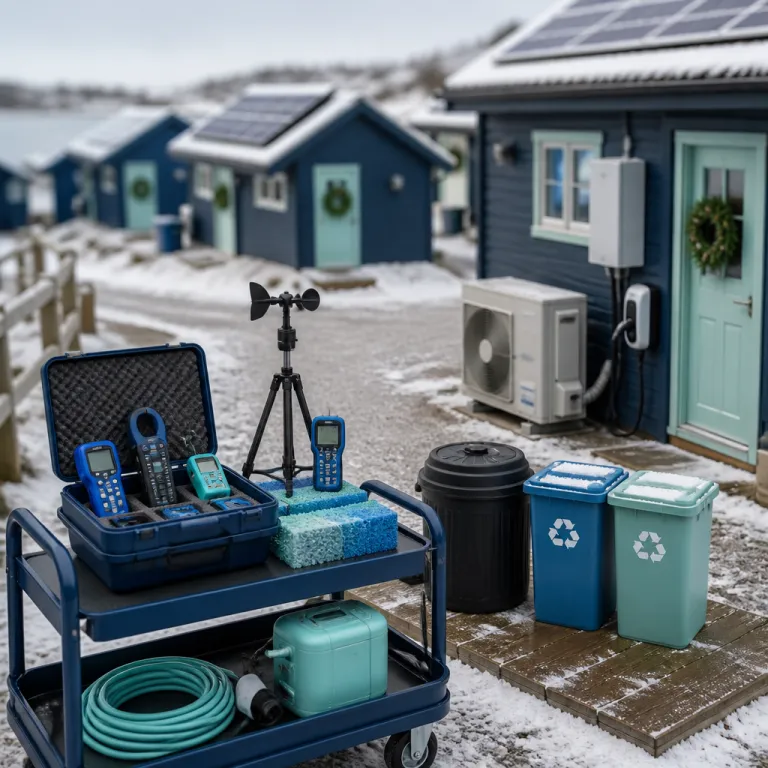
From seasonal charm to strategic ESG asset class
Christmas holiday lodges have moved from niche product to strategic asset in many hotel portfolios. For general managers and asset managers, a Christmas lodge is now a test bed for low impact design, circular operations, and high yield seasonal pricing. This shift is especially visible in destinations where a state park or rural landscape frames the guest experience.
Operators such as Steam Mill Lodges and Cameron Lodges show how luxury lodges with a private hot tub or shared hot tubs can deliver both holiday cheer and measurable ESG outcomes. Their Christmas holiday cabins combine compact footprints, efficient open plan living layouts, and careful ground floor zoning to reduce energy intensity per room and per lodge. When a lodge sleeps four to six guests in two or three bedrooms, pet friendly design and flexible bedrooms for pet owners increase occupancy without expanding the built ground area.
For investors, the festive season is no longer just about decorated Christmas trees and a cosy cabin or cottage. It is about how each Christmas lodge or cluster of cottages performs against climate targets, biodiversity metrics, and social impact KPIs. The fact that Sykes Holiday Cottages manages more than 1,600 holiday lodges and cottages in the United Kingdom illustrates the scale at which sustainable Christmas holiday lodges can influence regional emissions profiles. According to Sykes Holiday Cottages’ publicly reported portfolio statistics for 2023, the company’s managed inventory of lodges and cottages now exceeds this threshold, providing a robust sample for ESG benchmarking and scenario analysis.
ESG market trends behind christmas holiday lodges
Demand for Christmas holiday lodges has surged as guests seek a quieter escape in December, away from crowded city hotels. Industry data shows that average occupancy for such lodges during the festive season can reach around 85 percent, which turns each cabin, cottage, or lodge Christmas package into a powerful lever for ESG performance. This figure is consistent with winter peak occupancy ranges reported in UK self-catering sector surveys and internal benchmarking by large lodge operators, although exact rates vary by region and year. When a lodge sleeps a family for several nights instead of a single room stay, the emissions per guest night can fall if design and operations are optimised.
Three converging trends now shape this market. First, guests increasingly ask whether a Christmas lodge uses renewable energy for its hot tub, swimming pool, and heating, and whether the surrounding park or state park is managed for biodiversity. Second, families booking a pet friendly lodge or cottages with bedrooms for pet owners want assurance that waste, grey water from hot tubs, and ground maintenance follow strict environmental standards. Third, couples booking romantic Christmas holiday lodges expect low carbon festive dining room experiences, not just a decorated Christmas tree in an open plan living space.
These expectations align closely with the way sustainable hotels turn romantic escapes into ESG proof points, as shown by best practices in sustainable romantic escapes with ESG integrity. For compliance officers and responsables RSE, the message is clear. Seasonal products such as Christmas holiday lodges must be integrated into the same ESG reporting perimeter as core hotel assets, with clear data on energy, water, waste, and community impact for every festive season.
Designing low impact lodges and cabins for the festive season
Physical design is where ESG ambitions for Christmas holiday lodges either succeed or fail. A well planned lodge or cabin can reduce operational emissions for every Christmas year, while still offering the cosy atmosphere guests expect at this time of year. The key is to treat each lodge, cottage, or cluster of luxury lodges as a micro hotel with its own energy, water, and waste profile.
Open plan living layouts help reduce material use and improve natural light, which cuts lighting demand in the dining room and main living room. Locating the main bedroom and any bedrooms for pet owners on the ground floor reduces lift requirements and improves accessibility, especially for older guests visiting in December when paths and ground surfaces may be slippery. Where a lodge sleeps six or eight guests, zoning the plan living areas away from bedrooms allows better temperature control and lower heating loads during the festive season nights.
Outdoor amenities such as a hot tub, multiple hot tubs, or a small swimming pool are now under intense ESG scrutiny. Operators must show how each hot tub is insulated, how water is treated, and how energy is sourced, especially in sensitive park or state park locations. Lessons from sustainable resorts that welcome large family reunions, such as those analysed in ESG aligned family resort operations, can be applied directly to Christmas holiday lodges. The objective is simple but demanding: every cabin, cottage, and Christmas lodge must deliver a festive, hot bath experience with a minimal environmental footprint. For example, a typical 35 m² lodge using around 18–22 kWh of heating energy per occupied night can often cut this by 15–20 percent through high performance insulation and smart thermostats, while efficient hot tub covers can reduce standby heat loss by a similar margin.
Operational ESG : from hot tubs to housekeeping
Once the design is fixed, operational discipline determines whether Christmas holiday lodges genuinely support corporate ESG strategies. Housekeeping, maintenance, and food and beverage services must be aligned with the same compliance frameworks that govern urban hotels. This is particularly important when a portfolio mixes traditional hotels with dispersed lodges in rural park settings.
Energy management is the first operational frontier. Heating demand peaks in December, especially on a Saturday in December when arrivals are concentrated and every lodge, cabin, and cottage is occupied for multiple nights. Smart controls for each room, ground floor zone, and hot tub can reduce wasted energy, while clear guest communication encourages responsible use of hot tubs and swimming pools during the festive season. Water stewardship is the second frontier, because repeated filling and cleaning of hot tubs, showers, and pet friendly washing areas can strain local supplies. A mid sized lodge with a four person hot tub can easily consume 400–600 litres of water per change, so operators increasingly track litres per guest night alongside kilowatt hours per occupied lodge.
Waste and procurement complete the operational ESG picture. A decorated Christmas tree in every Christmas lodge is attractive, but it must be sourced from certified forestry and reused or composted after the holiday period. Catering for guests who stay in open plan lodges with a private dining room or shared dining facilities should prioritise local, seasonal products to reduce transport emissions. As one industry FAQ puts it, “Some lodges are decorated; others allow guests to bring their own decorations.” This simple operational choice can significantly reduce waste volumes and support compliance with local waste regulations.
Compliance, reporting, and the role of data
For responsables conformité and auditors, Christmas holiday lodges present both a challenge and an opportunity. The challenge lies in consolidating data from scattered lodges, cottages, and cabins into a single ESG reporting framework. The opportunity is that these seasonal assets often have clearer boundaries than complex mixed use hotels, which makes measurement more precise.
Every lodge that sleeps guests during the festive season should have metered energy and water use, with separate tracking for high intensity features such as hot tubs and swimming pools. When a portfolio includes pet friendly lodges, cottages with bedrooms for pet owners, and units with ground floor accessibility, data should capture how these features influence occupancy, length of stay, and resource consumption. Over several years, this allows asset managers to compare the ESG performance of a Christmas lodge with that of a standard hotel room or urban serviced apartment. A simple property level dashboard might report monthly kilowatt hours per occupied lodge, litres of water per guest night, hot tub water changes per stay, and kilograms of waste per booking, alongside occupancy and average length of stay.
Regulators and public institutions increasingly expect transparent reporting on nature impacts in park and state park locations. This includes how the ground is managed around each lodge, how paths are lit during dark December nights, and how noise from hot tubs or outdoor dining room areas is controlled. To align with best practice in sustainable value creation, hotel groups can draw on frameworks similar to those discussed in analyses of ESG compliant hotel outlets. The same logic applies: clear data, consistent metrics, and a direct link between operational decisions and long term asset value.
Social impact, guest expectations, and long term asset value
Christmas holiday lodges are powerful social assets as well as financial ones. Families and couples use these lodges, cabins, and cottages to mark important life moments, which gives operators a unique opportunity to shape perceptions of sustainable travel. When guests associate holiday cheer with low impact stays, the reputational benefits extend far beyond a single festive season.
Operators such as C Lazy U Ranch and Big Cedar Lodge demonstrate how curated activities can reinforce this link. Their Christmas holiday lodges and cabins host ice skating, snow tubing, horseback riding, and Santa visits that are carefully scheduled to minimise pressure on the surrounding park environment. When a lodge sleeps a family for several nights, staff can engage guests in conversations about local ecosystems, responsible use of hot tubs and swimming pools, and respectful behaviour in nearby state park trails. Over time, this builds a community of repeat guests who value ESG integrity as much as a cosy ground floor living room or a private hot tub.
For investors, the long term value of Christmas holiday lodges depends on this alignment between guest expectations and ESG delivery. A decorated Christmas tree, a warm cabin, and a comfortable dining room remain essential, but they are no longer sufficient. The assets that will retain value over the next decade are those where every Christmas lodge, every cluster of luxury lodges, and every pet friendly cottage is managed as part of a coherent ESG strategy, backed by transparent data and rigorous compliance.
Key statistics for sustainable christmas holiday lodges
- The United Kingdom currently counts more than 1,600 dedicated holiday lodges and cottages operated by Sykes Holiday Cottages, illustrating how seasonal lodge products have become a mainstream accommodation type in the regional hospitality market. This figure is drawn from Sykes Holiday Cottages’ own published inventory data and associated market updates.
- Average occupancy for Christmas holiday lodges during the festive season reaches around 85 percent according to industry reports, which means that efficiency gains in energy and water use at these properties can materially influence portfolio level ESG performance. Internal monitoring by several large lodge operators confirms that peak December occupancy often approaches or exceeds this level in mature markets.
- Seasonal lodge stays typically concentrate in a short December window of two to seven nights, so peak load management for heating, hot tubs, and swimming pools is critical to avoid grid stress and unnecessary emissions.
- All inclusive ranch style properties such as C Lazy U Ranch and resort complexes like Big Cedar Lodge show that integrating activities such as snow tubing and horseback riding into a single package can improve both guest satisfaction and the predictability of ESG related operational costs.
- With demand rising for secluded, pet friendly cabins and luxury lodges in park and state park locations, local authorities increasingly link planning approvals to clear commitments on biodiversity protection, dark sky policies, and low impact ground maintenance.
FAQ about ESG and christmas holiday lodges
Are Christmas holiday lodges usually decorated for the festive season ?
Many operators provide at least one decorated Christmas tree and seasonal touches in each lodge, cabin, or cottage. Others offer a basic festive setup and invite guests to bring their own decorations, which can reduce waste and allow more personalised experiences. Policies vary, so compliance teams should ensure that any supplied décor meets fire safety and sustainability standards.
What activities are typically offered at ESG focused Christmas lodges ?
Common activities include ice skating, snow tubing, guided nature walks, and festive dining experiences that highlight local produce. Properties such as Big Cedar Lodge and C Lazy U Ranch also integrate horseback riding and family events with Santa visits into their Christmas lodge programmes. ESG aligned operators assess each activity for its environmental impact, especially in sensitive park or state park environments.
How far in advance should operators plan ESG measures for the festive season ?
Operational planning for Christmas holiday lodges should begin several months before the first December arrivals. This allows time to secure renewable energy contracts, adjust staffing for pet friendly units, and schedule maintenance for hot tubs and swimming pools. Early planning also helps align marketing messages about sustainability with the actual on site experience.
Do hot tubs and swimming pools undermine ESG performance in Christmas lodges ?
Hot tubs and small swimming pools are energy and water intensive, but they do not automatically undermine ESG performance if managed carefully. High efficiency equipment, good insulation, renewable energy sourcing, and strict water treatment protocols can significantly reduce their footprint. Transparent communication about these measures is essential for both guests and auditors.
How can investors assess the ESG quality of a Christmas lodge portfolio ?
Investors should request property level data on energy, water, waste, and occupancy for each lodge, cabin, and cottage, with separate figures for high impact features such as hot tubs. They should also review how the operator manages impacts on surrounding park or state park areas, including ground maintenance and biodiversity. Finally, alignment with recognised ESG frameworks and third party audits provides additional assurance of long term asset resilience.