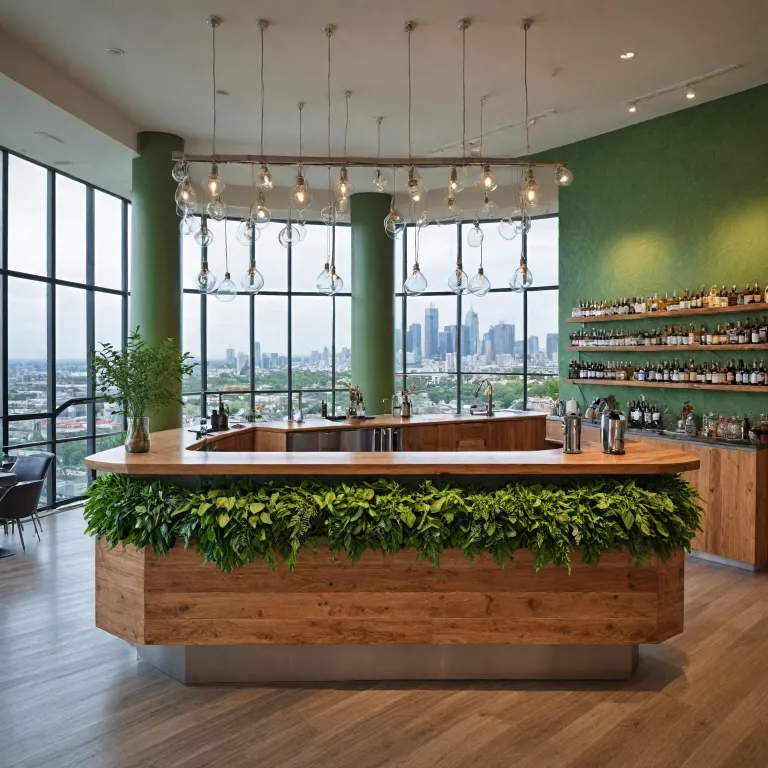
Embedding ESG strategy into every hotel beverage outlet
In many hotel groups, the beverage outlet remains a blind spot for ESG strategy. Yet this single space concentrates intensive energy use, complex supply chains and sensitive compliance risks, while shaping guest perception of sustainability. For directions générales and asset managers, the beverage outlet is therefore a strategic lever for climate targets, brand equity and long term asset value.
When a hotel bar, lounge or lobby beverage outlet is treated as a miniature ecosystem, ESG priorities become clearer and more measurable. Energy efficient refrigeration, low impact materials and responsible sourcing of every beverage and food item can be aligned with corporate science based targets and taxonomy requirements. This approach also supports investors who increasingly scrutinize granular operational data, not only high level ESG narratives.
Compliance teams should map the full lifecycle of each beverage, from procurement to sale and post consumption waste. This mapping must integrate licensing, age verification, health and safety, anti bribery risks and labour standards within the beverage outlet workforce. By doing so, the hotel can transform a traditional profit center into a transparent, auditable and resilient node within the wider ESG governance framework.
From discount beverage mindset to responsible procurement and pricing
Many hotel bars still operate with a discount beverage mindset, prioritizing margin over impact. However, responsible procurement can coexist with competitive pricing when buyers leverage volume, long term contracts and data driven forecasting. The objective is to maintain a compelling beverage outlet offer while reducing environmental and social externalities across the portfolio.
Procurement policies should differentiate between premium and value segments without defaulting to the cheapest beverage or wines. For example, a hotel can negotiate sustainable certifications for house wine and beers, while maintaining a curated list of higher margin wines for connoisseurs. Transparent communication about sourcing helps guests understand why a particular beverage or beer may cost slightly more, while reinforcing trust in the brand.
ESG aligned pricing can also move beyond simple outlet discount tactics or generic beer specials. Instead of constant discount beverage campaigns, hotels can design time bound specials that promote low impact items, such as organic wine or local beers. This approach protects revenue integrity, supports responsible producers and reduces the risk of overconsumption linked to aggressive sale promotions in the beverage outlet.
Decarbonizing the beverage outlet through energy, water and waste management
The typical beverage outlet is energy intensive, with refrigeration, ice machines and lighting operating almost continuously. Engineering teams should benchmark consumption per square metre and per beverage sale, then set reduction targets aligned with corporate climate commitments. Smart meters, variable speed compressors and LED light systems can significantly reduce the energy footprint without compromising guest experience.
Water use in a beverage outlet is often underestimated, especially for glass washing, ice production and cleaning routines. Installing low flow taps, optimizing dishwasher loads and training staff on efficient cleaning protocols can reduce water intensity per beverage served. These measures become even more powerful when combined with renewable energy strategies, such as a 5 kW solar system that supports bar operations, as detailed in this analysis on maximizing sustainability and compliance in hotels with a 5 kW solar system.
Waste management in the beverage outlet should prioritize elimination, then reduction, reuse and finally recycling. Refillable kegs for beers and soft drinks, bulk formats for certain wines and standardized glassware can drastically cut packaging waste. When combined with digital inventory tools, hotels can minimize expired items, reduce write offs and improve the ESG profile of every beverage sale across the property.
Alcohol responsibility, health, and regulatory compliance in hotel bars
For compliance officers, the beverage outlet is a high risk environment that demands robust controls. Age verification, responsible service of alcohol and adherence to local licensing laws must be embedded into daily routines, not treated as occasional reminders. Clear procedures, regular audits and incident reporting systems are essential to protect guests, staff and the hotel’s licence to operate.
Responsible service policies should address portion sizes, drink strength and the pacing of each beverage sale. Training programs can help staff recognize signs of intoxication and intervene early, while still maintaining a refined guest experience. Hotels should also integrate non alcoholic beverage options and light beers into menus, supporting guests who seek moderation without feeling excluded from the social atmosphere of the beverage outlet.
Health and safety considerations extend beyond alcohol to hygiene, allergen management and staff wellbeing. Proper storage of all items, from wines to garnishes, reduces contamination risks and supports compliance with food safety regulations. By documenting these controls and linking them to ESG reporting, hotels can demonstrate that their beverage outlet operations respect both regulatory frameworks and broader social responsibility expectations.
Data, technology and ESG reporting for beverage outlet operations
High quality ESG reporting increasingly requires granular operational data from every beverage outlet in a hotel portfolio. Point of sale systems, inventory software and energy meters already generate valuable datasets that can be repurposed for sustainability and compliance analytics. The challenge for directions générales and RSE leaders is to integrate these data streams into coherent dashboards that support decision making.
By tracking beverage categories, items sold and waste levels, hotels can identify patterns that affect both profitability and impact. For example, if certain wines or beers consistently underperform, procurement teams can adjust assortments to favour local or lower carbon alternatives. Similarly, monitoring the ratio of draft to bottled beers can highlight opportunities to expand keg use and reduce packaging intensity in the beverage outlet.
Energy and water data linked to bar operations can be combined with broader hotel level initiatives, such as a 600 watt solar panel strategy described in this article on elevating ESG performance in hotels with solar. When these insights are integrated into ESG reports, investors and auditors gain a clearer view of operational excellence. This transparency strengthens the credibility of sustainability claims and supports long term asset valuation for properties with high performing beverage outlet operations.
Learning from retail beverage outlet models while avoiding greenwashing
Hotel executives can learn from specialized retail models such as a large beverage superstore in Augusta, Georgia, which operates as a discount beverage superstore with around 5 000 items and a strong focus on customer satisfaction. This type of store, located near a major expressway with ample parking and extended opening hours, demonstrates how scale, assortment and service can be optimized. However, hotels must adapt these lessons carefully to preserve brand positioning, regulatory compliance and ESG integrity.
Retail concepts show how a beverage outlet can use data, inventory management and contactless payment systems to streamline operations. They also illustrate how weekly specials and loyalty programs can drive repeat visits without eroding margins. In a hotel context, similar tools can support targeted specials that highlight sustainable items, rather than generic outlet discount campaigns that risk encouraging overconsumption.
To avoid greenwashing, hotels should ensure that any sustainability claims linked to their beverage outlet are specific, verifiable and proportionate. If a bar promotes organic wines or local beers, procurement records and supplier certifications must substantiate these statements. Transparent communication about limitations, such as the availability of certain kegs or seasonal items, further reinforces trust among investors, auditors and increasingly informed guests.
Aligning beverage outlet transformation with long term hotel ESG roadmaps
Transforming the beverage outlet into an ESG showcase requires alignment with the hotel’s long term roadmap. Directions générales should integrate bar and lounge initiatives into capital planning, ensuring that refrigeration upgrades, water saving devices and low carbon materials are prioritized alongside guest room renovations. This integrated approach helps asset managers justify investments by linking operational savings, risk reduction and enhanced brand value.
Cross functional governance is essential, bringing together RSE leaders, compliance officers, finance teams and operations managers. Regular reviews can track progress on energy intensity, waste reduction, responsible alcohol service and supplier performance within the beverage outlet. When these metrics feed into group level ESG targets, they create a virtuous circle that reinforces both financial and non financial performance.
Finally, hotels can benchmark their beverage outlet performance against peers and best practice case studies, including properties that leverage renewable energy as highlighted in this article on hotels that use renewable energy to set new standards. Sharing results with investors, public institutions and auditors demonstrates a commitment to continuous improvement. Over time, the beverage outlet evolves from a traditional profit center into a visible symbol of the hotel’s ESG ambition and compliance excellence.
Key quantitative ESG and operational statistics for hotel beverage outlets
- Energy use in bar and lounge areas can represent up to 10–15 % of total hotel electricity consumption, depending on concept and operating hours.
- Efficient refrigeration and LED lighting retrofits in a beverage outlet typically reduce related energy consumption by 20–30 % within the first operating cycle.
- Switching from bottled to draft formats for beers can cut packaging waste by 60–80 % per litre served, while often improving gross margin.
- Hotels that implement structured responsible service of alcohol training report reductions of 25–40 % in alcohol related incidents in bar areas.
- Digital inventory and waste tracking in the beverage outlet can lower product write offs by 15–25 % over the first year of implementation.
Frequently asked questions about ESG and compliance in hotel beverage outlets
How can a hotel bar reduce its environmental footprint without harming revenue ?
A hotel bar can reduce its footprint by targeting energy, water and waste simultaneously while protecting guest experience. Priorities include efficient refrigeration, LED lighting, low flow taps, optimized glass washing and a shift toward draft formats for beers and some soft drinks. Carefully designed menus and pricing can then highlight lower impact options, maintaining or even improving revenue per beverage sale.
What are the main compliance risks in a hotel beverage outlet ?
The main compliance risks include alcohol licensing breaches, inadequate age verification, irresponsible service leading to guest harm, and failures in health and safety or food hygiene. Additional risks relate to labour standards, anti bribery controls in procurement and accurate tax reporting on beverage sales. Robust procedures, staff training, incident logging and periodic audits are essential to manage these exposures.
How should ESG teams measure performance in the beverage outlet ?
ESG teams should track energy and water intensity per square metre and per beverage sale, along with waste volumes and recycling rates. They should also monitor the share of sustainable or certified products in total beverage purchases, and the ratio of draft to bottled formats. Combining these indicators with financial metrics allows management to evaluate both impact and profitability.
What role do investors and asset managers play in bar sustainability ?
Investors and asset managers can set clear expectations for ESG performance in beverage outlets, linking them to financing terms or asset business plans. They can require granular reporting on energy, water, waste and responsible alcohol service, not just high level sustainability statements. By supporting targeted capex for efficient equipment and renewable energy, they help de risk assets and enhance long term value.
How can hotels engage guests in responsible beverage consumption ?
Hotels can engage guests through menu design, clear information and subtle behavioural nudges rather than restrictive rules. Offering appealing non alcoholic options, light beers and moderate portion sizes encourages balanced choices without diminishing enjoyment. Staff training in responsible service and empathetic communication further supports guest wellbeing and reinforces the hotel’s ESG commitments.