Eco‑friendly luxury accommodation in Queensland as an ESG laboratory
Across Queensland’s premium resort market, high‑end eco stays now operate as living laboratories for serious ESG strategies in hospitality. For general managers and ESG leaders, each luxury resort or lodge functions as a test bed where climate risk, biodiversity protection, and guest expectations intersect in real time. These hotels in Australia show that a refined style of service can coexist with rigorous environmental compliance and measurable impact.
From Magnetic Island to the Daintree Rainforest, Queensland eco‑luxury resorts are aligning capital expenditure with sustainability KPIs and asset resilience. Magnetic Glamping on Magnetic Island, Daintree Ecolodge in the Daintree Rainforest, Airlie Beach Eco Cabins near the Whitsunday Islands, Glass House Mountains Ecolodge, and Neureum Park Luxury Eco Villas all illustrate how eco‑conscious design can support premium pricing and long‑term asset value. For investors and asset managers, high‑end sustainable stays in this region are no longer a niche; they are a forward indicator of where resort luxury and hotel compliance standards are heading.
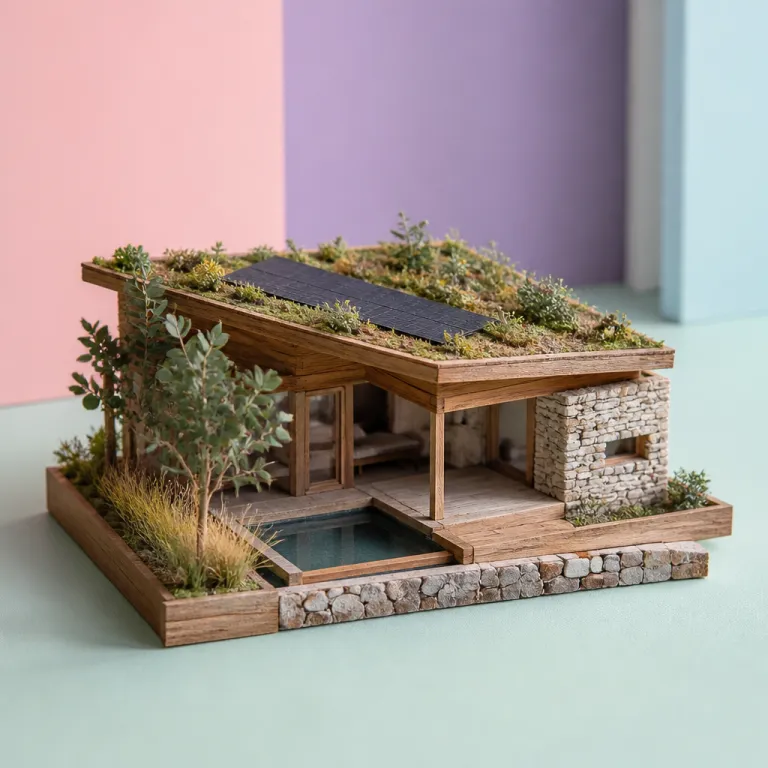
These properties integrate solar power, rainwater harvesting, and low‑impact construction into their core accommodation offer rather than treating them as marketing extras. Guests enjoy rainforest retreat experiences, island eco stays, and boutique accommodation that are framed by clear sustainability narratives and verified data. For compliance officers and auditors, this shift creates both an opportunity and an obligation to embed robust governance around claims, certifications, and reporting in every eco resort and island resort portfolio.
Green certifications as strategic tools for luxury hotels and resorts
For Queensland’s eco‑conscious luxury segment, green certifications have moved from optional badges to strategic tools that shape investment decisions. Certifications such as EarthCheck, Green Globe, or Ecotourism Australia’s ECO Certification provide structured frameworks that help each resort or hotel translate broad ESG ambitions into auditable standards. They also give institutional investors and public bodies a common language to compare very different properties, from a heritage‑listed rainforest lodge to a contemporary island eco resort.
In north Queensland, where the Great Barrier Reef and the Daintree Rainforest sit side by side, certification schemes increasingly integrate both marine and terrestrial criteria. A luxury eco resort near the Great Barrier Reef must now demonstrate how it protects the reef and the surrounding bay, while a rainforest retreat bordering a national park must show how it manages water, waste, and wildlife corridors. This dual focus is particularly relevant for sustainable high‑end accommodation in Queensland, where many hotels operate between the barrier reef, the rainforest, and fragile coastal wetlands.
Compliance teams should treat these labels as governance instruments, not just marketing assets, especially as regulators scrutinise environmental claims more closely. The evolving European framework on green claims and the hotel certification ecosystem, analysed in the European Commission’s 2023 proposal for a Green Claims Directive, offers a preview of the level of evidence that may soon be expected globally. For asset managers overseeing multiple hotels in Australia, aligning internal audit processes with recognised certification standards helps reduce greenwashing risk while reinforcing the credibility of every eco‑driven resort luxury asset in Queensland.
From climate risk to asset resilience in Queensland’s eco‑luxury segment
Queensland’s sustainable luxury accommodation sits on the frontline of climate risk, especially along the Great Barrier Reef coast and in low‑lying bay areas. Cyclones, heatwaves, and coral bleaching events are no longer abstract scenarios; they directly affect occupancy, insurance premiums, and long‑term valuations. For investors, the question is not whether to integrate climate risk into hotel strategy, but how fast.
Properties near the Great Barrier Reef, Green Island, or other island resort locations must now demonstrate robust adaptation plans to insurers and lenders. A luxury resort that uses solar power, elevated walkways, and water‑sensitive landscaping can show tangible risk mitigation, which increasingly influences underwriting decisions. Industry commentary on Australian hotel insurance has highlighted that climate‑related losses are driving premium increases of 10–20% in some coastal regions, often faster than many ESG roadmaps evolve.
For compliance officers and ESG managers, Queensland’s eco‑luxury segment offers concrete examples of how to link physical risk assessments with operational changes. A rainforest retreat in the Daintree Rainforest may redesign its lodge roofs for cyclone resistance, while an island eco resort might relocate critical infrastructure above projected storm‑surge levels. When these measures are embedded in green certification criteria and reported transparently, they strengthen both the environmental narrative and the financial resilience of hotels in Australia’s most exposed coastal and rainforest regions.
Operationalising eco standards in luxury resorts and lodges
Translating ESG ambitions into daily operations is where Queensland’s eco‑luxury resorts truly differentiate themselves. At Magnetic Glamping, air‑conditioned safari lodges with private ensuites and kitchenettes are paired with low‑impact design and careful water management. The property, listed in Ecotourism Australia’s Green Travel Guide in 2023, reports that more than 90% of its power needs are met by on‑site solar generation during peak season, according to owner‑manager statements.
Daintree Ecolodge offers guests treehouse‑style suites immersed in the Daintree Rainforest, while maintaining strict controls on lighting, noise, and waste to protect nocturnal wildlife. The lodge holds Advanced ECO Certification from Ecotourism Australia and has documented reductions in mains water use of around 30% over the past decade through rainwater capture and efficiency upgrades. Airlie Beach Eco Cabins, an adults‑only retreat, shows how boutique accommodation can integrate eco‑conscious practices without compromising comfort. Guests enjoy private eco cabins surrounded by Australian bushland, while behind the scenes, rainwater harvesting, efficient appliances, and native landscaping reduce the property’s footprint.
Glass House Mountains Ecolodge and Neureum Park Luxury Eco Villas demonstrate similar principles in different landscapes, from volcanic peaks to expansive bushland, each lodge using solar power and eco materials to align luxury with low‑impact operations. For general managers and RSE leaders, these examples illustrate how to embed sustainability into every touchpoint, from procurement to housekeeping. Informal staff training sessions can be combined with formal SOPs, ensuring that every hotel, resort, or rainforest retreat in Queensland maintains consistent standards. When premium eco stays in the state integrate these practices into documented procedures, it becomes easier for auditors to verify compliance and for asset managers to benchmark performance across multiple hotels in Australia.
Guest experience, informal luxury, and credible sustainability narratives
Queensland’s island and rainforest retreats prove that high‑end travel can feel relaxed, informal, and deeply responsible at the same time. Guests now expect more than a comfortable room; they want to understand how their stay supports the Great Barrier Reef, the Daintree Rainforest, or nearby national park ecosystems. For ESG teams, this shift turns every interaction into an opportunity to communicate verified impact rather than vague eco‑themed slogans.
On an island resort near the Great Barrier Reef or Green Island, guests enjoy guided reef‑safe snorkelling, low‑emission transfers, and menus built around local produce. In a rainforest retreat close to the Daintree Rainforest, a short hour’s drive from regional hubs, interpretive walks and citizen‑science projects can connect visitors to conservation work. Properties such as Magnetic Glamping or Daintree Ecolodge show how sustainable luxury accommodation in Queensland can use storytelling, data, and design to create a boutique experience that feels both intimate and responsible.
Waste management is another visible touchpoint where luxury and ESG now intersect. A 2022 case study on food and beverage packaging in hotels by the Australian Packaging Covenant Organisation reported that targeted packaging changes can cut front‑of‑house waste volumes by 20–30% without diluting the guest experience. When hotels in Australia communicate such initiatives clearly, they strengthen trust with guests, auditors, and investors, while reinforcing the positioning of Queensland’s eco‑conscious luxury segment as a benchmark for responsible yet stylish travel.
Governance, data, and the role of auditors in eco‑luxury hospitality
For Queensland’s sustainable high‑end accommodation to retain credibility, governance and data quality must match the ambition of the marketing. ESG and compliance teams need clear data architectures that track energy, water, waste, and biodiversity indicators across every resort, lodge, and hotel in the portfolio. This is particularly important for properties operating near the Great Barrier Reef, the Daintree Rainforest, or within national park buffer zones, where regulatory scrutiny is high.
Auditors and public institutions increasingly expect third‑party verification of sustainability claims, especially when hotels in Australia promote themselves as eco resort leaders or as award‑winning examples of eco‑driven luxury. Industry surveys such as Booking.com’s 2023 Sustainable Travel Report indicate that around 76% of global travellers want to travel more sustainably, and more than half look for sustainability information when booking accommodation. Tourism and Events Queensland has also reported steady growth in certified eco‑tourism operators since 2020, signalling strong demand for independently verified practices. As one guidance note succinctly puts it, “What defines an eco‑friendly luxury accommodation? Accommodations combining luxury amenities with sustainable practices.”
For asset managers and investors, this means integrating ESG metrics into financial models and risk assessments, not treating them as side notes. Eco‑focused luxury accommodation in Queensland that can demonstrate robust governance, transparent reporting, and alignment with recognised certification schemes will be better positioned to secure favourable financing and insurance terms. Over time, these governance strengths will differentiate truly sustainable resort luxury assets from those that rely on informal claims, ensuring that Queensland’s most sensitive island, bay, and rainforest locations are managed with both elegance and accountability.
Key statistics on eco‑friendly luxury accommodation in Queensland
- Recent sustainable travel surveys, including Booking.com’s 2023 report, indicate that a clear majority of travellers now actively seek accommodation with credible environmental practices, which directly supports the growth of eco‑aligned luxury stays in Queensland.
- Tourism reporting for Queensland shows a marked increase in certified eco‑tourism and eco‑luxury properties since 2020, with Ecotourism Australia noting that the total number of ECO‑certified operators nationwide passed 1,500 in 2022, signalling strong investor and guest demand for environmentally responsible resort models.
- Properties such as Magnetic Glamping, Daintree Ecolodge, Airlie Beach Eco Cabins, Glass House Mountains Ecolodge, and Neureum Park Luxury Eco Villas operate year‑round, showing that eco‑focused luxury stays in Queensland are not limited to a single season.
- Many of these resorts and lodges are located within a few hours’ drive of major regional centres, which reduces transfer emissions compared with long internal flights and supports more sustainable itineraries for guests.
FAQ about eco‑friendly luxury accommodation in Queensland
What defines eco‑friendly luxury accommodation in Queensland ?
In this context, eco‑friendly luxury accommodation in Queensland combines high‑end amenities with verifiable sustainability practices, such as renewable energy, water conservation, and biodiversity protection. Properties like Daintree Ecolodge or Magnetic Glamping offer premium comfort while minimising environmental impact. Certification by recognised schemes such as Ecotourism Australia, EarthCheck, or Green Globe often confirms these standards.
Are eco‑luxury resorts in Queensland more expensive than conventional hotels ?
Prices for environmentally responsible luxury stays in Queensland vary by location, season, and level of service. Some eco resorts and boutique hotels command higher rates because they invest in solar power, eco materials, and conservation programs. For many guests and investors, these higher costs are justified by stronger ESG performance and a more meaningful travel experience.
How can I verify the sustainability claims of a Queensland eco resort ?
To verify claims, look for recognised certifications such as EarthCheck, Green Globe, or Ecotourism Australia, and request recent sustainability reports. Serious eco‑driven luxury properties in Queensland will publish data on energy, water, waste, and conservation outcomes. Audited information and third‑party labels provide stronger assurance than informal marketing statements.
Do eco‑friendly luxury properties compromise on comfort or service ?
Well‑managed Queensland eco‑luxury resorts do not compromise on comfort; they reframe it. Guests enjoy high‑quality bedding, refined cuisine, and attentive service, while behind the scenes, operations minimise environmental impact. The goal is to align luxury with responsibility rather than trade one for the other.
Why is Queensland a leading region for eco‑luxury hospitality ?
Queensland hosts globally significant ecosystems such as the Great Barrier Reef, the Daintree Rainforest, and multiple national parks, which attract eco‑conscious travellers. This natural capital has encouraged hotels and resorts to adopt advanced sustainability practices and seek green certifications. As a result, eco‑friendly luxury accommodation in Queensland has become a reference point for ESG‑driven hospitality worldwide.
Conclusion: priorities for ESG leaders in Queensland’s eco‑luxury sector
For ESG leaders, the lesson from Queensland’s eco‑luxury accommodation is clear: credible sustainability now depends on three pillars working together. First, rigorous certifications and climate risk assessments must guide investment and design decisions. Second, operational standards—from procurement to waste management—need to embed low‑impact practices without eroding guest comfort. Third, governance, data quality, and transparent reporting should give auditors and investors confidence that environmental claims are backed by evidence. Organisations that align these elements will be best placed to protect sensitive ecosystems, secure resilient returns, and set the benchmark for responsible resort luxury in Australia and beyond.