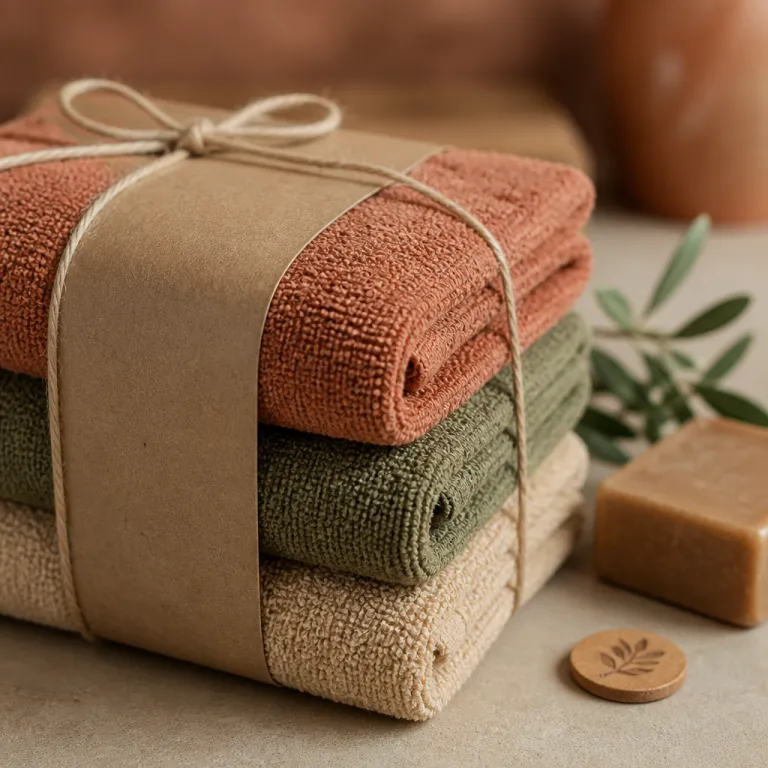
From plush towel sets to ESG narrative in luxury hotels
A luxurious hotel-style plush towel set can either be a silent ESG risk or a visible sustainability asset. When a general manager links every bath towel, hand towel, and bath sheet to measurable environmental and social KPIs, the humble towel becomes a strategic product rather than a decorative accessory. For boards and asset managers, this shift in view transforms routine linen purchasing into a lever for long-term value creation and risk mitigation.
In upscale properties, guests now expect luxury bath experiences with soft towels that feel indulgent yet align with responsible sourcing standards. Brands such as Hotel Style, Juicy Couture, and Luxury Egyptian Linens already market 100% cotton towel sets, and their positioning shows how hotel procurement teams can use material composition, average price in USD, and durability as decision criteria. When ESG and compliance teams evaluate each towel set as part of a wider hotel collection, they can connect lifecycle impacts to climate targets, water stewardship, and human rights due diligence, drawing on frameworks such as the UN Guiding Principles on Business and Human Rights and the OECD Due Diligence Guidance for Responsible Supply Chains.
For ESG leaders, the question is no longer whether to offer luxury but how to define a luxury collection of towels that is compatible with science-based decarbonisation pathways. A plush Turkish or Egyptian cotton towel can be specified with certified Turkish cotton, traceable farm-level data, and supplier audits that satisfy both investors and public institutions. This is where a curated collection of bath towels, hand towels, bath sheets, and bath mats becomes a tangible expression of the hotel’s ESG strategy rather than a purely aesthetic choice, and where a clear procurement checklist for fibre origin, certifications, and audit frequency turns intent into practice.
Material choices, water stress, and compliance risks in towel supply chains
Material selection for every towel set sits at the intersection of water risk, labour standards, and regulatory compliance. Cotton remains the dominant fibre for hotel towels, yet Turkish cotton and Egyptian cotton often come from regions facing high water stress and complex labour issues, as highlighted in assessments by the World Resources Institute and the Better Cotton Initiative. For compliance officers, mapping these supply chains for each product and each piece in the set is now as critical as fire safety documentation and building code conformity.
When a hotel chooses Turkish towels for its spa or pool towel stock, ESG managers must evaluate certifications, irrigation practices, and ginning processes that affect both emissions and biodiversity. A luxury bath towel made from Turkish cotton fibres can support ESG goals if the supplier provides transparent data on pesticide use, worker protections, and wastewater treatment, consistent with standards such as Fairtrade Textile Standard or Global Organic Textile Standard (GOTS). This is particularly relevant for historic properties repositioned as ESG leaders, such as the type of boutique hotels highlighted in analyses of how historic inns become ESG leaders in coastal destinations, where local ecosystems are especially sensitive to upstream water use.
Compliance teams should integrate towel procurement into their broader human rights and environmental due diligence frameworks. That means checking whether the regular price and any sale price offered by suppliers reflect fair wages and safe working conditions rather than aggressive cost cutting. It also means ensuring that hotel collection contracts for bath sheets, hand towels, and beach towels include clauses on traceability, grievance mechanisms, and third-party audits that can withstand scrutiny from auditors and public institutions, in line with emerging regulations such as the EU Corporate Sustainability Due Diligence Directive and similar national supply chain laws.
Lifecycle impacts of hotel towel collections and the hidden cost of comfort
Every luxurious hotel-style plush towel set carries a lifecycle footprint that extends far beyond the guest bathroom. From cotton cultivation to spinning, dyeing, transport, and industrial laundering, each bath towel and hand towel consumes water, energy, and chemicals at every stage. For asset managers and investors, understanding these impacts is essential to assessing both transition risk and operating cost resilience, especially as carbon pricing and water tariffs evolve.
Lifecycle assessments consistently show that the use phase, especially frequent hot water washing and tumble drying, dominates the environmental impact of hotel towels. Studies summarised by the European Commission’s Product Environmental Footprint initiative and the Ellen MacArthur Foundation indicate that the in-use phase of cotton textiles can account for more than half of total emissions, with some LCAs reporting 60–80% of climate impact arising during washing and drying. A regular price premium for higher quality Turkish cotton or Egyptian cotton can be justified when the towels last longer, require fewer wash cycles, and maintain a soft feel at lower temperatures. In practice, a durable towel set with four bath towels, two hand towels, and matching bath mats can reduce replacement rates, lower total cost in USD per occupied room, and cut emissions from laundry operations.
For ESG reporting, ESG teams should treat each towel collection as a micro-portfolio of assets with measurable performance. Metrics such as average grams per bath sheet, number of wash cycles before replacement, and percentage of hotel collection items made from certified cotton provide concrete indicators. These data points help explain to investors why a higher upfront price per piece, even when not on sale, can still improve long-term ROI by reducing waste, water consumption, and chemical discharge from hotel laundries, and they can be linked directly to Scope 3 emissions disclosures and resource-efficiency KPIs.
Guest expectations, luxury positioning, and ESG storytelling through textiles
Guest perception of luxury in a hotel bathroom often starts with the first touch of a towel. The feel of soft, dense bath sheets and generously sized hand towels signals quality, but it also offers an opportunity to communicate ESG commitments in a subtle yet effective way. When guests understand that their plush towel set is part of a responsible hotel collection, satisfaction scores and brand loyalty can rise together, especially among travellers who actively seek sustainable options.
ESG and marketing teams should co-design the narrative around each luxury collection of towels, from pool towel stacks to beach towels laid out on sun loungers. Clear in-room communication can explain that the bath towels and bath mats are made from certified Turkish cotton or other sustainable cotton, laundered in high-efficiency machines, and managed under a linen reuse programme that respects both hygiene and the environment. Case studies of refined all inclusive resorts for adults only show how textile choices can support positioning for intimate events while still meeting ESG expectations and providing a consistent story across rooms, spa areas, and event spaces.
For premium and luxury segments, the challenge is to maintain a sense of indulgence while encouraging responsible behaviour. A well-designed towel set view in the bathroom, with neatly folded bath sheets and colour-coded hand towels, can be paired with elegant messaging that invites guests to reuse towels without feeling guilty or pressured. This approach respects the guest experience, protects ADR and occupancy, and still reduces the environmental footprint of the hotel’s extensive towel sets across rooms, spa, and pool areas, turning everyday textiles into a quiet but persuasive ESG communication channel.
Pricing, procurement, and the ESG business case for better towels
Procurement decisions for a luxurious hotel-style plush towel set often start with unit price, but ESG-aligned strategies require a more holistic view. A towel that appears cheap at regular price can become expensive once replacement frequency, laundry energy, and reputational risk are included. For asset managers and investors, the objective is to translate these dynamics into clear financial models that support sustainable procurement policies and capital allocation decisions.
Data from specialist retailers show that an indicative towel set price around 99.95 USD for a six-piece collection of 100% cotton towels is common in the luxury segment, based on publicly listed prices from major US e-commerce platforms at the time of writing. In this context, hotel buyers should compare not only sale price versus regular price, but also grams per square metre, fibre quality, and expected lifespan in a high-turnover environment. A slightly higher price for a durable Turkish cotton towel set can reduce total cost of ownership when bath towels, hand towels, and bath sheets survive more wash cycles without losing softness or absorbency, and procurement scorecards should weight these lifecycle factors explicitly.
To build a robust business case, ESG and finance teams can model scenarios where improved towel sets reduce linen losses, shrinkage, and guest complaints. They can also factor in the reputational value of aligning with recognised manufacturers such as Hotel Style, Juicy Couture, or Luxury Egyptian Linens that already specialise in luxury bath products. When these models are integrated into broader ESG asset strategies, as seen in analyses of how sustainable hotels turn retreats into ESG assets, towel procurement becomes a visible contributor to both sustainability targets and long-term asset performance, and a practical call to action for purchasing teams to update specifications and supplier contracts.
Operational excellence, laundry optimisation, and regulatory alignment
Operational practices around towels and linen can either reinforce or undermine ESG commitments in hotels. High-quality bath towels and bath sheets made from resilient Turkish cotton or Egyptian cotton allow laundry teams to use lower temperatures, shorter cycles, and milder detergents without compromising hygiene. This directly reduces energy consumption, chemical use, and wear on each towel set across its lifecycle, while also supporting occupational health for laundry staff.
Compliance officers should ensure that laundry operations meet both health regulations and emerging environmental standards, especially in regions tightening rules on wastewater discharge and energy efficiency. Selecting a luxury collection of towels that withstands these optimised processes is essential, because fragile products force operators back to harsher settings that increase emissions and shorten textile life. A carefully specified hotel collection of bath towels, hand towels, pool towel stocks, and beach towels can therefore support both regulatory compliance and ESG reporting, particularly when paired with documented standard operating procedures and periodic performance audits.
Standard operating procedures should define maximum loads, drying times, and replacement thresholds for every piece of linen, from bath mats to spa towels. Training programmes for housekeeping and laundry teams can emphasise correct sorting by colour and fabric type, protecting soft cotton fibres and preserving the guest-ready appearance of each towel. When these operational details are aligned with procurement choices and ESG objectives, hotels create a coherent system where every luxurious hotel-style plush towel set contributes to measurable sustainability outcomes rather than silent resource waste, and where continuous improvement in laundry metrics feeds directly into ESG dashboards.
Key figures on sustainable luxury towel strategies in hotels
- Specialist luxury towel suppliers commonly offer 100% cotton compositions for premium towel sets, which supports both comfort and durability in intensive hotel use (source: product specifications from major US retailers and hospitality textile catalogues, including supplier sustainability reports and technical data sheets).
- An indicative average towel set price of around 99.95 USD for a six-piece plush collection illustrates the investment level required for high-quality hotel towels, compared with significantly lower prices for basic textiles that often have shorter lifespans (source: publicly available online pricing from leading US retail platforms and hospitality procurement benchmarks).
- Industry and academic studies on textile lifecycle assessment indicate that the use phase of towels, especially hot water washing and tumble drying, can account for more than half of their total lifecycle emissions, which makes laundry optimisation a critical ESG lever for hotels (source: European Commission Product Environmental Footprint pilots and peer-reviewed LCA literature on cotton textiles, including case studies reporting 60–80% of impacts in the use phase).
- Hotels that implement structured linen reuse programmes, including guest-facing towel reuse initiatives, typically report double-digit percentage reductions in water and energy consumption in laundry operations, while maintaining guest satisfaction when communication is well designed (source: case studies compiled by the International Tourism Partnership and various hotel brand sustainability reports that document measured savings and guest feedback).
FAQ about sustainable luxury towel collections in hotels
What materials are used in luxury towel sets?
What materials are used in luxury towel sets? Typically 100% cotton, including Pima and Egyptian varieties. For hotels, specifying certified Turkish cotton or Egyptian cotton with traceable supply chains strengthens both ESG performance and compliance with responsible sourcing policies, especially when combined with independent audits and recognised ecolabels.
Where can hotels purchase plush hotel style towel collections ?
Where can I purchase hotel-style plush towel sets? Available at retailers like Walmart, Home Depot, and Luxury Egyptian Linens. Hospitality buyers can use these manufacturers as benchmarks when negotiating larger B2B contracts that meet both performance and sustainability requirements, including minimum GSM, certification status, and documented supplier due diligence.
What is the typical price range for luxury hotel towel sets ?
What is the price range for these towel sets? Prices range from approximately 49 to 149 USD, depending on brand and quality. In hotel procurement, the focus should be on total cost of ownership, including lifespan and laundry efficiency, rather than only the initial price per piece, and on how these costs align with ESG targets and asset management plans.
How can towel choices support a hotel’s ESG strategy ?
Towel choices support ESG strategies when hotels select durable, certified cotton textiles, optimise laundry processes, and communicate responsible use to guests. This reduces water and energy consumption, lowers waste, and demonstrates concrete action on sustainability to investors and auditors, while also supporting compliance with emerging due diligence and climate disclosure regulations.
Which operational practices maximise the value of luxury towel collections ?
Operational practices such as correct sorting by colour and fabric, using efficient washing and drying programmes, and setting clear replacement criteria help maintain towel quality. These measures extend the life of each towel set, protect guest satisfaction, and improve the environmental performance of hotel laundry operations, turning everyday linen management into a measurable ESG performance driver.