Strategic role of air purification in hotel ESG and quality management
For any hotel that takes ESG commitments seriously, air is now a strategic asset rather than a purely technical concern. Indoor air in guest rooms, lobbies, and meeting spaces directly shapes guest wellness, staff health, and long term asset value through perceived quality. When ESG reporting, public health expectations, and investor scrutiny converge, the features hotel managers should look for in air purifiers become a board level topic rather than a maintenance line item.
In this context, quality management must integrate air quality as rigorously as fire safety or water hygiene, with clear targets for indoor air and transparent quality control processes. Robust air purification systems support pollution control by reducing particulate matter, volatile organic compounds, and odours that undermine hotel air comfort and guest trust. This shift aligns with broader sustainability strategies where hotels link clean air to energy performance, staff retention, and differentiated guest experiences.
Hotel managers and asset management teams therefore need a framework that connects air purifiers to ESG metrics, risk management, and compliance with emerging indoor air guidelines. The main SEO keyword, features hotel managers should look for in air purifiers, must be interpreted through the lenses of governance, health, and operational resilience. When air quality monitoring and quality management are embedded into daily operations, hotels can demonstrate credible pollution control and protect both guests and employees.
From an investor perspective, commercial air purification with strong quality control reduces liability related to air pollution and strengthens the narrative around wellness focused hospitality. For public authorities and auditors, hotels that treat air quality as a core compliance topic signal maturity in risk management and stakeholder care. This is why understanding each air purifier feature in relation to hotel guest expectations and ESG reporting is now essential.
Filtration performance, HEPA standards, and protection of guest health
The first non negotiable criterion in any air purifier or air purifiers portfolio for hotels is filtration performance, because it directly affects guest health and staff safety. HEPA filters can capture 99.97% of airborne particles as small as 0.3 microns, effectively removing dust, pollen, and other allergens. For optimal air quality, air purifiers should cycle through all the air in a room three to five times per hour.
In practical terms, hotel management should match each air purifier model to room volume, occupancy patterns, and expected air pollution levels from traffic, kitchens, or nearby industry. Guest rooms with high turnover need systems that maintain stable air quality levels even during peak check in and cleaning periods. Larger hotels may require commercial air systems that combine HEPA filtration with activated carbon to address odours and gaseous pollution.
Quality monitoring is essential to verify that indoor air targets are met, especially in wellness suites, spas, and executive lounges where guests expect premium quality air. Many modern purifiers integrate sensors that track air quality in real time, allowing quality control teams to adjust fan speeds or maintenance schedules. These systems can feed data into broader quality management dashboards, supporting ESG reporting and internal audits.
For ESG and RSE leaders, linking air quality to public health outcomes strengthens the materiality of investments in clean air technologies. Hotels that benchmark against green building standards, such as those used by leading sustainable hotels with advanced certifications, can position air purification as part of a holistic wellness and sustainability narrative. Ultimately, filtration performance is not only a technical specification but a visible commitment to every guest who breathes the hotel air.
Smart controls, real time monitoring, and compliance ready quality control
Beyond filtration, the features hotel managers should look for in air purifiers increasingly revolve around smart control and data. Features such as activated carbon filters for odor removal, quiet operation, energy efficiency, and smart controls for remote monitoring are beneficial. When integrated correctly, these systems transform air purification from a static device into a dynamic quality control tool.
Modern air purifiers and larger commercial air systems can connect to building management platforms, enabling centralised control of air quality in guest rooms and public areas. Real time dashboards show indoor air metrics, allowing teams to react quickly to spikes in air pollution from events, cleaning products, or outdoor conditions. This approach supports pollution control strategies that are aligned with ESG reporting and internal risk registers.
For compliance officers, traceable quality monitoring data is invaluable during audits, incident investigations, or public health inspections. Storing time stamped air quality records demonstrates that hotels maintain clean air proactively, not only in response to complaints from a guest or hotel guest groups. This strengthens the credibility of quality management systems and supports alignment with green building design frameworks promoted in resources such as sustainable hotel architecture and compliance guidance.
Smart features also enable remote diagnostics, predictive maintenance, and integration with occupancy sensors to optimise energy use while preserving quality air. For example, wall mounted units in low occupancy corridors can reduce fan speeds while maintaining safe indoor air levels, then ramp up when movement is detected. In parallel, management teams can use anonymised data and images from dashboards in ESG reports to illustrate tangible pollution control measures.
Design integration, quiet operation, and guest centric wellness experiences
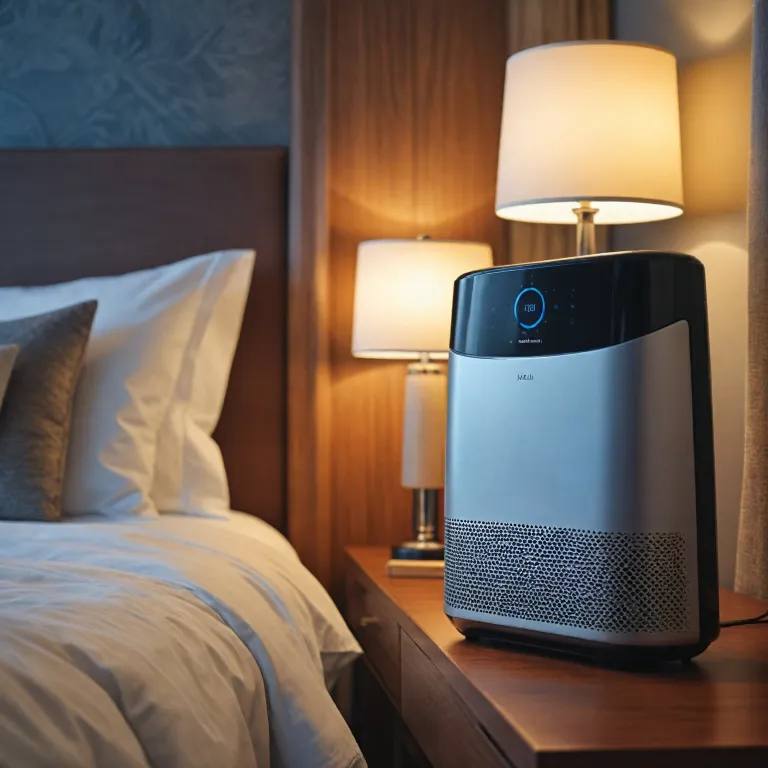
For upscale hotels and resorts, the guest experience is shaped as much by silence and aesthetics as by technical performance. Air purifiers must therefore combine quiet operation with discreet design, ensuring that guest rooms remain calm, elegant spaces for rest and wellness. Excessive noise or intrusive wall mounted units can undermine perceived quality and reduce the value of investments in air purification.
Hotel managers should evaluate each air purifier model not only for air quality metrics but also for acoustic performance at different fan levels. In practice, quiet operation at night mode is essential to protect sleep quality for every guest, especially in urban hotels facing high outdoor air pollution. Some systems are specifically engineered for hotel air environments, balancing clean air delivery with low decibel outputs suitable for luxury rooms.
Design integration also matters in lobbies, restaurants, and spa areas where guests expect a coherent visual identity. Wall mounted or concealed commercial air systems can maintain indoor air quality without cluttering spaces with visible devices or disruptive images of industrial equipment. This supports wellness branding, as guests associate fresh, odour free air with high quality hospitality and attentive management.
From an ESG and asset value perspective, hotels that invest in guest centric air purification can align these choices with broader sustainability initiatives such as solar powered outdoor shading and energy optimisation. Together, these measures reinforce a narrative where wellness, pollution control, and environmental responsibility are inseparable. For investors and public institutions, such integrated approaches to indoor air and overall quality management signal long term resilience.
Operational efficiency, maintenance, and ESG aligned procurement strategies
Operational teams must ensure that every air purifier and all air purifiers across the property remain effective over time, which requires disciplined maintenance and thoughtful procurement. Filters that protect indoor air and deliver clean air need scheduled replacement, clear labelling, and accessible components to avoid performance drops. When hotels neglect maintenance, air pollution can accumulate silently, undermining both public health and guest satisfaction.
Hotel management should therefore integrate air purification into preventive maintenance plans, with defined responsibilities, KPIs, and quality control checks. Centralised logs for each air purifier model, including service dates and filter changes, support audits and ESG disclosures. This structured approach to quality management also helps asset managers quantify the ROI of investments in commercial air systems.
Procurement strategies should prioritise manufacturers that provide transparent data, robust warranties, and support for quality monitoring integration. Consulting independent product datasheets, customer reviews, and at least one rigorous google study can help validate claims about air quality performance and energy efficiency. For multi property hotels, standardising on a limited set of air purifiers simplifies training, spare parts management, and pollution control procedures.
From an ESG perspective, selecting energy efficient systems with quiet operation reduces both emissions and noise pollution, aligning with broader sustainability goals. Public health considerations should be explicitly referenced in procurement criteria, linking air quality to staff wellness and reduced absenteeism. When hotels treat air purification as a strategic asset rather than a commodity, they strengthen their position with investors, auditors, and public authorities.
Communicating air quality commitments to guests, investors, and regulators
Even the most advanced air purifiers deliver limited value if stakeholders remain unaware of the hotel’s efforts to protect indoor air. Transparent communication about air quality initiatives can enhance guest trust, support ESG ratings, and reassure regulators about pollution control. For hotel managers, the features hotel managers should look for in air purifiers therefore include not only technical capabilities but also communicable benefits.
In guest rooms, discreet signage or digital images on in room tablets can explain how the air purifier or integrated systems contribute to clean air and wellness. Clear language about air quality monitoring, filter technology, and quiet operation helps each guest understand the link between hotel air and their own health. This is particularly relevant for sensitive groups, such as families, older travellers, or guests with respiratory conditions.
For investors and asset managers, ESG reports should highlight how quality management frameworks incorporate indoor air, quality control, and real time data. Presenting metrics on air quality levels, maintenance compliance, and reductions in air pollution demonstrates tangible progress rather than generic sustainability claims. These narratives can be reinforced with references to independent google study findings on the impact of indoor air on public health and hospitality performance.
Regulators and public institutions increasingly expect hotels to manage indoor air as part of broader public health responsibilities. By documenting how commercial air systems, wall mounted units, and guest rooms solutions work together, hotels can show that pollution control is systematic. Ultimately, aligning communication with robust technical choices around air purifiers and quality air systems strengthens credibility across all stakeholder groups.
Key quantitative insights on hotel air purification and performance
- HEPA based air purifiers can remove 99.97 % of airborne particles down to 0.3 microns, significantly improving indoor air quality in guest rooms and public areas.
- For effective air purification, systems should renew the air in a typical hotel room at least three times per hour, with five cycles per hour recommended for higher risk environments.
- Multi stage filtration that combines HEPA and activated carbon can reduce both particulate air pollution and odours, enhancing perceived quality air for every hotel guest.
- Smart air quality monitoring in real time enables hotels to maintain stable indoor air levels while optimising energy use and operational costs.
Frequently asked questions on air purifiers in sustainable hotels
What is the importance of HEPA filters in air purifiers ?
HEPA filters can capture 99.97% of airborne particles as small as 0.3 microns, effectively removing dust, pollen, and other allergens.
How often should air purifiers cycle the air in a hotel room ?
For optimal air quality, air purifiers should cycle through all the air in a room three to five times per hour.
What additional features should hotel managers consider in air purifiers ?
Features such as activated carbon filters for odor removal, quiet operation, energy efficiency, and smart controls for remote monitoring are beneficial.
How can hotels integrate air purification into ESG and compliance strategies ?
Hotels can integrate air purification into ESG and compliance strategies by defining indoor air targets, implementing quality monitoring, and documenting maintenance and performance data for audits and reporting.
Why is quiet operation critical for air purifiers in guest rooms ?
Quiet operation is critical because excessive noise can disturb sleep, reduce guest satisfaction, and undermine the perceived quality of wellness oriented hotel stays.