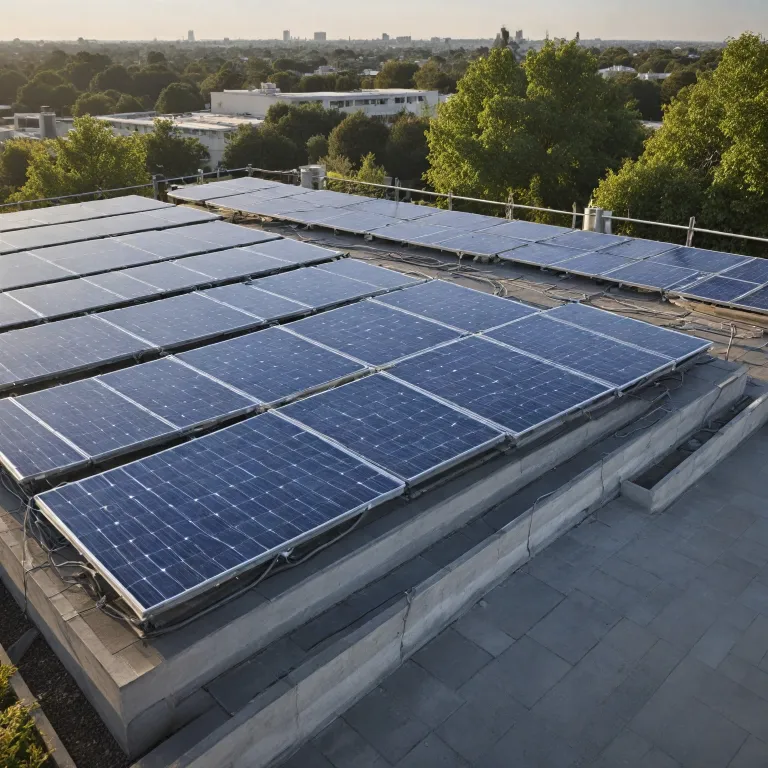
Strategic role of solar panel electrical connectors in hotel ESG agendas
For hotel leadership, the humble solar panel electrical connectors often look like a minor technical detail. Yet these small components shape the reliability, safety and ESG credibility of every solar panel and every photovoltaic system installed on a property. In a sector under intense scrutiny, the quality of each connector and of all related connectors solar choices can materially influence risk, asset value and stakeholder trust.
General managers and ESG officers increasingly ask how a connector or a set of panel connectors can affect audit outcomes. The answer lies in the integrity of each electrical connection, the robustness of every locking mechanism and the traceability of the entire solar array architecture. When investors compare hotel portfolios, they now examine not only solar panels capacity and price per kilowatt, but also the conformity of solar connectors and the safety class of each connection system.
For compliance teams, the shift from legacy MC3 connector models to modern MC4 solar connector solutions is more than a technical upgrade. It represents a governance decision that reduces operational risk, aligns with international electrical codes and supports long term decarbonisation pathways. Asset managers who add solar panel projects to their cart of capex priorities must therefore request full technical details on each panel connector, each solar wire specification and the associated crimping tool procedures used by contractors.
From MC3 to MC4: compliance, safety class and hotel risk management
The hospitality industry learned that an electrical connector without a secure locking mechanism can become a material risk. MC3 connectors, which lacked such a mechanism, illustrated how a single connector design can undermine safety class targets and long term ESG narratives. As a result, MC3 connector models were progressively phased out in favour of MC4 solar connectors with higher current ratings and more reliable plug lock features.
For hotel portfolios, this evolution in panel connectors technology has direct implications for insurance, audits and regulatory inspections. MC4 solar connector designs, developed by Multi-Contact (now Stäubli Electrical Connectors), introduced a robust locking system that prevents accidental disconnection under vibration, wind or maintenance errors. When compliance officers compare properties, they increasingly check whether each solar panel and all solar panels in a group use compatible connectors male and female that respect the declared safety class and current limits.
Conference agendas on hospitality ESG now routinely include sessions on solar array design and connector selection. When planning attendance at specialised hospitality conferences on sustainability and compliance, such as those focused on advancing ESG and conformity in the hotel industry, leadership teams should ensure that technical staff join discussions on connector standards and electrical system governance. This shared understanding helps RSE managers, investors and auditors align on acceptable connector types solar, on required crimping tool protocols and on the documentation needed to validate every electrical connection in a multi asset portfolio.
Designing compliant solar array architectures for hotel rooftops and facades
Designing a hotel solar array is no longer a purely engineering exercise, because ESG and conformity requirements now shape every design decision. The choice between series parallel configurations, the selection of each solar connector and the routing of every solar wire must align with both performance targets and regulatory expectations. When teams compare design options, they must evaluate not only yield and price, but also the resilience of each connection system and the auditability of all connectors solar deployed on site.
In practice, this means specifying panel connectors that support the required current and voltage while maintaining a clear safety class margin. MC4 solar connectors rated up to 1500 V DC enable longer series strings, which can reduce cable runs and simplify the overall mechanism of the installation. However, compliance officers must ensure that branch connectors, panel connector junctions and every connector in the series parallel layout remain within the certified current limits for the selected awg of copper tin conductors.
Strategic ESG roadmaps increasingly integrate guidance on how series or parallel solar panel arrays reshape hotel decarbonisation strategies and risk profiles. Technical annexes should describe the exact types solar connectors used, the crimping tool models approved and the procedures for verifying each electrical connection during commissioning. By embedding these details into governance documents, hotel groups give auditors, investors and public institutions confidence that every solar panel and all associated connectors male and female are managed within a robust compliance framework.
Procurement, price transparency and technical specifications for hotel portfolios
Procurement teams in hotel groups often focus on headline price per watt when negotiating solar panels contracts. For ESG aligned decision making, they must go deeper into the bill of materials and examine each solar panel electrical connectors specification, each cable assembly and every connection mechanism proposed by suppliers. A structured approach to compare offers should therefore include line items for solar connectors, panel connectors, branch connectors and the associated crimping tool kits.
When buyers add solutions to their digital cart or to internal capex lists, they should request detailed datasheets for every connector and for all connectors solar variants included in the proposal. These details must cover current ratings, voltage limits, awg compatibility, safety class, locking mechanism design and the type of copper tin contacts used. Procurement policies should also require that any solar connector or panel connector supplied is fully compatible with existing solar wire infrastructure and with the multi contact standards already deployed across the portfolio.
For asset managers, the ability to select options transparently and to add cart items based on robust technical criteria supports better lifecycle performance. Contracts should specify how many spare solar connectors and panel connectors are delivered, which crimping tool models are approved and how plug lock mechanisms will be tested during handover. By integrating these requirements into procurement templates, hotel groups ensure that every solar panel, every solar array and every electrical connection contributes positively to long term ESG, risk and financial objectives.
Operations, maintenance and audit ready documentation for connectors solar
Once solar panels are installed, the operational phase becomes critical for sustaining ESG performance and regulatory conformity. Maintenance teams must understand how each connector, each set of panel connectors and every branch connectors assembly behaves under real hotel operating conditions. Clear procedures for inspecting every electrical connection, verifying each locking mechanism and checking the integrity of all connectors male and female are essential.
Hotel engineering teams should maintain a structured register of all solar connectors installed on each property. This register needs to include technical details such as connector type, awg compatible cables, current rating, safety class and the specific crimping tool used during installation. When auditors or public institutions request evidence, this documentation allows compliance officers to compare declared specifications with on site reality and to demonstrate that every solar connector and every panel connector meets the required standards.
Operational guidelines must also address how to safely disconnect and reconnect solar wire assemblies when replacing a solar panel or reconfiguring a solar array. Only trained staff using the correct tool for each plug lock and locking mechanism should perform such tasks, ensuring that copper tin contacts are not damaged and that the connection system remains watertight. By embedding these practices into standard operating procedures, hotel groups align day to day maintenance with ESG commitments, risk controls and long term asset protection.
Integrating connectors into ESG reporting, hybrid systems and strategic planning
For many hotel groups, hybrid solar systems that combine solar panels with storage or backup generation are becoming central to ESG strategies. In these architectures, the reliability of every solar panel electrical connectors assembly and of each connection system directly affects resilience, emissions reductions and guest experience. Strategic ESG planning must therefore treat each connector, each set of panel connectors and every branch connectors configuration as part of the critical infrastructure of the property.
When reporting to investors and public institutions, RSE and ESG managers should include narrative and quantitative indicators related to solar connectors and overall electrical safety. This can cover the proportion of installations using MC4 compliant solar connector solutions, the number of properties with documented crimping tool procedures and the share of solar wire runs verified against awg and current specifications. Integrating such metrics into ESG dashboards helps leadership compare properties, prioritise upgrades and justify capex to add cart items that enhance safety class and long term performance.
In multi asset portfolios, strategic documents on hybrid solar systems as a lever for ESG compliance should explicitly reference connector governance. They can outline how types solar connectors are selected, how plug lock mechanisms are tested and how copper tin contacts are inspected during periodic reviews. By elevating connectors solar from a hidden technical detail to a visible governance topic, hotel groups strengthen credibility, align with best practice and ensure that every solar panel and every solar array supports their long term sustainability narrative.
Key quantitative statistics on solar panel electrical connectors
- MC4 connectors are rated for up to 1500 V DC, allowing for longer series strings in photovoltaic systems.
- MC4 connectors can handle current ratings up to 95 A, supporting higher power hotel rooftop arrays.
- MC3 connectors were typically limited to 1000 V DC and around 30 A, which constrained older system designs.
- The transition from MC3 to MC4 connectors significantly reduced accidental disconnection risks thanks to improved locking mechanisms.
Frequently asked questions on solar panel electrical connectors in hotels
What are MC4 connectors?
MC4 connectors are electrical connectors commonly used for connecting solar panels, featuring a 4 mm diameter contact pin and a locking mechanism to prevent accidental disconnections.
Why were MC3 connectors discontinued?
MC3 connectors lacked a locking mechanism, leading to safety concerns and their eventual discontinuation in favor of the more secure MC4 connectors.
How do solar panel electrical connectors affect hotel ESG performance?
They influence safety, reliability and regulatory conformity, which in turn affect risk assessments, insurance conditions and the credibility of decarbonisation claims in ESG reporting.
What should hotel asset managers check when reviewing connector specifications?
They should verify voltage and current ratings, safety class, awg compatibility, locking mechanisms, copper tin contact quality and full documentation of crimping tool procedures.
How often should connectors be inspected in operating hotel solar arrays?
Visual and mechanical checks should be integrated into routine maintenance cycles, with more detailed inspections scheduled annually or after extreme weather or major rooftop works.